


Title: The Perfect Fit: Choosing the Right Instruments for Electric Wind Performances
Introduction: The world of music is ever-evolving, and the introduction of electric wind instruments has opened up a new realm of possibilities for musicians. These innovative tools blend the traditional techniques of wind playing with the modern capabilities of electronic sound production. But not all instruments are created equal when it comes to the electric wind genre. This article will explore the types of instruments that are particularly well-suited for playing electric wind instruments, considering factors such as versatility, playability, and the unique characteristics they bring to the electronic music landscape.
1. Electric Flutes:
Versatility: Electric flutes are highly versatile, offering a wide range of tonal colors and the ability to produce sounds that traditional flutes cannot.
Ease of Play: They are relatively easy to play for those familiar with traditional flutes, making the transition smooth.
Electronic Capabilities: Many electric flutes come with built-in effects and the ability to connect to external sound modules, offering extensive sound manipulation options.
2. Electronic Saxophones:
Expressive Range: Electronic saxophones maintain the expressive range and soulful quality of their acoustic counterparts while adding a layer of electronic possibilities.
Technique Transfer: Saxophonists can transfer their existing skills and techniques to the electronic version with minimal adjustments.
Sound Design: These instruments often feature a wide array of built-in sounds and effects, allowing for extensive sound design and experimentation.
3. Electric Trumpets:
Powerful Tone: Electric trumpets can produce a powerful and cutting tone that is well-suited for both live performances and studio recordings.
Dynamic Control: They offer the same level of dynamic control as traditional trumpets, which is crucial for expressive playing.
Versatility in Genres: Electric trumpets are versatile across various music genres, from jazz and rock to electronic and experimental music.
4. Electronic Clarinets:
Tonal Variety: Electronic clarinets can replicate the warm, rich tones of traditional clarinets and extend into synthetic soundscapes.
Ease of Use: The familiar layout and playing technique of the clarinet make it an accessible choice for musicians looking to explore electronic wind instruments.
Connectivity: Many electronic clarinets offer advanced connectivity options, allowing for integration with music production software and live performance rigs.
5. EWI (Electronic Wind Instruments):
Innovation: The EWI is a unique instrument designed specifically for electronic music, offering unparalleled control over sound synthesis and expression.
Customizability: With the ability to program and customize sound banks, the EWI is ideal for musicians seeking to create their own unique sounds.
Performance Tools: EWIs often come equipped with performance controls such as pitch bend, modulation, and breath control, providing a high level of expressiveness.
6. Electronic Oboes:
Sensitivity: Electronic oboes can capture the delicate and sensitive nature of the traditional oboe while offering enhanced control over articulation and dynamics.
Unique Sounds: They provide access to a range of unique sounds that can add depth and texture to electronic music compositions.
Compatibility: Electronic oboes are compatible with a wide range of music styles, from classical to contemporary.
7. Hybrid Instruments:
Blend of Acoustic and Electronic: Hybrid instruments combine the best of both worlds, offering the natural sound of an acoustic instrument with the flexibility of electronic sound manipulation.
Versatility: These instruments are particularly well-suited for musicians who want to maintain a connection with traditional sounds while exploring electronic music.
Adaptability: Hybrid instruments are adaptable to various performance settings, from intimate solo performances to large-scale productions.
Conclusion: Choosing the right electric wind instrument is a personal decision that depends on your musical goals, playing style, and the specific sounds you wish to achieve. Each instrument type offers unique advantages and characteristics that can enrich your performances and compositions. By considering the versatility, playability, and electronic capabilities of each option, you can find the perfect instrument to suit your needs and enhance your electric wind performances.
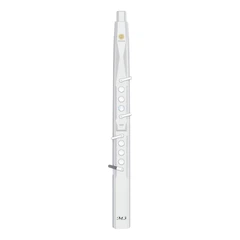
Brand Name: SUNRISE MELODY
Model: XR3000
Timbre: 60 types
Five octaves metal roller
Bluetooth connection
4 fingering modes available to select


