
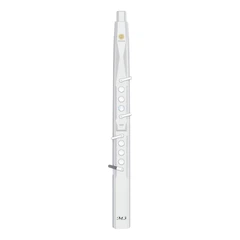


The electric alto saxophone is a unique and exciting instrument that combines the traditional sound of the saxophone with modern electronic technology. Whether you are a beginner or an experienced musician, there are several important things to keep in mind when practicing the electric alto saxophone. In this article, we will explore some of the key considerations for practicing this instrument effectively.
I. Understanding the Instrument
Before you begin practicing the electric alto saxophone, it is essential to have a good understanding of the instrument itself. Familiarize yourself with its features, controls, and capabilities. Here are some important aspects to consider:
Sound Generation: The electric alto saxophone produces sound through electronic means, rather than relying on traditional acoustic methods. Understand how the instrument generates sound and how to adjust the various settings to achieve the desired tone.
Controls and Functions: Learn about the different controls and functions on the instrument, such as volume, tone, effects, and MIDI connectivity. These features can greatly enhance your playing experience and allow for more creative expression.
Maintenance and Care: Just like any other musical instrument, the electric alto saxophone requires proper maintenance and care. Keep it clean, store it in a safe place, and follow the manufacturer's instructions for maintenance and troubleshooting.
II. Posture and Ergonomics
Maintaining proper posture and ergonomics is crucial for playing any musical instrument, and the electric alto saxophone is no exception. Here are some tips to help you maintain a comfortable and efficient playing position:
Standing Posture: If you are playing while standing, make sure to stand with your feet shoulder-width apart and your weight evenly distributed. Keep your back straight and your shoulders relaxed. Avoid slouching or hunching over, as this can lead to muscle strain and discomfort.
Sitting Posture: When playing while sitting, choose a chair with good back support and adjust the height so that your feet are flat on the floor. Sit up straight and keep your elbows at a comfortable angle. Avoid crossing your legs or slouching in the chair.
Hand Position: Hold the electric alto saxophone in a way that is comfortable and natural for you. Keep your fingers relaxed and curved, and use your thumb to support the instrument. Avoid gripping the instrument too tightly, as this can cause tension and affect your playing.
III. Breathing and Breath Control
Proper breathing and breath control are essential for playing the electric alto saxophone effectively. Here are some tips to help you develop good breathing habits:
Deep Breathing: Practice deep breathing exercises to expand your lung capacity and improve your breath control. Take slow, deep breaths in through your nose and fill your lungs completely. Hold your breath for a few seconds and then exhale slowly through your mouth.
Breath Support: Use your diaphragm to support your breath when playing. Contract your abdominal muscles to push air out of your lungs and maintain a steady stream of air. Avoid using your chest muscles to breathe, as this can lead to shallow breathing and a weak sound.
Breathing Rhythm: Develop a consistent breathing rhythm that works for you. Experiment with different breathing patterns and find one that allows you to play smoothly and continuously without running out of breath.
IV. Finger Technique
Developing good finger technique is essential for playing the electric alto saxophone with precision and speed. Here are some tips to help you improve your finger dexterity:
Finger Placement: Make sure your fingers are placed correctly on the keys of the instrument. Use the pads of your fingers to press the keys down firmly and evenly. Avoid using excessive force or tension, as this can lead to fatigue and mistakes.
Finger Independence: Practice exercises that focus on developing finger independence. For example, play scales or arpeggios using only one finger at a time, then gradually add more fingers. This helps to improve your coordination and control.
Speed and Accuracy: Work on improving your speed and accuracy by playing technical exercises and patterns. Use a metronome to gradually increase the tempo as you become more comfortable. Focus on playing cleanly and accurately, without making mistakes.
V. Tone Production
Producing a good tone is one of the most important aspects of playing any musical instrument, and the electric alto saxophone is no exception. Here are some tips to help you develop a rich and expressive tone:
Mouthpiece and Reed Selection: Choose a mouthpiece and reed that are suitable for your playing style and skill level. Experiment with different combinations to find the one that gives you the best sound.
Embouchure: Develop a good embouchure by forming your lips and mouth correctly around the mouthpiece. Use a relaxed but firm grip and adjust the pressure as needed. Experiment with different embouchure settings to find the one that gives you the best tone and response.
Vibrato: Learn to use vibrato to add warmth and expression to your tone. Vibrato is created by subtly varying the pitch of the note by using your breath and lip muscles. Practice different types of vibrato, such as wide vibrato and narrow vibrato, to find the one that suits your playing style.
VI. Practice Routine
Establishing a regular practice routine is essential for improving your skills on the electric alto saxophone. Here are some tips to help you create an effective practice routine:
Set Goals: Set specific goals for each practice session. This could be learning a new song, improving a particular technique, or working on your tone production. Having clear goals will help you stay focused and motivated.
Warm-Up Exercises: Start each practice session with warm-up exercises to loosen up your fingers, breath, and embouchure. This could include playing long tones, scales, and arpeggios.
Technical Exercises: Incorporate technical exercises into your practice routine to improve your finger technique, breath control, and tone production. These could include exercises such as chromatic scales, interval studies, and tonguing exercises.
Repertoire Practice: Spend time practicing songs and pieces that you enjoy playing. This will help you develop your musicality and expression. Choose a variety of styles and genres to expand your musical horizons.
Recording and Listening: Record yourself playing and listen back to your performances. This will help you identify areas where you need improvement and allow you to track your progress over time.
Take Breaks: Don't practice for too long without taking breaks. Give yourself time to rest and relax between practice sessions to avoid burnout and muscle strain.
VII. Learning Resources
There are many resources available to help you learn and improve your skills on the electric alto saxophone. Here are some suggestions:
Online Tutorials: There are many online tutorials and videos available that can teach you the basics of playing the electric alto saxophone. Look for tutorials that are specifically designed for beginners or that focus on the techniques and skills that you want to improve.
Books and Method Books: There are several books and method books available that can help you learn the fundamentals of saxophone playing. Look for books that are written by experienced musicians and educators and that include exercises, songs, and tips for improvement.
Private Lessons: Consider taking private lessons with a qualified saxophone teacher. A teacher can provide personalized instruction and feedback, help you correct mistakes, and guide you in your musical development.
Practice Apps: There are several practice apps available that can help you improve your skills on the electric alto saxophone. These apps often include features such as metronomes, tuners, and practice exercises.
VIII. Performance Opportunities
Finally, seek out performance opportunities to showcase your skills and gain confidence as a musician. Here are some suggestions:
Join a Band or Ensemble: Joining a band or ensemble is a great way to practice playing with others and gain performance experience. Look for local bands or ensembles that are looking for saxophone players.
Perform at Open Mics: Open mic nights are a great opportunity to perform in front of an audience and get feedback on your playing. Look for open mic events in your area and sign up to perform.
Record and Share Your Music: Record your performances and share them on social media or music sharing platforms. This will allow you to reach a wider audience and get feedback from other musicians.
In conclusion, practicing the electric alto saxophone requires dedication, patience, and a willingness to learn. By understanding the instrument, maintaining proper posture and ergonomics, developing good breathing and finger technique, producing a good tone, establishing a regular practice routine, using learning resources, and seeking out performance opportunities, you can improve your skills and become a better musician. Remember to have fun and enjoy the process of learning and playing this unique and exciting instrument.
SUNRISE MELODY M1 Electronic Wind Instrument
. Revisit the passion and dreams of youth
. M1 electric clarinet wind instrument -- The good news for beginners
. Rich and diverse timbres
. Powerful functions and easy operation
. Perfect after-sales service


