

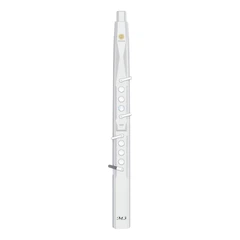

Basic practice of ewi saxophone.
The electric wind instrument (EWI) saxophone is a unique and exciting musical instrument that combines traditional saxophone playing techniques with advanced electronic technology. Whether you are a beginner or an experienced musician looking to expand your skills, mastering the basics of EWI saxophone playing is essential. In this article, we will explore the fundamental aspects of EWI saxophone practice and provide tips and techniques to help you improve your playing.
I. Understanding the EWI Saxophone
Before delving into the practice routine, it is important to have a basic understanding of the EWI saxophone. The EWI saxophone is an electronic instrument that uses a wind controller to produce sound. The wind controller is designed to mimic the feel and response of a traditional saxophone, allowing players to use their breath and fingering techniques to create music.
The EWI saxophone offers a wide range of sounds and effects, making it a versatile instrument for various musical genres. It can produce sounds similar to a traditional saxophone, as well as a variety of synthesized and electronic tones. Additionally, the EWI saxophone often comes with features such as pitch bend, modulation, and expression controls, allowing players to add nuance and expression to their playing.
II. Setting Up Your EWI Saxophone
Once you have familiarized yourself with the EWI saxophone, the next step is to set it up properly. Here are some important considerations when setting up your instrument:
Connectivity: Connect your EWI saxophone to an amplifier or sound system using the appropriate cables. Make sure the connections are secure and that the volume levels are adjusted appropriately.
Mouthpiece and reed: Choose a mouthpiece and reed that are suitable for your playing style and skill level. Experiment with different combinations to find the one that gives you the best sound and response.
Breath control settings: Adjust the breath control settings on your EWI saxophone to match your playing style. Some players prefer a more sensitive breath response, while others may prefer a less sensitive setting. Experiment with different settings to find what works best for you.
Fingerings and key layout: Familiarize yourself with the fingerings and key layout of the EWI saxophone. Although it is similar to a traditional saxophone, there may be some differences in the way the keys are arranged and the fingerings are used. Take some time to practice the basic fingerings and get comfortable with the instrument.
III. Warm-Up Exercises
Just like any other musical instrument, it is important to warm up before playing the EWI saxophone. Warm-up exercises help to loosen up your muscles, improve your breath control, and prepare your mind and body for playing. Here are some warm-up exercises you can do:
Long tones: Play long, sustained notes on your EWI saxophone. Focus on producing a smooth, consistent tone and maintaining good breath support. Start on a low note and gradually move up the scale, playing long tones on each note.
Lip slurs: Play smooth glissandos between different notes without using the tongue. This helps to improve your lip flexibility and control. Start on a low note and gradually slide up to a higher note, then back down again. Repeat this exercise several times.
Scales and arpeggios: Play scales and arpeggios on your EWI saxophone to warm up your fingers and improve your technique. Start with simple major and minor scales and gradually progress to more complex scales and arpeggios. Use a metronome to keep a steady tempo.
Breath control exercises: Practice deep breathing exercises to improve your lung capacity and breath control. Take slow, deep breaths in through your nose and exhale slowly through your mouth. Hold your breath for a few seconds and then release it slowly. Repeat this exercise several times.
IV. Finger Technique
Developing good finger technique is essential for playing the EWI saxophone. Here are some tips and exercises to help you improve your finger technique:
Finger placement: Make sure your fingers are placed correctly on the keys of the EWI saxophone. Use the pads of your fingers to press the keys down firmly and evenly. Avoid using excessive force or tension, as this can lead to fatigue and mistakes.
Finger independence: Practice exercises that focus on developing finger independence. For example, play scales or arpeggios using only one finger at a time, then gradually add more fingers. This helps to improve your coordination and control.
Speed and accuracy: Work on improving your speed and accuracy by playing technical exercises and patterns. Use a metronome to gradually increase the tempo as you become more comfortable. Focus on playing cleanly and accurately, without making mistakes.
Alternate fingerings: Learn alternate fingerings for different notes and intervals. This can help you play more smoothly and efficiently, especially when playing fast passages or complex music. Experiment with different fingerings and find the ones that work best for you.
V. Breath Control
Breath control is one of the most important aspects of playing the EWI saxophone. Good breath control allows you to produce a full, rich sound and add expression and nuance to your playing. Here are some tips and exercises to help you improve your breath control:
Deep breathing: Practice deep breathing exercises to increase your lung capacity. Take slow, deep breaths in through your nose and fill your lungs completely. Hold your breath for a few seconds and then exhale slowly through your mouth. Repeat this exercise several times.
Breath support: Use your diaphragm to support your breath when playing the EWI saxophone. Contract your abdominal muscles to push air out of your lungs and maintain a steady stream of air. Avoid using your chest muscles to breathe, as this can lead to shallow breathing and a weak sound.
Breath control exercises: Practice exercises that focus on controlling the flow of air. For example, play long tones and gradually increase or decrease the volume by controlling your breath. Play staccato notes by cutting off the air quickly with your tongue and diaphragm.
Expression and dynamics: Use your breath control to add expression and dynamics to your playing. Play soft, delicate passages by using less air and a lighter touch. Play loud, powerful passages by using more air and a stronger breath. Experiment with different levels of volume and intensity to create a wide range of expressions.
VI. Tone Production
Producing a good tone is essential for playing the EWI saxophone. Here are some tips and techniques to help you improve your tone production:
Mouthpiece and reed selection: Choose a mouthpiece and reed that are suitable for your playing style and skill level. Experiment with different combinations to find the one that gives you the best sound. Consider factors such as the size, shape, and material of the mouthpiece and reed.
Embouchure: Develop a good embouchure by forming your lips and mouth correctly around the mouthpiece. Use a relaxed but firm grip and adjust the pressure as needed. Experiment with different embouchure settings to find the one that gives you the best tone and response.
Vibrato: Learn to use vibrato to add warmth and expression to your tone. Vibrato is created by subtly varying the pitch of the note by using your breath and lip muscles. Practice different types of vibrato, such as wide vibrato and narrow vibrato, to find the one that suits your playing style.
Tone color: Experiment with different tone colors by adjusting the settings on your EWI saxophone. Use the pitch bend, modulation, and expression controls to add nuances and colors to your sound. Play with different effects and filters to create unique and interesting tones.
VII. Musicality and Interpretation
In addition to technical skills, musicality and interpretation are also important aspects of playing the EWI saxophone. Here are some tips to help you develop your musicality:
Listen to music: Listen to a wide variety of music, including different genres and styles. Pay attention to the tone, phrasing, and expression of the musicians. Analyze what makes a particular performance great and try to incorporate those elements into your own playing.
Practice with a metronome: Use a metronome to practice playing in time and with a steady tempo. This helps to improve your rhythm and timing, which are essential for musicality. Experiment with different tempos and rhythms to develop your sense of groove and feel.
Play with emotion: Put emotion and feeling into your playing. Let the music speak to you and express your own emotions through your playing. Use dynamics, phrasing, and expression to create a captivating performance.
Study music theory: Learn the basics of music theory, such as scales, chords, and harmony. This helps you understand the structure of music and allows you to make more informed musical decisions. Study different musical styles and learn how to play in different genres.
VIII. Practice Routine
Finally, it is important to establish a regular practice routine to improve your EWI saxophone playing. Here is an example of a practice routine that you can follow:
Warm-up exercises (10-15 minutes): Start with long tones, lip slurs, scales, and arpeggios to warm up your body and instrument.
Finger technique exercises (15-20 minutes): Practice exercises that focus on developing finger independence, speed, and accuracy. Use a metronome to keep a steady tempo.
Breath control exercises (15-20 minutes): Practice deep breathing exercises and exercises that focus on controlling the flow of air. Use your diaphragm to support your breath and add expression to your playing.
Tone production exercises (15-20 minutes): Experiment with different mouthpiece and reed combinations, embouchure settings, and vibrato techniques to improve your tone production.
Musicality and interpretation exercises (15-20 minutes): Listen to music, practice playing with emotion, and study music theory to develop your musicality.
Play along with recordings or backing tracks (15-20 minutes): Play along with recordings or backing tracks to improve your timing and feel. This also helps you learn different musical styles and genres.
Cool down (5-10 minutes): End your practice session with some gentle long tones and breathing exercises to relax your body and instrument.
Remember, consistency is key when it comes to practice. Try to practice regularly and set achievable goals for yourself. Keep a practice journal to track your progress and note any areas that need improvement. With dedication and perseverance, you can master the basics of EWI saxophone playing and take your musical skills to the next level.
SUNRISE MELODY M1 Electronic Wind Instrument
. Revisit the passion and dreams of youth
. M1 electric clarinet wind instrument -- The good news for beginners
. Rich and diverse timbres
. Powerful functions and easy operation
. Perfect after-sales service
