

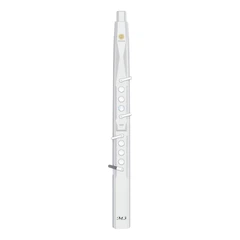

《Considerations When Improving EWI Playing Techniques》
The Electronic Wind Instrument (EWI) is a remarkable musical tool that offers a wide range of possibilities for musicians. As one endeavors to improve their EWI playing techniques, several important factors need to be taken into account.
I. Understanding the Instrument's Capabilities
A. Know Your EWI Model
Different EWI models have unique features and capabilities. Familiarize yourself with the specific functions and settings of your instrument. Some models may have advanced controls for pitch bend, modulation, and effects that can greatly enhance your playing. Take the time to read the user manual and explore all the options available to you.
B. Explore Sound Libraries
Most EWIs come with pre-installed sound libraries or the ability to load additional ones. Understanding the different sounds available and how they respond to your playing is crucial. Experiment with various instrument sounds to find ones that suit your musical style and the pieces you want to play. For example, a saxophone sound might be ideal for jazz pieces, while a flute sound could be perfect for classical music.
C. Learn About Connectivity Options
Some EWIs can be connected to computers, tablets, or other devices for additional functionality. This might include using music software for recording, editing, or playing along with backing tracks. Familiarize yourself with the connectivity options of your EWI and explore how they can enhance your practice and performance.
II. Breath Control and Technique
A. Develop a Consistent Breath Flow
Breath control is essential for playing the EWI. A consistent breath flow helps maintain a steady tone and volume. Practice breathing exercises to develop control and endurance. Start by taking deep breaths and exhaling slowly, focusing on maintaining a smooth and even flow of air. As you play, pay attention to your breathing and make adjustments as needed to keep the sound consistent.
B. Use Breath Dynamics for Expression
Varying your breath pressure can add expression to your playing. Soft breaths can create a delicate and gentle sound, while stronger breaths can produce a more powerful and intense tone. Experiment with different breath dynamics to bring out the emotion in the music. For example, use a crescendo by gradually increasing your breath pressure for a more dramatic effect.
C. Avoid Overblowing or Underblowing
Overblowing can result in a harsh and distorted sound, while underblowing can make the tone weak and unstable. Find the right balance of breath pressure for each sound and note. Listen carefully to your playing and adjust your breath as needed to achieve the desired tone. Practice playing with different levels of breath pressure to get a feel for the optimal range.
III. Finger Technique and Dexterity
A. Practice Regular Finger Exercises
Developing finger dexterity is crucial for playing the EWI accurately and smoothly. Practice finger exercises such as scales, arpeggios, and chromatic runs to improve your speed and precision. Start slowly and gradually increase the tempo as you become more comfortable. Use a metronome to keep a steady rhythm and ensure evenness in your playing.
B. Work on Finger Independence
Each finger on the EWI should be able to move independently for complex melodies and chords. Practice exercises that focus on individual finger movement and coordination. For example, play a series of notes using only one finger at a time, then gradually add more fingers and combinations. This will help you develop the dexterity needed to play challenging passages.
C. Pay Attention to Finger Placement
Proper finger placement is essential for accurate playing. Make sure your fingers are positioned correctly on the keys or buttons to avoid accidental notes or muffled sounds. Take the time to familiarize yourself with the layout of your EWI and practice playing with correct finger placement. This will improve the clarity and quality of your playing.
IV. Musical Expression and Creativity
A. Listen to a Variety of Music
Exposing yourself to different styles of music can inspire creativity and expand your musical vocabulary. Listen to jazz, classical, rock, and other genres to learn new techniques and styles of expression. Pay attention to the phrasing, dynamics, and articulation used by different musicians and try to incorporate these elements into your own playing.
B. Experiment with Effects and Processing
Many EWIs come with built-in effects such as reverb, delay, and distortion. Experiment with these effects to add depth and texture to your sound. However, be careful not to overuse effects, as they can sometimes overpower the music. Use effects sparingly and tastefully to enhance the musical expression without detracting from the melody.
C. Develop Your Own Style
As you improve your EWI playing techniques, don't be afraid to develop your own unique style. Incorporate elements from different musical traditions and personal preferences to create a sound that is distinctly yours. Let your personality shine through in your playing and be open to experimentation and innovation.
V. Practice and Patience
A. Set Realistic Goals
Improving EWI playing techniques takes time and effort. Set realistic goals for yourself and break them down into smaller, achievable steps. For example, you might aim to learn a new song or master a particular technique within a certain time frame. Having clear goals will keep you motivated and focused on your progress.
B. Practice Regularly and Consistently
Consistent practice is key to improving your skills. Set aside dedicated practice time each day or week and stick to it. Even short practice sessions can be beneficial if they are focused and productive. Avoid long periods of inactivity followed by intense practice sessions, as this can lead to burnout and frustration.
C. Be Patient with Yourself
Learning a new instrument or improving your playing techniques can be a challenging process. Don't get discouraged if you don't see immediate results. Be patient with yourself and celebrate small victories along the way. Remember that progress takes time and that every practice session is an opportunity to learn and grow.
In conclusion, improving EWI playing techniques requires a combination of understanding the instrument, mastering breath control and finger technique, developing musical expression and creativity, and consistent practice. By paying attention to these factors and approaching your practice with dedication and patience, you can enhance your skills and enjoy the many rewards of playing the EWI. Whether you are a beginner or an experienced musician, there is always room for improvement and growth on this exciting instrument.
SUNRISE MELODY M1 Electronic Wind Instrument
. Revisit the passion and dreams of youth
. M1 electric clarinet wind instrument -- The good news for beginners
. Rich and diverse timbres
. Powerful functions and easy operation
. Perfect after-sales service
