

What Problems Will You Encounter When Learning to Play Electric Wind Instruments?
Learning to play electric wind instruments can be an exciting and rewarding journey, but it also comes with its fair share of challenges. Here are some of the problems you might encounter along the way.
Technical Complexity
One of the major challenges is the technical complexity of electric wind instruments. Unlike traditional wind instruments that rely solely on breath control and finger technique, electric wind instruments incorporate advanced electronics and digital technology. This means you need to understand how to operate and troubleshoot various electronic components such as pickups, processors, and software interfaces.
For example, you might encounter issues with setting up the instrument's connections to external devices like amplifiers, speakers, or digital audio workstations. Understanding the different settings and parameters of the instrument's internal electronics can also be a daunting task. Dealing with potential software glitches or compatibility issues can add another layer of complexity.
Learning Curve for Electronic Features
The electronic features of electric wind instruments can present a significant learning curve. These instruments often come with a wide range of effects, pitch bending capabilities, and other digital enhancements. Learning how to use these features effectively requires time and practice.
For instance, mastering pitch bending might take some time as you need to develop a feel for the right amount of pressure and movement to achieve the desired pitch changes. Understanding how different effects like reverb, delay, and distortion can enhance or alter the sound of the instrument is also a skill that needs to be cultivated. You might find yourself spending a considerable amount of time experimenting with different settings to find the ones that work best for your playing style.
Dependence on Technology
Electric wind instruments are highly dependent on technology, which can be both a blessing and a curse. While the advanced features offer a wealth of creative possibilities, they also mean that you are at the mercy of technology. If there are power outages, equipment malfunctions, or software crashes, it can disrupt your practice or performance.
Moreover, you need to ensure that you have access to the necessary technology and know how to maintain and troubleshoot it. This includes having spare batteries or power supplies, knowing how to update software, and being able to diagnose and fix common hardware problems.
Lack of Traditional Instructional Resources
Compared to traditional wind instruments, there is a relatively limited amount of instructional resources available for electric wind instruments. Finding a qualified teacher who is experienced in teaching electric wind instruments can be difficult, especially in areas where these instruments are less common.
Books, videos, and online tutorials specifically focused on electric wind instruments are also scarce. This can make it challenging for beginners to learn the proper playing techniques, musical theory, and performance skills. You might have to rely on trial and error or seek out resources from related fields such as electronic music production or traditional wind instrument playing and adapt them to your needs.
Muscle Fatigue and Breath Control
Just like traditional wind instruments, playing electric wind instruments requires good breath control. However, the added weight and complexity of some electric wind instruments can cause muscle fatigue more quickly. The need to hold and manipulate the instrument while also controlling your breath can be physically demanding, especially for beginners.
You might also find it challenging to develop the right balance between breath pressure and finger technique. Too much breath pressure can lead to distorted sounds or damage to the instrument, while too little can result in weak and unexpressive playing. Finding the optimal breath control for different playing situations and styles takes time and practice.
Cost and Equipment Investment
Electric wind instruments can be relatively expensive compared to traditional wind instruments. In addition to the cost of the instrument itself, you might also need to invest in accessories such as amplifiers, speakers, cables, and software. This can be a significant financial burden, especially for beginners or those on a tight budget.
Moreover, as technology advances, there is always the risk that your equipment will become outdated or incompatible with new software and hardware. This means you might need to upgrade your equipment periodically, adding to the overall cost of learning and playing electric wind instruments.
In conclusion, learning to play electric wind instruments can be a fulfilling but challenging endeavor. From technical complexity and a steep learning curve for electronic features to dependence on technology and a lack of instructional resources, there are several obstacles to overcome. However, with patience, perseverance, and a willingness to explore and experiment, you can overcome these challenges and unlock the full potential of these unique instruments.
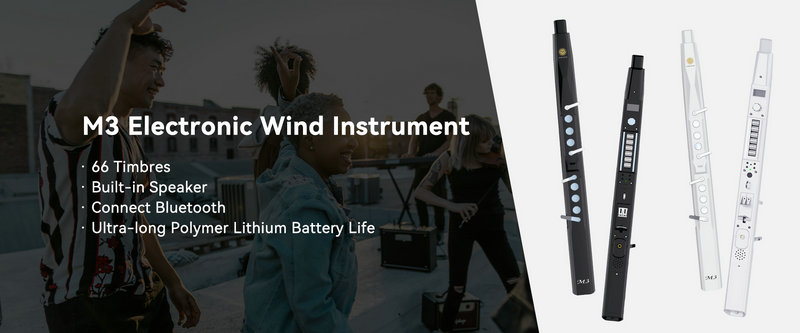
SUNRISE MELODY M3 Electronic Wind Instrument - The best-selling Electronic Wind Instrument
. 66 Timbres
. Built-in Speaker
. Connect Bluetooth
. Ultra-long Polymer Lithium Battery Life