


Introduction
The digital saxophone is a relatively new musical instrument that combines traditional saxophone playing techniques with digital technology. As more and more music educators and students become interested in digital saxophones, it is important to understand the unique challenges and considerations involved in teaching this instrument. This essay will explore the various issues that need to be noted in the teaching of digital saxophones.
I. Understanding the Instrument
Familiarity with Digital Technology
One of the first things to consider when teaching digital saxophones is the need for educators and students to have a basic understanding of digital technology. This includes knowledge of how to operate the instrument's digital features, such as sound synthesis, effects processing, and connectivity options. Teachers should be prepared to provide guidance and instruction on these aspects of the instrument to ensure that students can make the most of its capabilities.
Differences from Traditional Saxophones
Digital saxophones have some significant differences from traditional acoustic saxophones. For example, they may have different fingerings, tone production methods, and playing techniques. Educators should be aware of these differences and be able to adapt their teaching methods accordingly. They should also help students understand the unique characteristics of digital saxophones and how they can be used to create different musical effects.
II. Technical Skills and Proficiency
Instrument Setup and Maintenance
Proper setup and maintenance of digital saxophones is essential for optimal performance. Teachers should instruct students on how to assemble and disassemble the instrument, adjust the mouthpiece and reed, and maintain the instrument's digital components. They should also teach students how to troubleshoot common technical issues, such as connectivity problems or sound glitches.
Digital Skills and Software Usage
In addition to traditional saxophone playing skills, students learning digital saxophones also need to develop digital skills and proficiency in using software and other digital tools. This may include learning how to use music production software, digital audio workstations, and other applications that can be used in conjunction with the digital saxophone. Teachers should provide training and resources to help students develop these skills and ensure that they can use the instrument's digital features effectively.
III. Pedagogical Approaches
Individualized Instruction
Digital saxophones offer a wide range of customization options and digital features, which means that each student's learning experience may be unique. Teachers should be prepared to provide individualized instruction and support to meet the specific needs and abilities of each student. This may involve tailoring lessons to address individual learning styles, skill levels, and musical interests.
Blended Learning Approaches
Incorporating blended learning approaches can be effective in teaching digital saxophones. This may include a combination of in-person instruction, online resources, and self-directed learning. Teachers can use online tutorials, video demonstrations, and interactive learning platforms to supplement classroom instruction and provide students with additional learning opportunities outside of class.
Creativity and Improvisation
Digital saxophones offer many opportunities for creativity and improvisation. Teachers should encourage students to explore different sounds, effects, and musical styles, and to develop their own unique musical voices. They can provide opportunities for students to improvise and compose their own music, and to collaborate with other musicians in creative projects.
IV. Assessment and Feedback
Performance Assessment
Assessing students' performance on digital saxophones requires a different approach than traditional saxophones. Teachers should consider factors such as technical proficiency, musical expression, creativity, and the effective use of the instrument's digital features. They should also develop assessment rubrics and criteria that are specific to digital saxophones and provide clear feedback to students on their progress.
Feedback and Self-Assessment
Providing regular feedback and opportunities for self-assessment is essential for student growth and development. Teachers can use digital tools such as recording and playback software to help students listen to their own playing and identify areas for improvement. They can also provide written and verbal feedback on students' performances and encourage students to reflect on their own learning and set goals for improvement.
V. Ethical and Professional Considerations
Copyright and Intellectual Property
When using digital saxophones and digital music software, it is important to be aware of copyright and intellectual property issues. Teachers should educate students on the proper use of copyrighted materials and encourage them to create their own original music. They should also ensure that students understand the legal and ethical implications of sharing and distributing digital music.
Professionalism and Etiquette
As with any musical instrument, professionalism and etiquette are important in the teaching and learning of digital saxophones. Teachers should model appropriate behavior and attitudes, such as punctuality, respect for others, and a commitment to excellence. They should also teach students about proper stage presence, performance etiquette, and the importance of collaborating with other musicians in a respectful and professional manner.
Conclusion
Teaching digital saxophones presents unique challenges and considerations, but also offers many opportunities for creativity and innovation. By understanding the instrument, developing technical skills and proficiency, adopting appropriate pedagogical approaches, providing effective assessment and feedback, and addressing ethical and professional considerations, music educators can help students achieve their full potential on this exciting new instrument. As digital technology continues to evolve, it is important for educators to stay up-to-date and adapt their teaching methods to meet the changing needs of students and the music industry.
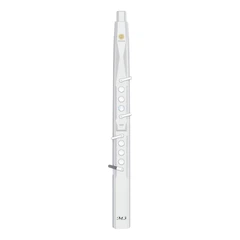
SUNRISE MELODY M1 Electronic Wind Instrument
. Revisit the passion and dreams of youth
. M1 electric clarinet wind instrument -- The good news for beginners
. Rich and diverse timbres
. Powerful functions and easy operation
. Perfect after-sales service
