


Introduction
As technology continues to advance, digital saxophones have emerged as a new and innovative musical instrument. Integrating digital saxophones into music education can bring many benefits, such as enhancing students' creativity, expanding their musical horizons, and preparing them for the digital age. This essay will explore various ways in which digital saxophones can be integrated into music education.
I. Incorporating Digital Saxophones in Curriculum Design
Developing Specialized Courses
Music educational institutions can design specialized courses on digital saxophones. These courses can cover a wide range of topics, including the history and development of digital saxophones, their technical features, playing techniques, and applications in different musical genres. By offering such courses, students can gain a comprehensive understanding of digital saxophones and develop their skills in playing this instrument.
Integrating into Existing Music Courses
Digital saxophones can also be integrated into existing music courses, such as instrumental music classes, music theory courses, and music technology courses. For example, in instrumental music classes, students can be introduced to digital saxophones as an alternative instrument and learn how to play it alongside traditional instruments. In music theory courses, students can study the unique sound characteristics and capabilities of digital saxophones and explore how they can be used to create different musical effects. In music technology courses, students can learn about the digital technology behind digital saxophones and how to use software and hardware to manipulate and enhance their sound.
II. Utilizing Digital Tools and Resources
Interactive Learning Software
There are many interactive learning software available for digital saxophones. These software can provide students with real-time feedback on their playing, offer tutorials and practice exercises, and even allow them to collaborate with other musicians online. By incorporating these software into music education, students can enhance their learning experience and improve their playing skills more efficiently.
Online Learning Platforms
Online learning platforms offer a wealth of resources for learning digital saxophones. Students can access video lessons, sheet music, and performance examples from professional musicians. They can also participate in online communities and discussion forums to share their experiences and learn from others. Music educators can use these platforms to supplement their classroom teaching and provide students with additional learning opportunities outside of the classroom.
Mobile Apps
Mobile apps for digital saxophones can be a convenient and accessible way for students to practice and learn. These apps can offer features such as tuners, metronomes, and practice tools. Some apps even allow students to record their playing and share it with others for feedback. By encouraging students to use these apps, music educators can help them develop good practice habits and improve their playing skills on the go.
III. Promoting Creativity and Innovation
Experimentation with Sound
Digital saxophones offer a wide range of sound possibilities through their built-in effects and synthesis capabilities. Music educators can encourage students to experiment with different sounds and effects to create unique musical compositions. This can help students develop their creativity and explore new musical ideas.
Collaborative Projects
Collaborative projects can be a great way to integrate digital saxophones into music education. Students can work together with other musicians, both in person and online, to create music using digital saxophones. This can help them develop their teamwork skills and learn from others' perspectives. Music educators can facilitate these projects by providing guidance and resources, and by organizing performances and showcases to share the students' work.
Technology Integration
In addition to using digital saxophones themselves, music educators can also integrate other digital technologies into their teaching. For example, they can use music production software to record and edit students' performances, or use virtual reality and augmented reality to create immersive musical experiences. By integrating technology in this way, music educators can help students develop their digital literacy skills and prepare them for the future of music.
IV. Professional Development for Educators
Training and Workshops
Music educators need to be trained and updated on the latest developments in digital saxophones and music technology. Professional development opportunities such as training workshops, conferences, and online courses can help educators learn about the features and capabilities of digital saxophones, as well as effective teaching strategies for integrating them into music education.
Networking and Collaboration
Networking and collaboration with other music educators and professionals can also be beneficial for integrating digital saxophones into music education. Educators can share their experiences and ideas, learn from others' best practices, and collaborate on projects and initiatives. This can help to create a community of practice and promote the growth and development of digital saxophone education.
Conclusion
Integrating digital saxophones into music education can bring many benefits to students and educators alike. By incorporating digital saxophones into curriculum design, utilizing digital tools and resources, promoting creativity and innovation, and providing professional development for educators, we can help students develop their musical skills and creativity, and prepare them for the digital age. As technology continues to evolve, it is important for music educators to stay updated and embrace new technologies to enhance their teaching and inspire their students.
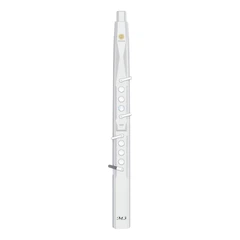
SUNRISE MELODY M1 Electronic Wind Instrument
. Revisit the passion and dreams of youth
. M1 electric clarinet wind instrument -- The good news for beginners
. Rich and diverse timbres
. Powerful functions and easy operation
. Perfect after-sales service


