
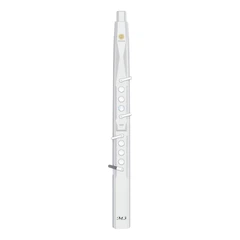


The sound of electric wind instruments /electronic-wind-instrument/electric-saxophone-ewi.htmlmainly goes through three processes: air flow vibration, signal conversion, signal processing and amplification:
1. **Air flow vibration**:
- The performer blows air into the electric wind instrument through the mouthpiece, and the air flow enters the inside of the electric wind instrument. When the air flow passes through the specific structure inside the instrument, it will vibrate, and this vibration is the basis for the sound generation. The inside of the electric wind instrument usually has an air column structure similar to that of traditional wind instruments. The air flow will cause the air column to resonate, just like traditional wind instruments such as saxophones and flutes, blowing will cause the air in the tube to vibrate and make sounds. The electric wind instrument also uses this principle. However, the air column structure of the electric wind instrument may be specially designed to meet the needs of electronic sound generation.
- Factors such as the size of the mouthpiece opening, the force and speed of blowing will affect the vibration frequency and intensity of the air flow, thereby affecting the pitch and volume. Generally speaking, the larger the mouthpiece opening, the smaller the resistance to the air flow when passing through, and the higher the pitch; the greater the force and speed of blowing, the higher the vibration frequency and intensity, and the louder the volume.
2. **Signal conversion**:
- When the airflow causes the structure inside the electric blowpipe to vibrate, this vibration will be captured by sensors or other sensing devices. These devices will convert the physical signal of the vibration into an electrical signal. For example, the pressure sensor can detect information such as the intensity of the blowing and the force of the bite, and convert it into a corresponding electrical signal.
- At the same time, the player's operation of pressing the keys on the electric blowpipe will also generate electrical signals. The function of the keys is similar to the fingering operation on traditional wind instruments. Different key combinations can produce different pitch and timbre changes. For example, pressing different sound hole keys can change the path of the airflow and the length of the air column, thereby producing different pitches.
3. **Signal processing and amplification**:
- The integrated circuit board and electronic components inside the electric blowpipe will process these electrical signals. The controller will process the audio signals generated by blowing and the touch signals generated by the keys, including filtering, amplifying, modulating and other operations to optimize the quality and effect of the sound, and adjust the signal according to the preset timbre mode and parameters to make it meet the specific timbre characteristics.
- The processed electrical signal will be transmitted to the audio digital signal processor, which will further process and optimize the audio signal, and then transmit it to the power amplifier circuit. The power amplifier circuit will amplify the audio signal so that it has enough power to drive the speaker or other audio output device, and finally make a sound.
In short, the electric blowpipe generates a physical signal through air flow vibration, which is then converted into an electrical signal, which is processed and amplified by the electronic circuit and converted into a sound signal output, thus realizing the conversion of the performer's operation into sound.


