
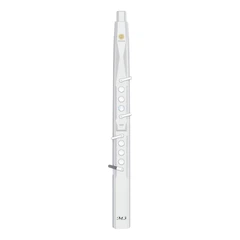


Electric saxophones are gaining popularity among students for a variety of reasons, offering unique advantages that traditional acoustic saxophones do not. Here's a detailed look at why these instruments are becoming the choice for many learners.
Portability and Space Efficiency
One of the standout features of electric saxophones is their compact size and lightweight design. Unlike traditional saxophones, electric models can be easily transported in a gig bag or even a backpack, making them ideal for students who need to carry their instruments to and from school or practice sessions. This portability is a significant advantage for those who travel frequently or have limited storage space.
Silent Practice with Headphones
Electric saxophones allow for silent practice when connected to headphones. This feature is particularly beneficial for students who live in shared spaces or have neighbors who might be disturbed by loud music. Silent practice also enables students to focus on their technique without being influenced by the acoustics of their environment.
Versatility in Sound
With electric saxophones, students have the ability to experiment with a wide range of sounds and tones that are not possible with traditional saxophones. Many models come with built-in sounds that mimic different saxophone types or even other instruments. This versatility opens up new creative possibilities and allows students to explore various music genres.
Lower Maintenance
Traditional saxophones require regular maintenance, such as cleaning and replacing reeds, which can be both time-consuming and costly. Electric saxophones eliminate the need for reeds and have fewer moving parts, resulting in less maintenance and longer instrument life.
Affordability
While high-quality traditional saxophones can be expensive, there are many affordable electric saxophone options available that offer great sound quality and features. This makes them an attractive choice for students on a budget who still want a professional-grade instrument.
Ease of Use
Some electric saxophones are designed to be easier to play than their acoustic counterparts, especially for beginners. They often have a more responsive mouthpiece and may use standard saxophone fingerings, making the transition from practice to performance seamless.
Top Models for Students
According to the reviews and ratings from NT Instruments, the Akai Professional EWI 5000 is considered the best overall electric saxophone. It's portable, works with different fingering systems, and has a wide range of sounds onboard . For students on a budget, the Yamaha YVS-100 Venova is a good alternative, offering a warm tone and durability . The Yamaha YDS-150 Digital Saxophone is another excellent choice, with 73 preset voices and the feel of an acoustic saxophone .
In conclusion, electric saxophones offer a blend of convenience, versatility, and affordability that resonates with students. Their ability to adapt to various learning environments and musical styles makes them an ideal instrument for the modern musician.
Brand Name: SUNRISE MELODY
Model: XR3000
Timbre: 60 types
Five octaves metal roller
Bluetooth connection
4 fingering modes available to select


