


The Distinction Between High-End and Low-End Electric Wind Instruments
Electric wind instruments (EWIs) have revolutionized the way musicians create and perform music. They offer a blend of traditional wind playing techniques with the versatility of digital sound production. However, the market for EWIs is vast, with a wide range of options available at different price points. Understanding the differences between high-end and low-end EWIs can help musicians make an informed decision based on their needs and budget. This article will explore the main distinctions between these two categories.
1. Sound Quality and Range
High-End EWIs:
High-end electric wind instruments are known for their superior sound quality. They often use advanced sound engines and sampling technology to produce rich, authentic, and dynamic tones.
They provide a wide range of sounds, from traditional orchestral instruments to unique electronic sounds, and often include a vast library of presets.
Low-End EWIs:
Lower-end models may have more limited sound options and may not offer the same level of detail or realism in their sound reproduction.
The sound engine might be less sophisticated, leading to a narrower range of tones and less expressive capabilities.
2. Build Quality and Durability
High-End EWIs:
These instruments are typically made from high-quality materials, ensuring durability and longevity.
They often feature robust construction, which can withstand the rigors of regular use and travel.
Low-End EWIs:
Budget EWIs may be made from cheaper materials, which can affect both the instrument's durability and the overall playing experience.
They might not be as resistant to wear and tear, which could lead to a shorter lifespan.
3. Playability and Ergonomics
High-End EWIs:
High-end models are designed with the player's comfort in mind, often featuring ergonomic designs that make them easy to hold and play for extended periods.
They may include features like adjustable keys or mouthpieces to accommodate different playing styles and preferences.
Low-End EWIs:
Lower-priced EWIs might compromise on ergonomics to cut costs. This can result in less comfortable playing experiences, especially for beginners or those with physical limitations.
4. Customization and Flexibility
High-End EWIs:
Advanced EWIs often come with extensive customization options, allowing musicians to tweak the sound to their liking.
They may include advanced features like MIDI control, aftertouch, and breath sensitivity, which can greatly enhance the expressiveness of the instrument.
Low-End EWIs:
Budget models typically have fewer customization options and may lack advanced features that allow for nuanced control over sound and performance.
5. Connectivity and Integration
High-End EWIs:
High-end instruments often have multiple connectivity options, such as USB, Bluetooth, or wireless connectivity, making it easy to integrate with digital audio workstations (DAWs), amplifiers, or other devices.
They may also include built-in effects processors or the ability to use external effects.
Low-End EWIs:
Lower-end models may have limited connectivity options, which can restrict how they can be used in different performance or recording situations.
6. Price and Value for Money
High-End EWIs:
While high-end EWIs come with a higher price tag, they often provide better value for money in the long run due to their superior sound quality, durability, and advanced features.
Low-End EWIs:
Budget EWIs are more affordable upfront but may require replacement more frequently due to lower build quality and fewer features.
Conclusion
The choice between a high-end and low-end electric wind instrument depends on the musician's needs, budget, and intended use. High-end EWIs offer superior sound quality, durability, and advanced features, making them ideal for professional musicians or those who demand the best performance from their instrument. On the other hand, low-end EWIs can be a cost-effective option for beginners, students, or those on a tight budget. Ultimately, the decision should be based on what features and performance levels are most important to the individual musician.
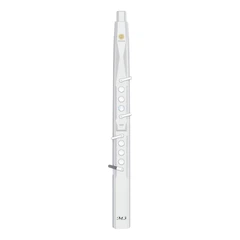
Brand Name: SUNRISE MELODY
Model: XR3000
Timbre: 60 types
Five octaves metal roller
Bluetooth connection
4 fingering modes available to select


