
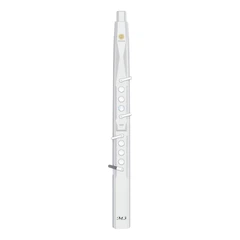


The history of Electronic Wind Instruments (EWIs) has been a journey of innovation and change. From the initial explorations of the late 20th century to today's mature technology, EWIs have not only redefined the category of wind instruments, but also opened up new possibilities for music composition. Here's how the technology of electronic wind instruments has evolved:
Early development
The story of electronic wind instruments began in the late 20th century, when wind instrumentalists and electronic music experimenters began to explore how to combine traditional wind techniques with emerging electronic sound technologies. Early EWIs were relatively simple in functionality and offered limited sound options and control, but they laid the groundwork for later technological changes.
Introduction of MIDI technology
With advances in digital sound processing and sensor technology, manufacturers are beginning to integrate more complex systems, allowing EWIs to offer a wider range of sound and more granular control. The introduction of MIDI (Digital Interface for Musical Instruments) was a turning point in the development of electronic wind instruments, which enabled EWIs to connect and communicate with other digital instruments and recording software, greatly expanding the capabilities of EWIs.
The influence of musical genres
EWIs have had a profound impact in different musical genres. In jazz, they enable new textures and fusion styles, allowing artists to combine traditional improvisation with electronic soundscapes. In the field of classical music, EWIs offers new possibilities for contemporary works and avant-garde performances. In the world of pop, rock and electronic music, EWIs break the mold of traditional wind instruments as tools for innovative sound design and dynamic live performance.
Influence in music education
The evolution of EWIs has also had a significant impact on music education. EWIs are relatively easy to learn compared to traditional wind instruments, which makes them an attractive option for beginners. Music educators are beginning to recognize that EWIs can engage students' interest in electronic music while teaching the basics. This educational versatility has made EWIs a popular choice in modern music courses, providing a bridge between classical techniques and contemporary music techniques.
Features of modern EWIs:
Modern EWIs, such as the AKAI EWI series, Roland Aerophones, Yamaha YDS-150 and Aodyo Instruments' Sylphyo, each stand out for its unique features and innovative technologies. Not only do these instruments offer rich timbre and expressiveness, but they also push the boundaries of musical expression through continuous technological innovation.
conclusion
The history of electronic wind instruments reflects a broader narrative of musical adaptation and innovation. From humble models to the sophisticated models available today, EWIs have become an integral part of the modern music landscape. They offer musicians a fusion of tradition and the future, combining the expressive depth of traditional wind instruments with the infinite possibilities of digital technology. As EWI technology continues to advance, these instruments are poised to push the boundaries of musical expression and creativity even further.
While exploring the world of electronic wind instruments, we can discover a fascinating area where innovation meets tradition, each offering a unique feature set for different musical needs. The AKAI EWI series, Roland Aerophones, Yamaha YDS-150, and Aodyo Instruments' Sylphyo each stand out in their own unique features and strengths, showcasing significant progress and diverse approaches within this field. For musicians considering EWI, the choice comes down to individual needs – whether it's the sonic diversity of the AKAI, the traditional feel of Roland, the authenticity of the Yamaha, or the innovative character of the Sylphyo, or the value for money of the SUNRISEMELODY in recent years. Ultimately, these instruments offer musicians the opportunity to expand their expressive horizons, bridging the gap between acoustic tradition and electronic innovation.
Brand Name: SUNRISE MELODY
Model: XR3000
Timbre: 60 types
Five octaves metal roller
Bluetooth connection
4 fingering modes available to select


