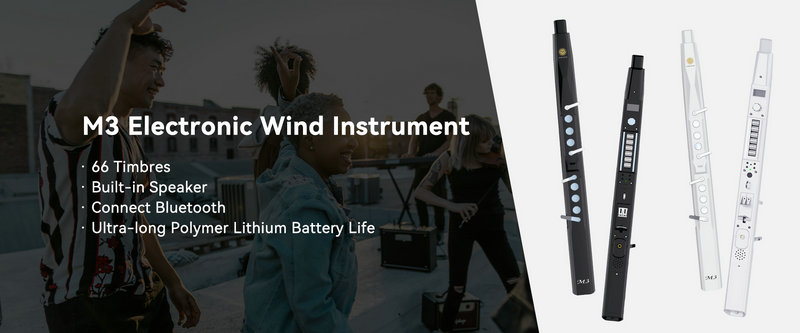

A digital saxophone is an electronic musical instrument that emulates the sound and playing characteristics of a traditional saxophone.
1. How it works
It uses digital technology to generate sound. Inside, there are sensors and electronic components. When you press the keys or manipulate other controls (like the octave key), the instrument detects these actions and sends signals to a sound - generating module. This module uses pre - programmed sound samples of a saxophone or algorithms to create the appropriate saxophone - like tones. These sounds can then be output through an amplifier or headphones.
2. Advantages over traditional saxophones
Volume and amplification: Digital saxophones can easily be connected to external amplification systems or headphones. This allows for more control over the volume, making them suitable for both quiet practice sessions (with headphones) and large - scale performances where more volume is needed. For example, a musician can practice late at night without disturbing others by simply plugging in headphones.
Sound variety: They often come with a range of built - in sound effects and tone - shaping options. You can change the timbre to sound like different types of saxophones (such as alto, tenor, soprano) or even create completely new and unique sounds that a traditional saxophone might not be able to produce without additional external equipment. Some digital saxophones allow you to add reverb, delay, or other effects to enhance the musical performance.
Portability and durability: They are generally more robust and less affected by environmental factors such as temperature and humidity compared to wooden - bodied traditional saxophones. Also, they are often more compact and easier to carry around, especially for musicians who are constantly on the go.
3. Disadvantages
Tactile and acoustic feel: Many musicians feel that the touch and response of the keys on a digital saxophone lack the nuanced feel of a traditional saxophone. The breath control and the way the reed vibrates in a traditional instrument create a unique playing experience that digital saxophones have not fully replicated.
Sound authenticity: While digital saxophones can produce very good approximations of the saxophone sound, some purists argue that they still do not have the full, rich, and organic sound quality that a well - crafted acoustic saxophone can provide.
4. Applications
They are widely used in music production, especially in genres that combine electronic and acoustic elements. For example, in pop music, a digital saxophone can provide a saxophone - like sound that can be easily integrated into a track with other electronic instruments and effects. They are also used in educational settings, as they can provide visual feedback (such as the display of notes being played) and allow for more experimentation with sounds, which can be beneficial for students learning music theory and performance.
SUNRISE MELODY M3 Electronic Wind Instrument - The best-selling Electronic Wind Instrument
. 66 Timbres
. Built-in Speaker
. Connect Bluetooth
. Ultra-long Polymer Lithium Battery Life