
The musical gourd, commonly known as the Hulusi or Hulusi Di, is a traditional Chinese wind instrument that has captivated audiences with its unique construction and melodious sound. This article provides an in-depth exploration of the musical gourd, including its history, cultural significance, construction, playing techniques, and its role in modern music.
Introduction to the Musical Gourd: The musical gourd, or Hulusi, is a free-reed instrument that has been an integral part of Chinese musical culture for centuries. It is particularly popular among the ethnic minorities in Yunnan Province, China. The instrument's distinctive sound, produced by a gourd resonator and bamboo pipes, has made it a favorite among musicians and music enthusiasts alike.
Historical Background: The Hulusi's history is deeply rooted in Chinese tradition. It is believed to have evolved from the ancient "Sheng," a mouth-blown instrument. The Hulusi's development can be traced back to the pre-Qin period, with evidence suggesting its origins in the Central Plains of China before spreading to the southwestern regions.
Cultural Significance: The Hulusi holds a special place in Chinese culture, symbolizing the rich musical heritage of the ethnic minorities in Yunnan Province. It is often used in various social and ceremonial contexts, including festivals, celebrations, and traditional courtship rituals among the Achang people.
Instrument Construction: The Hulusi is made from a gourd that serves as the resonator and several bamboo pipes. The main pipe has finger holes for playing melodies, while the side pipes produce continuous bass notes, providing a harmonic background. The instrument's construction allows for a unique sound that is both soft and melodious.
Playing Techniques: Playing the Hulusi requires a combination of breath control and finger dexterity. Musicians blow air into the gourd's spout while covering and uncovering the finger holes on the main pipe to produce melody notes. The side pipes contribute a constant bass note, adding depth to the music. Players must master various techniques, including breath control, finger placement, and articulation, to produce a rich and expressive sound.
Sound Characteristics: The Hulusi is known for its soft, clear, and somewhat haunting sound. It has a relatively limited range but is capable of producing a variety of tones that can be both gentle and lively. The instrument's sound is often compared to that of a clarinet but with a warmer and more mellow quality.
Musical Range and Scale: The Hulusi typically has a range of about an octave and a half, allowing for the performance of both simple melodies and complex compositions. The instrument's scale is based on the pentatonic scale, which is the most basic form of the Chinese musical scale, consisting of five notes: Gong, Shang, Jiao, Zhi, and Yu.
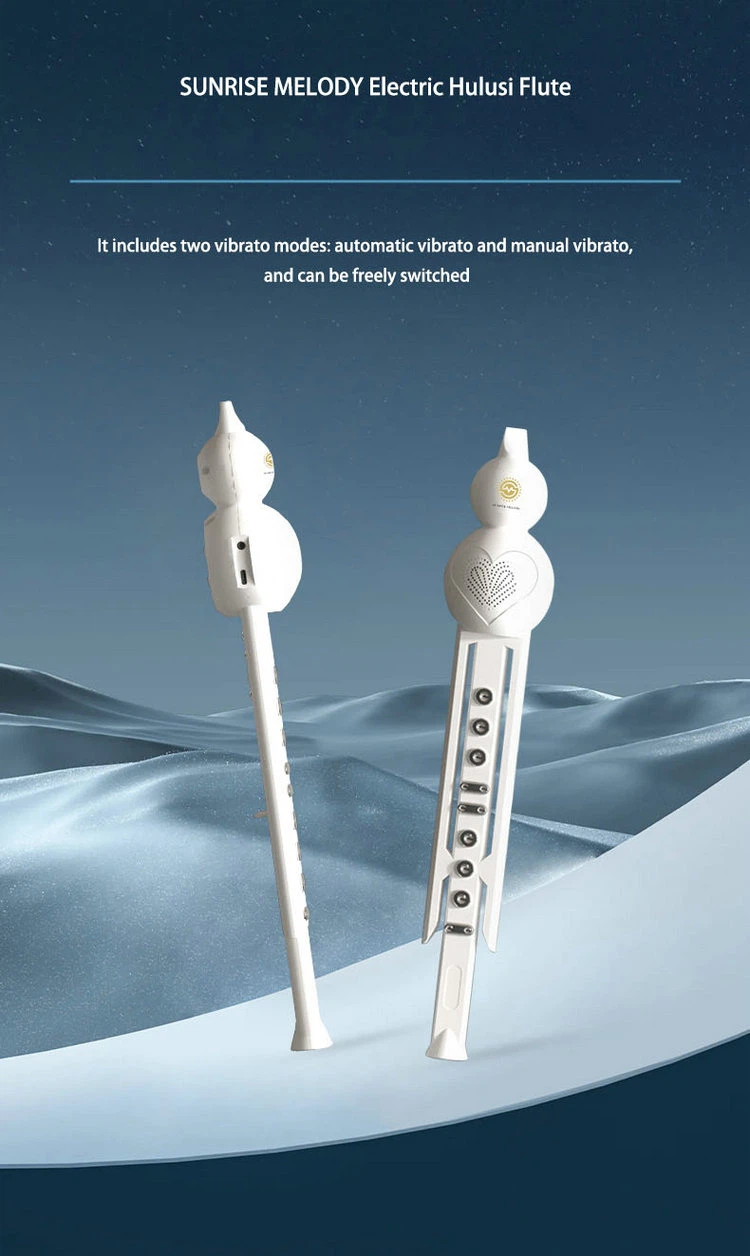
Technological Advancements: With the integration of modern technology and traditional craftsmanship, the Hulusi has been innovated and developed. New materials and designs have been introduced to improve its playability and sound quality. Electronic enhancements have also been made, creating the electronic Hulusi, which can produce a wider range of sounds and is suitable for various musical genres.
Famous Hulusi Players and Composers: Several renowned musicians have contributed to the popularity and development of the Hulusi. These artists, through their mastery and innovation, have expanded the instrument's repertoire and performance techniques. Famous compositions for the Hulusi often reflect traditional folk tunes and have been arranged to highlight the instrument's unique sound.
Educational Aspect: The Hulusi is also used in educational settings to teach students about traditional Chinese music, culture, and music theory. Its relatively simple construction and playing techniques make it an accessible instrument for beginners.
Global Influence and Exchange: As Chinese culture has spread around the world, so too has the Hulusi. It has become a point of cultural exchange, with musicians around the world incorporating it into various musical genres, from classical to jazz and beyond.
Preservation and Promotion of the Hulusi: Efforts to preserve and promote the Hulusi have been undertaken by cultural institutions and musicians alike. This includes the documentation of traditional playing techniques, the organization of festivals and competitions, and the incorporation of the instrument into school music curricula.
The Future of the Hulusi: Looking ahead, the Hulusi's future is bright. With its unique sound and cultural significance, it is poised to continue as an important instrument in both traditional and contemporary music. As the Hulusi continues to be played and appreciated around the world, it serves as a bridge between the rich heritage of Chinese music and the global stage.
Conclusion: The Hulusi, with its enchanting sound and rich history, stands as a testament to the depth and diversity of Chinese musical tradition. Its journey from a simple gourd and bamboo instrument to a modern electronic wind instrument reflects the dynamic nature of music and its ability to connect people across cultures and generations. As the Hulusi continues to be celebrated and explored, its musical expressiveness will undoubtedly remain a key aspect of its allure.
This article has provided an extensive exploration of the musical gourd, highlighting its unique construction, cultural significance, and the techniques that contribute to its emotional depth. The Hulusi's story is one of cultural preservation and innovation, ensuring that its music will continue to be enjoyed and celebrated for generations to come.
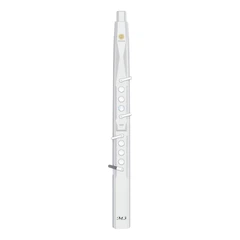
SUNRISE MELODY Electric hulusi flute instrument
Chinese hulusi flute instrument it has a unique ethnic style and is extremely ethnic.
And it has a good volume and 10 timbres, it is easy to learn and simple to use, especially suitable for beginners.
6 Major Core Selling Points, a variety of innovative functions to meet different performance needs:
10 kinds of timbres
Touchable octave
Connect headphones
Four fingerings
Built-in battery
Built-in speakers