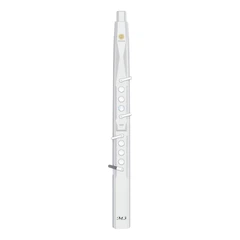


The Hulusi is a captivating musical instrument with a set of distinct characteristics and playing techniques that contribute to its unique charm and musical expressiveness.
Characteristics:
The sound produced by the Hulusi is one of its most defining features. It has a soft, warm, and somewhat nasal quality that gives it an unmistakable ethnic flavor. This mellow tone can evoke a sense of tranquility, nostalgia, or even a touch of mystery. The timbre of the Hulusi is often described as having a gentle and soothing quality, making it suitable for expressing a wide range of emotions.
The instrument's structure is both simple and elegant. The main body is typically a gourd, which acts as a resonator, enhancing and enriching the sound. The bamboo pipes attached to the gourd are carefully crafted and precisely positioned to produce the different pitches. The combination of the natural shape of the gourd and the slender bamboo pipes gives the Hulusi a visually appealing and aesthetically pleasing appearance.
Another notable characteristic is its portability. The Hulusi is relatively small and lightweight, allowing musicians to carry it easily wherever they go. This makes it convenient for impromptu performances, outdoor gatherings, or simply for personal enjoyment in various settings.
The range of the Hulusi may not be as extensive as some other instruments, but within its limitations, it offers a diverse palette of notes that can be manipulated to create beautiful melodies and harmonies.
Playing Techniques:
Breath control is of paramount importance when playing the Hulusi. The player must learn to manage their breath in a precise and controlled manner to produce the desired sounds. A steady and consistent flow of air is needed for sustained notes, while variations in the force and speed of the breath can create differences in volume and pitch. For instance, to play a long, sustained note with a smooth and even tone, the player needs to inhale deeply and then release the air gradually, maintaining a consistent pressure. On the other hand, for short, staccato notes, a quick burst of breath is required.
Fingering plays a crucial role in determining the pitch and melody. The Hulusi usually has several holes on the bamboo pipes, and covering or uncovering these holes in specific combinations allows the player to produce different notes. The player needs to develop dexterity and accuracy in their finger movements to change notes quickly and smoothly. It takes practice to master the correct finger placements and the coordination between finger movements and breath control.
Vibrato is a technique that can add expressiveness and warmth to the playing. By subtly varying the pitch through slight fluctuations in breath pressure or finger movement, the player can create a more emotional and dynamic sound. This technique can make the music more engaging and convey a deeper sense of feeling.
Slurring, which involves smoothly transitioning between notes without distinct breaks, is another important aspect. It helps create a flowing and seamless melody, giving the music a sense of continuity and fluidity.
Playing techniques also include the use of ornaments such as trills and grace notes. Trills involve rapidly alternating between two adjacent notes to add a decorative and lively element to the music. Grace notes are short, quick notes that precede the main note, adding emphasis and elegance.
In addition to these technical aspects, the interpretation and expression of the music through the Hulusi rely on the player's understanding of the musical piece and their ability to convey its intended mood and character. This requires a sense of musicality, creativity, and the ability to connect with the audience on an emotional level.
To illustrate, let's consider a traditional folk melody played on the Hulusi. The player might start with a gentle introduction, using soft breath and careful fingering to establish the main theme. As the piece progresses, they could incorporate more complex fingering patterns, variations in breath control for dynamic changes, and the use of ornaments to add flourishes and highlights. The final section might feature a sustained note with a gentle vibrato to leave a lasting impression.
Mastering the Hulusi takes time, patience, and consistent practice. Beginners often start by learning the basic breathing and fingering techniques, gradually building up their skills and repertoire. With dedication and a passion for the instrument, players can unlock its full potential and create beautiful and evocative music.
Furthermore, the Hulusi can be played in various musical settings. It can be a solo instrument, standing out with its unique sound and allowing the player to showcase their individual talent and interpretation. It can also be part of an ensemble, where it blends with other instruments to create a rich and harmonious musical texture.
In conclusion, the Hulusi's characteristics and playing techniques combine to make it a fascinating and rewarding instrument. Whether used to convey the simplicity of a folk song or to explore more complex musical expressions, it holds a special place in the world of music, offering a window into the rich cultural heritage and musical traditions of China.
SUNRISE MELODY Electric hulusi flute instrument
Chinese hulusi flute instrument flute instrument it has a unique ethnic style and is extremely ethnic.
And it has a good volume and 10 timbres, it is easy to learn and simple to use, especially suitable for beginners.
6 Major Core Selling Points, a variety of innovative functions to meet different performance needs:
10 kinds of timbres
Touchable octave
Connect headphones
Four fingerings
Built-in battery
Built-in speakers