

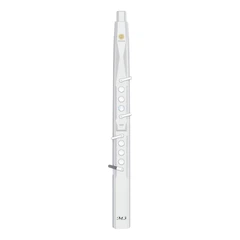

Electric wind instruments /electronic-wind-instrument/electric-saxophone-ewi.html usually have a variety of built-in timbres. Here are some common categories, features and applicable scenarios:
1. **Western wind instrument timbres**:
- **Saxophone timbres**:
- **Features**: This is a very common and representative timbre in electric wind instruments. Its sound is warm and mellow, with strong expressiveness and unique timbre texture. The timbre in the middle and high range is bright, and the bass range is relatively thick. The saxophone timbre has a high degree of simulation on the electric wind instrument, which can well show the playing style and characteristics of the saxophone.
- **Applicable scenarios**: Suitable for various styles of music performance, such as jazz, pop music, light music, etc. In jazz, the saxophone timbre can create a lazy and casual atmosphere; in pop music, it can be used as a solo instrument or in combination with other instruments to increase the layering and richness of the music.
- **Flute timbre**:
- **Features**: The flute timbre is crisp and bright, the timbre in the high range is sharp and penetrating, the timbre in the middle range is soft, and the timbre in the bass range is relatively thin. The timbre of the flute simulated by the electric blowpipe is close to that of the real flute in terms of timbre characteristics, but there may be some differences in some subtle timbre changes.
- **Applicable scenarios**: Commonly used in performances of classical music, light music, new age music and other styles. In classical music, the flute is often used as a solo instrument or an important part of the band. The timbre of the flute of the electric blowpipe can well interpret the elegance and delicacy of classical music; in light music and new age music, the timbre of the flute can add a fresh and ethereal feeling to the music.
- **Clarinet timbre**:
- **Features**: The timbre of the clarinet is thick, full and has strong expressiveness. It has a wide range and can play rich musical emotions. The timbre of the clarinet of the electric blowpipe simulates its unique timbre characteristics, but it may lack the authenticity and delicacy of the timbre.
- **Applicable scenarios**: Suitable for playing classical music, jazz, chamber music, etc. In classical music, clarinets often form duets with other instruments or play an important role in the band; in jazz, the timbre of clarinets can add a unique flavor to music.
- **Trumpet timbre**:
- **Features**: The trumpet timbre is loud and passionate, with strong penetration and expressiveness. Its timbre in the high pitch is sharp, and the timbre in the middle and low pitches is relatively full. The timbre of the trumpet played by the electric blowpipe can simulate the bright timbre and strong expressiveness of the trumpet, but the strength and resonance of the timbre may be different from that of the real trumpet.
- **Applicable scenarios**: It is often used in music styles such as marches, symphonies, and jazz. In marches, the timbre of the trumpet can enhance the rhythm and passionate atmosphere of the music; in symphonies, the trumpet is often used as an important instrument in the high pitch part, adding brilliant colors to the music; in jazz, the trumpet is also one of the common solo instruments.
2. **Chinese folk instrument timbre**:
- **Erhu timbre**:
- **Features**: Erhu has a melodious and graceful timbre, with strong expressiveness and unique folk style. Its timbre is delicate and can play a variety of emotions such as sadness and joy. The timbre of the electric blowpipe erhu simulates the timbre characteristics of the erhu to a certain extent, but there may be differences in the charm and expressiveness of the timbre.
- **Applicable scenarios**: Suitable for playing Chinese traditional music, folk music, opera music, etc. In folk music, the erhu is often used as the main instrument, and the timbre of the electric blowpipe erhu can well interpret the style and emotion of folk music; in opera music, the erhu is also an important accompaniment instrument, and the timbre of the electric blowpipe erhu can add atmosphere to opera performances.
- **Guzheng timbre**:
- **Features**: Guzheng has a crisp and bright timbre, with a strong sense of granularity and rhythm. It has a wide range of sound and can play rich harmonies and melodies. The timbre of the Guzheng played by the electric blowpipe simulates the timbre characteristics of the Guzheng, but may be insufficient in terms of the authenticity of the timbre and the performance of playing skills.
- **Applicable scenarios**: Commonly used to play Chinese classical music, folk music, modern music, etc. In classical music, the Guzheng is often used as a solo instrument or in a duet with other folk instruments. The timbre of the Guzheng played by the electric blowpipe can add a unique folk style to the music; in modern music, the timbre of the Guzheng can also be integrated with other instruments to create novel musical effects.
- **Suona timbre**:
- **Features**: The timbre of the Suona is high-pitched and loud, with strong penetration and expressiveness. Its timbre is unique and can play a variety of emotions such as joy and sadness. The timbre of the Suona played by the electric blowpipe simulates the timbre characteristics of the Suona to a certain extent, but the strength and resonance of the timbre may be different from that of the real Suona.
- **Applicable scenarios**: Suitable for playing traditional Chinese music, folk music, opera music, etc. In folk music, suona is often used as the main instrument for celebrations, weddings and other occasions; in opera music, suona is also an important accompaniment instrument, and the suona sound of the electric blowpipe can add atmosphere to the opera performance.
- **Hulusi sound**:
- **Features**: Hulusi has a soft and beautiful sound, with strong national characteristics. Its sound is soft and can play beautiful melodies and moving emotions. The sound of the Hulusi of the electric blowpipe simulates the sound characteristics of the Hulusi to a certain extent, but it may be insufficient in the charm of the sound and the performance of playing skills.
- **Applicable scenarios**: It is often used to play Chinese folk music, folk music, etc. In folk music, Hulusi is often used as a solo instrument or in a duet with other folk instruments. The sound of the Hulusi of the electric blowpipe can well interpret the style and emotion of folk music.
3. **Electronic synthesis tone**:
- **Electronic tube tone**:
- **Features**: This tone has a unique electronic sound effect, the sound is warm and soft, with a certain distortion effect, similar to the tone characteristics of electronic wind instruments. Its tone is rich in changes, and the brightness and saturation of the tone can be changed by adjusting the parameters of the electric blowpipe.
- **Applicable scenarios**: Suitable for performances in styles such as electronic music, experimental music, and ambient music. In electronic music, the tone of the electronic tube can be used as the main tone element to create a unique electronic music atmosphere; in experimental music and ambient music, the tone of the electronic tube can add a mysterious and fantastic feeling to the music.
- **Synthesizer tone**:
- **Features**: Synthesizer tone is a tone generated by electronic synthesis technology, with very rich changes and diversity. It can simulate the tone of various instruments, and can also create new and unique tone effects. The characteristic of the synthesizer tone is that the tone changes are flexible and can be adjusted in real time according to the needs of the performer.
- **Applicable scenarios**: It is widely used in electronic music, pop music, film soundtracks and other fields. In electronic music, synthesizer sounds are an indispensable element, which can create all kinds of unique sound effects and rhythms for music; in pop music, synthesizer sounds can be used as accompaniment instruments to add a sense of modernity and fashion to the music; in film soundtracks, synthesizer sounds can be created according to the plot and atmosphere of the film, adding unique musical effects to the film.
/electronic-wind-instrument/electric-saxophone-ewi.html
What built-in sounds do electric wind instruments usually have? What are the characteristics and application scenarios of these sounds?
Nov 01, 2024
Leave a message