
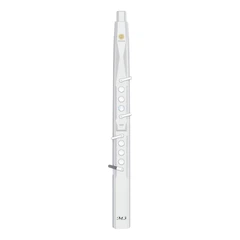


The electric flute is a fascinating instrument that combines traditional flute playing techniques with modern electronic technology. Whether you are a beginner or an experienced musician looking to expand your skills, learning to play the electric flute requires a solid foundation of knowledge. In this article, we will explore the essential basics needed to embark on your journey of learning the electric flute.
I. Musical Theory
A strong understanding of musical theory is crucial for any musician, and this holds true for learning the electric flute as well. Here are some key aspects of musical theory that you should be familiar with:
Notes and Scales
Learn the names and pitches of the different notes on the flute. Understand the concept of scales, such as major and minor scales, and how they are constructed. This knowledge will help you play melodies and understand the structure of music.
Practice identifying notes by ear and on sheet music. This will improve your pitch recognition and sight-reading abilities.
Rhythm and Meter
Understand the different rhythmic values, such as whole notes, half notes, quarter notes, and so on. Learn how to count rhythms and keep a steady tempo.
Practice playing simple rhythms and gradually increase the complexity. This will help you play in time with other musicians and develop a sense of groove.
Harmony and Chords
While the electric flute is primarily a melodic instrument, having a basic understanding of harmony and chords can enhance your playing. Learn about chord progressions and how they support melodies.
Experiment with playing melodies over different chord progressions to understand how harmony and melody interact.
II. Instrument Basics
To play the electric flute effectively, you need to have a good understanding of the instrument itself. Here are some important aspects to consider:
Anatomy of the Electric Flute
Familiarize yourself with the different parts of the electric flute, including the headjoint, body, footjoint, keys, and pads. Understand how each part functions and how they work together to produce sound.
Learn about the different materials used in making electric flutes and how they affect the sound quality.
Tone Production
Understand how to produce a good tone on the electric flute. This involves proper breathing techniques, embouchure (the way you shape your lips and mouth), and air support.
Practice long tones and scales to develop a consistent and beautiful tone. Experiment with different embouchure adjustments and air pressures to find the right balance for your playing.
Fingerings
Learn the correct fingerings for each note on the electric flute. This includes both the regular fingerings and any alternate fingerings that may be used for certain notes.
Practice playing scales and melodies using the correct fingerings to develop muscle memory and improve your dexterity.
III. Electronic Components
The electric flute incorporates various electronic components that add unique features and capabilities. Here are some aspects to understand about these components:
Pickup System
The pickup system on an electric flute is responsible for converting the acoustic sound of the flute into an electrical signal. Understand how the pickup works and how it can be adjusted for different playing styles and environments.
Experiment with different pickup settings to find the sound that suits your taste.
Effects and Processors
Electric flutes often come with built-in effects and processors, such as reverb, delay, chorus, and distortion. Learn how to use these effects to enhance your sound and create different sonic textures.
Experiment with different effect combinations to find your own unique sound.
MIDI Connectivity
Many electric flutes have MIDI capabilities, allowing you to connect them to other electronic instruments or music software. Understand how MIDI works and how you can use it to expand your musical possibilities.
Learn how to program MIDI controllers and use them to control the parameters of your electric flute.
IV. Practice and Technique
Developing good practice habits and techniques is essential for learning any instrument, and the electric flute is no exception. Here are some tips to help you improve your playing:
Regular Practice
Set aside regular practice time each day to build muscle memory and improve your skills. Consistency is key when learning an instrument.
Start with short practice sessions and gradually increase the duration as you progress.
Warm-up Exercises
Begin each practice session with warm-up exercises to loosen up your fingers, lips, and breathing. This can include long tones, scales, and lip slurs.
Warm-up exercises will help you get into the right mindset for playing and prevent injuries.
Slow Practice
Practice playing slowly and accurately to focus on technique and intonation. Gradually increase the speed as you become more comfortable with the material.
Slow practice allows you to identify and correct any mistakes or weaknesses in your playing.
Listening and Imitation
Listen to professional flute players and try to imitate their sound and style. This can help you develop a good sense of phrasing, dynamics, and expression.
Use recordings or live performances as a source of inspiration and learning.
V. Performance and Collaboration
Once you have developed a good foundation of skills, it's time to start performing and collaborating with other musicians. Here are some tips for performing on the electric flute:
Stage Presence
Develop a confident stage presence by practicing your posture, facial expressions, and body language. This will enhance your performance and engage the audience.
Work on projecting your sound and energy to the audience.
Rehearsal
Rehearse regularly with other musicians to build chemistry and coordination. This will help you perform smoothly and confidently on stage.
Practice playing in different ensembles, such as duets, trios, and larger groups.
Improvisation
Learn the art of improvisation to add spontaneity and creativity to your performances. Experiment with different scales, rhythms, and melodies to develop your improvisational skills.
Improvisation can also help you connect with other musicians and create unique musical moments.
In conclusion, learning to play the electric flute requires a combination of musical theory, instrument knowledge, electronic components understanding, practice, and performance skills. By building a solid foundation in these areas, you can embark on a rewarding journey of musical exploration and expression. Remember to be patient, persistent, and have fun along the way. With dedication and practice, you can master the electric flute and create beautiful music.
SUNRISE MELODY M1 Electronic Wind Instrument
. Revisit the passion and dreams of youth
. M1 electric clarinet wind instrument -- The good news for beginners
. Rich and diverse timbres
. Powerful functions and easy operation
. Perfect after-sales service


