

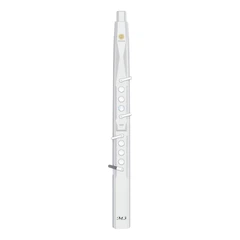

The electric saxophone, a modern and versatile musical instrument, offers a wide range of playing techniques that can enhance the expressiveness and creativity of a musician's performance. In this article, we will explore the various playing techniques of the electric saxophone.
I. Breath Control
Breath control is fundamental to playing any wind instrument, and the electric saxophone is no exception. Proper breath control allows for a smooth and consistent tone, as well as the ability to play with dynamics and expression.
To master breath control, start by taking deep breaths from the diaphragm. Avoid shallow breathing from the chest, as this can lead to a strained and inconsistent sound. As you exhale, focus on maintaining a steady stream of air, controlling the speed and pressure to achieve different volumes and intensities.
Practice long tones to develop your breath control. Play a single note for an extended period, gradually increasing and decreasing the volume while maintaining a steady tone. This exercise will help you learn to control the air flow and develop the stamina needed for longer performances.
II. Finger Technique
The electric saxophone has a similar fingering system to the traditional saxophone, but with some additional features due to its electronic nature. Accurate finger technique is essential for playing clean and precise notes.
Practice scales and arpeggios to improve your finger dexterity. Start slowly and gradually increase the speed as you become more comfortable. Pay attention to the placement of your fingers on the keys, ensuring a firm but not overly tense grip.
Experiment with different fingerings for the same note. Some notes can be played using alternative fingerings, which can add variety to your playing and make it easier to transition between notes in fast passages.
III. Tonguing Technique
Tonguing is used to start and articulate notes on the saxophone. There are several different tonguing techniques that can be used to create different sounds and effects.
The most common tonguing technique is called "single tonguing," where a single "tu" sound is used to start each note. This is suitable for most playing situations and provides a clean and crisp articulation.
For faster passages, "double tonguing" and "triple tonguing" can be used. Double tonguing involves alternating between "tu" and "ku" sounds, while triple tonguing adds a "tu-ku-tu" pattern. These techniques require practice to master but can greatly increase the speed and fluidity of your playing.
IV. Vibrato Technique
Vibrato is a technique that adds warmth and expression to a note. On the electric saxophone, vibrato can be achieved through several methods.
One method is to use the breath to create a subtle fluctuation in the volume and pitch of the note. This can be done by slightly increasing and decreasing the air pressure while playing.
Another method is to use the fingers to create a vibrato effect. This can be done by gently wiggling the finger that is pressing down on a key, creating a slight variation in the pitch.
Experiment with different vibrato speeds and intensities to find the right balance for each piece of music. A slow and subtle vibrato can add a sense of melancholy, while a faster and more intense vibrato can create a more passionate and energetic sound.
V. Special Effects and Electronic Features
The electric saxophone often comes with a variety of special effects and electronic features that can be used to enhance the sound and create unique musical experiences.
Some common effects include reverb, delay, distortion, and wah-wah. These effects can be adjusted using knobs or buttons on the instrument or through an external effects processor.
Experiment with different effects to find the ones that best suit your playing style and the music you are performing. For example, reverb can add a sense of space and depth to a slow ballad, while distortion can give a more aggressive edge to a rock or jazz piece.
In addition to effects, some electric saxophones may have features such as built-in synthesizers or MIDI capabilities. These features allow you to create complex sounds and textures by combining the saxophone with other electronic instruments or by using pre-programmed sounds.
VI. Improvisation and Creativity
Improvisation is an important aspect of playing the electric saxophone. It allows you to express your individuality and creativity, and can add a spontaneous and exciting element to your performances.
To improvise, start by listening to a wide variety of music styles and learning the basic elements of improvisation, such as scales, chords, and rhythmic patterns. Practice improvising over simple chord progressions or backing tracks to develop your skills.
Don't be afraid to take risks and try new things. Experiment with different sounds, techniques, and musical ideas. The electric saxophone offers a vast range of possibilities for creative expression, so let your imagination run wild.
In conclusion, the electric saxophone offers a wide range of playing techniques that can be used to create beautiful and expressive music. By mastering breath control, finger technique, tonguing, vibrato, and special effects, as well as exploring improvisation and creativity, you can take your playing to the next level. Whether you are a beginner or an experienced musician, the electric saxophone is a versatile and exciting instrument that can bring joy and inspiration to your musical journey.
SUNRISE MELODY M1 Electronic Wind Instrument
. Revisit the passion and dreams of youth
. M1 electric clarinet wind instrument -- The good news for beginners
. Rich and diverse timbres
. Powerful functions and easy operation
. Perfect after-sales service
