

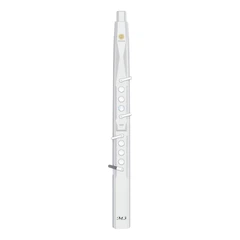

The digital saxophone and traditional saxophone, although both instruments capable of producing beautiful music, have distinct playing techniques and characteristics.
I. Traditional Saxophone
Playing Techniques:
Breath Control: This is one of the most crucial aspects of playing a traditional saxophone. The player must master the art of controlling their breath to produce a consistent and smooth sound. By adjusting the strength, speed, and stability of their breathing, they can create different volumes and tones. A deep breath and controlled exhalation allow for long phrases and dynamic expression.
Finger Technique: The keys on a traditional saxophone require dexterity and precision. Players must develop the ability to move their fingers quickly and accurately to hit the correct notes. This involves proper hand positioning, finger strength, and coordination. Different fingerings can be used to produce various pitches and nuances in the sound.
Embouchure: The way the player positions their mouth on the mouthpiece is crucial for producing a good tone. The embouchure involves the shape of the lips, the pressure applied, and the position of the tongue. A proper embouchure allows for a rich, full sound and the ability to control the pitch and tone color.
Vibrato: Vibrato is a technique used to add warmth and expression to the sound. It is created by subtly varying the pitch by oscillating the air flow. Players must learn to control the speed and intensity of the vibrato to suit the musical context.
Slurs and Legato Playing: Slurring between notes and playing legato passages require smooth transitions between pitches. This involves coordinating the breath and finger movements to create a seamless flow of sound.
Tonguing: Different tonguing techniques, such as single tonguing, double tonguing, and triple tonguing, are used to articulate notes. These techniques involve using the tongue to start and stop the air flow, creating distinct attacks and rhythms.
Characteristics:
Acoustic Sound: The traditional saxophone produces a warm, organic sound that is rich in harmonics. The sound is created by the vibration of the reed and the resonance of the instrument's body. This acoustic quality gives the instrument a unique charm and expressiveness.
Versatility: The traditional saxophone is highly versatile and can be used in a wide range of musical genres, including jazz, classical, pop, and rock. It can play both melodic and harmonic roles and can be used as a solo instrument or in an ensemble.
Expressive Power: With its wide dynamic range and ability to produce various tones and colors, the traditional saxophone has great expressive power. Players can convey a wide range of emotions through their playing, from tenderness and melancholy to excitement and passion.
Physicality: Playing a traditional saxophone requires physical effort and coordination. The player must hold the instrument, control their breath, and manipulate the keys simultaneously. This physical aspect of playing can add to the sense of connection and engagement with the music.
II. Digital Saxophone
Playing Techniques:
Digital Controls: The digital saxophone comes with a variety of digital controls that allow the player to customize the sound. These controls may include volume, tone, effects, and pitch bend. Players must learn to use these controls effectively to create the desired sound.
MIDI Integration: Many digital saxophones can be connected to a computer or other MIDI devices. This allows for integration with music production software and the ability to trigger other sounds and effects. Players need to be familiar with MIDI technology and music production software to take full advantage of this feature.
Sound Libraries: Digital saxophones often come with built-in sound libraries or the ability to load external sound packs. These libraries offer a wide range of sounds, from traditional saxophone tones to synthesized and electronic sounds. Players can explore different sounds and create unique musical textures.
Expression Sensors: Some digital saxophones are equipped with expression sensors that can detect the player's breath pressure, finger pressure, and other movements. These sensors can be used to control various aspects of the sound, adding an extra layer of expressiveness.
Characteristics:
Electronic Sound: The digital saxophone produces an electronic sound that can be highly customizable and diverse. The sound can range from realistic simulations of traditional saxophones to completely synthesized and experimental sounds. This electronic quality gives the instrument a modern and innovative feel.
Portability: Digital saxophones are often more portable than traditional saxophones, as they may be smaller in size and lighter in weight. This makes them easier to transport and use in different settings, such as on stage, in the studio, or for impromptu performances.
Connectivity: The digital saxophone's ability to connect to other devices and software makes it highly versatile and adaptable. It can be integrated into a digital music production setup or used in conjunction with other electronic instruments for live performances.
Experimentation: With its wide range of sounds and effects, the digital saxophone encourages experimentation and creativity. Players can explore new musical styles and sounds, pushing the boundaries of traditional saxophone playing.
Ease of Use: Some digital saxophones are designed to be more user-friendly than traditional saxophones, with features such as simplified fingering systems and intuitive controls. This can make it easier for beginners or those with limited musical experience to get started.
In conclusion, the traditional saxophone and digital saxophone each have their own unique playing techniques and characteristics. While the traditional saxophone offers a warm, acoustic sound and a rich history of musical expression, the digital saxophone provides a modern, customizable sound and a wide range of technological features. Whether you prefer the classic charm of the traditional saxophone or the innovative possibilities of the digital saxophone, both instruments offer endless opportunities for musical exploration and creativity.
SUNRISE MELODY M1 Electronic Wind Instrument
. Revisit the passion and dreams of youth
. M1 electric clarinet wind instrument -- The good news for beginners
. Rich and diverse timbres
. Powerful functions and easy operation
. Perfect after-sales service
