
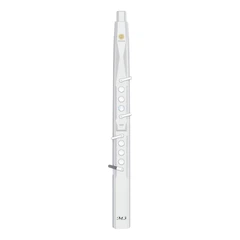


The mouthpiece of a digital saxophone plays a crucial role in determining the instrument's tone. Different materials used for making mouthpieces can have a significant impact on the sound produced. In this essay, we will explore the various differences in tone between digital saxophone mouthpieces made of different materials.
I. Introduction
A digital saxophone is a modern musical instrument that combines traditional saxophone playing techniques with advanced digital technology. It offers a wide range of sounds and effects, making it a popular choice among musicians in different genres. The mouthpiece is an essential part of the digital saxophone, as it directly influences the tone, playability, and overall musical expression.
II. Materials Used for Digital Saxophone Mouthpieces
Plastic
Plastic mouthpieces are lightweight, durable, and affordable. They are often the choice for beginners or those on a budget.
Tone-wise, plastic mouthpieces tend to produce a bright and clear sound. The tone is often described as being less warm and rich compared to other materials. However, this can be an advantage in certain musical styles where a brighter tone is desired.
Plastic mouthpieces are also less affected by temperature and humidity changes, making them more stable in different environments.
Rubber
Rubber mouthpieces are soft and flexible, providing a comfortable playing experience. They are often used by players who prefer a more forgiving mouthpiece.
Tone-wise, rubber mouthpieces produce a mellow and warm sound. The tone is less bright than plastic mouthpieces but has more body and depth. Rubber mouthpieces can be a good choice for players who want a more laid-back and smooth tone.
However, rubber mouthpieces may wear out more quickly than other materials and may need to be replaced more frequently.
Metal
Metal mouthpieces, such as brass or stainless steel, are known for their durability and excellent tone quality. They are often preferred by professional musicians.
Tone-wise, metal mouthpieces produce a rich and powerful sound. The tone is full-bodied and has a lot of projection. Metal mouthpieces can be very responsive to the player's embouchure and breathing, allowing for greater control over the tone.
However, metal mouthpieces can be heavier than other materials, which may affect the playing comfort for some players. They may also be more expensive than plastic or rubber mouthpieces.
Hard Rubber or Ebonite
Hard rubber or ebonite mouthpieces are a popular choice among many saxophonists. They offer a good balance between tone quality and affordability.
Tone-wise, hard rubber or ebonite mouthpieces produce a warm and rich sound. The tone is similar to that of a traditional wooden saxophone mouthpiece but with more durability. These mouthpieces can be very responsive and allow for a wide range of tonal colors.
Hard rubber or ebonite mouthpieces may require some break-in time to reach their optimal tone quality. They may also be affected by temperature and humidity changes to some extent.
III. Factors Affecting Tone Differences
Resonance
Different materials have different resonant properties, which can affect the tone of the digital saxophone. Materials that have a higher resonance tend to produce a fuller and more vibrant sound.
For example, metal mouthpieces have a higher resonance than plastic mouthpieces, which gives them a more powerful tone. Hard rubber or ebonite mouthpieces also have a good resonance, producing a warm and rich sound.
Response
The response of a mouthpiece refers to how quickly it reacts to the player's embouchure and breathing. Materials that are more responsive can allow for greater control over the tone and dynamics.
Metal mouthpieces are often very responsive, allowing players to produce a wide range of tonal colors and dynamics. Plastic mouthpieces may be less responsive, but they can still be suitable for beginners who are still developing their playing technique.
Resistance
Resistance refers to the amount of air pressure required to produce a sound. Mouthpieces with different levels of resistance can affect the player's breathing and embouchure, as well as the tone of the instrument.
Mouthpieces with higher resistance may require more effort to play but can produce a more focused and powerful sound. Mouthpieces with lower resistance may be easier to play but may lack some of the projection and tonal complexity.
IV. Impact on Playing Style and Musical Genre
Playing Style
Different materials can suit different playing styles. For example, metal mouthpieces are often preferred by players who play in a more aggressive or powerful style, while plastic mouthpieces may be better suited for players who prefer a lighter and more delicate playing style.
The response and resistance of the mouthpiece can also affect the player's ability to execute different techniques, such as fast passages, vibrato, and dynamics.
Musical Genre
The choice of mouthpiece material can also depend on the musical genre being played. For example, a bright plastic mouthpiece may be suitable for pop or rock music, while a warm hard rubber or ebonite mouthpiece may be better for jazz or classical music.
The tone produced by different materials can help to create the right atmosphere and mood for different musical styles.
V. Maintenance and Care
Cleaning
Different materials require different cleaning methods. Plastic and rubber mouthpieces can be cleaned with mild soap and water, while metal mouthpieces may require special cleaning solutions to prevent tarnishing.
Hard rubber or ebonite mouthpieces should be cleaned regularly to prevent buildup of dirt and saliva, which can affect the tone.
Storage
Mouthpieces should be stored in a dry and safe place to prevent damage. Plastic and rubber mouthpieces can be stored in a case or pouch, while metal mouthpieces may need to be stored in a separate compartment to prevent scratching.
Hard rubber or ebonite mouthpieces should be stored away from direct sunlight and extreme temperatures to prevent warping or cracking.
VI. Conclusion
In conclusion, the choice of material for a digital saxophone mouthpiece can have a significant impact on the tone produced. Each material has its own unique characteristics and advantages, and the best choice depends on the player's personal preferences, playing style, and musical genre. By understanding the differences in tone between different materials, players can make an informed decision when choosing a mouthpiece that suits their needs. Additionally, proper maintenance and care of the mouthpiece can help to ensure its longevity and optimal performance.
SUNRISE MELODY M1 Electronic Wind Instrument
. Revisit the passion and dreams of youth
. M1 electric clarinet wind instrument -- The good news for beginners
. Rich and diverse timbres
. Powerful functions and easy operation
. Perfect after-sales service


