
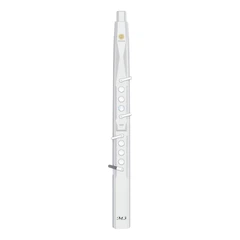


Choosing a digital saxophone mouthpiece that suits you is an important decision as it can greatly impact your playing experience and musical expression. With so many options available on the market, it can be a daunting task to find the perfect mouthpiece. However, by considering several key factors, you can make an informed decision and select a mouthpiece that meets your specific needs and preferences.
I. Consider Your Playing Style and Musical Goals
The first step in choosing a digital saxophone mouthpiece is to consider your playing style and musical goals. Different mouthpieces are designed to suit different playing styles and musical genres, so it's important to have a clear understanding of what you want to achieve with your instrument.
Playing Style
If you have a smooth and lyrical playing style, you may prefer a mouthpiece with a warm and mellow tone. On the other hand, if you play with a more aggressive and energetic style, you may want a mouthpiece that offers a brighter and more cutting tone.
Consider your embouchure and breathing technique as well. Some mouthpieces may require more air support and a stronger embouchure, while others may be more forgiving and easier to play.
Musical Genre
Different musical genres often require different tonal qualities. For example, jazz players may prefer a mouthpiece with a rich and complex tone, while pop or rock players may prefer a brighter and more punchy tone.
Think about the type of music you play most often and choose a mouthpiece that will enhance your performance in that genre.
II. Determine Your Skill Level and Experience
Your skill level and experience as a saxophonist also play an important role in choosing a digital saxophone mouthpiece. Beginners and intermediate players may have different needs than advanced or professional players.
Beginners
For beginners, it's important to choose a mouthpiece that is easy to play and provides a good tone quality. Look for a mouthpiece with a medium-sized chamber and a relatively open tip opening. This will make it easier to produce a sound and develop good tone control.
Avoid mouthpieces that are too difficult to play or require a lot of air support, as this can be discouraging for beginners.
Intermediate Players
As an intermediate player, you may be looking for a mouthpiece that offers more flexibility and control. Consider a mouthpiece with a slightly smaller chamber and a narrower tip opening. This will allow you to produce a wider range of tones and dynamics.
You may also want to experiment with different materials and designs to find a mouthpiece that suits your evolving playing style.
Advanced and Professional Players
Advanced and professional players often have specific requirements for their mouthpieces. They may be looking for a mouthpiece that offers exceptional tone quality, projection, and response.
These players may also be more willing to experiment with custom-made mouthpieces or rare materials to achieve their desired sound.
III. Consider the Mouthpiece's Design and Specifications
Once you have considered your playing style and skill level, it's time to look at the specific design and specifications of the digital saxophone mouthpiece. Here are some key factors to consider:
Chamber Size
The chamber size of a mouthpiece can have a significant impact on the tone and response of the instrument. Larger chambers tend to produce a warmer and fuller tone, while smaller chambers offer a brighter and more focused tone.
Try different chamber sizes to see which one suits your playing style and musical goals.
Tip Opening
The tip opening is the opening at the end of the mouthpiece where the reed sits. A wider tip opening generally requires more air support and produces a louder and more powerful tone. A narrower tip opening is easier to play and produces a softer and more controlled tone.
Consider your embouchure strength and breathing technique when choosing a tip opening. Beginners may want to start with a narrower tip opening, while advanced players may prefer a wider one.
Material
Digital saxophone mouthpieces are available in a variety of materials, including plastic, rubber, metal, and hard rubber. Each material has its own unique tone characteristics and playing feel.
Plastic and rubber mouthpieces are often more affordable and durable, but they may not offer the same tone quality as metal or hard rubber mouthpieces. Metal mouthpieces can produce a bright and cutting tone, while hard rubber mouthpieces offer a warm and rich tone.
Experiment with different materials to find the one that suits your taste.
Facing Curve
The facing curve of a mouthpiece refers to the shape of the inner surface of the tip opening. Different facing curves can affect the tone, response, and playability of the mouthpiece.
Some common facing curves include flat, medium, and steep. A flat facing curve is easier to play and produces a softer tone, while a steep facing curve requires more air support and produces a louder and more powerful tone.
Try different facing curves to see which one feels most comfortable and produces the tone you desire.
IV. Test and Compare Different Mouthpieces
The best way to choose a digital saxophone mouthpiece that suits you is to test and compare different options. Here are some tips for testing mouthpieces:
Try Before You Buy
If possible, try out different mouthpieces before making a purchase. Many music stores offer mouthpiece trials or rentals, so you can test different models and find the one that works best for you.
Bring your own saxophone and reeds to the store so you can get a true sense of how each mouthpiece sounds and feels on your instrument.
Listen to Sound Samples
Online sound samples can be a helpful resource for comparing different mouthpieces. Listen to recordings of different mouthpieces played by professional saxophonists to get an idea of their tone and capabilities.
Keep in mind that sound samples may not accurately represent how a mouthpiece will sound on your instrument, but they can give you a general idea of its tonal characteristics.
Consider Your Overall Setup
The mouthpiece is just one part of your saxophone setup. Consider how the mouthpiece will work with your saxophone, reeds, and ligature. Some combinations may work better than others, so it's important to test different setups to find the optimal combination for your playing style.
Trust Your Instincts
Ultimately, the choice of a digital saxophone mouthpiece is a personal one. Trust your instincts and choose a mouthpiece that feels comfortable and produces the tone you desire. Don't be afraid to experiment and try different options until you find the perfect fit.
In conclusion, choosing a digital saxophone mouthpiece that suits you requires careful consideration of your playing style, skill level, and musical goals. By considering these factors and testing different mouthpieces, you can find the perfect mouthpiece to enhance your playing experience and express your musical creativity.
SUNRISE MELODY M1 Electronic Wind Instrument
. Revisit the passion and dreams of youth
. M1 electric clarinet wind instrument -- The good news for beginners
. Rich and diverse timbres
. Powerful functions and easy operation
. Perfect after-sales service


