
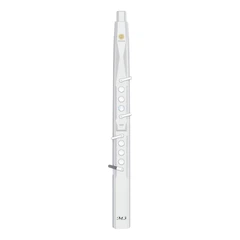


Learning to play the electric wind instrument /electronic-wind-instrument/electric-saxophone-ewi.htmlhas many benefits for children, which are mainly reflected in the following aspects:
**1. Music literacy**
1. **Cultivate musical sense**
- Playing the electric wind instrument requires children to accurately grasp the rhythm, pitch and timbre. In the learning process, they will gradually become familiar with various beats, such as two beats, three beats, four beats, etc. Through continuous practice, children can better perceive the rhythm and rhythm changes of music. For example, when playing the children's song "Two Tigers", it is necessary to accurately blow out the duration of each note and grasp the cheerfulness of the rhythm, which helps to cultivate their keen sense of rhythm.
- At the same time, the electric wind instrument has a variety of timbres to choose from. Children can try different timbres to play the same melody and feel the impact of timbre changes on musical emotions. For example, play a cheerful melody with a bright flute timbre, and then play the same melody with a deep clarinet timbre, and experience the different musical feelings brought by the difference in timbre, thereby improving the perception of timbre and enhancing musicality.
2. **Improve intonation ability**
- Electric blowpipes usually have certain auxiliary functions to help children learn intonation. For example, some electric blowpipes have pitch display or automatic calibration functions. When the pitch of the child's blowing is deviated, feedback can be obtained in time and adjustments can be made. Through long-term practice, children can better control their breath and fingering, and play the target pitch more accurately, which is a good training for their intonation ability. It is also very helpful for subsequent learning of other instruments or vocal activities.
3. **Expanding music knowledge**
- Learning electric blowpipes will expose children to music theory knowledge, such as notes, scales, and modes. While learning playing skills, they need to understand different scale structures, such as the composition and characteristics of major and minor scales. In addition, electric blowpipes can simulate the timbre of a variety of instruments, which also allows children to have a broader understanding of the timbre characteristics, range of different instruments, and other knowledge, broadening their musical horizons.
**Second, physical function**
1. **Breath control training**
- Playing electric blowpipes requires good breath control. During the playing process, children should learn to use their abdominal muscles to control the strength, length and stability of their breath. For example, when playing a melody that requires changes in strength, they need to adjust the strength of their breath to achieve this. This breath control training is similar to breathing training in vocal music, and has a positive effect on the development of children's respiratory system and the improvement of their breathing control ability.
2. **Finger flexibility training**
- The fingering operation of the electric blowpipe can exercise the flexibility of children's fingers. They need to press the keys with their fingers to play different notes. In this process, the coordination and flexibility of their fingers will be improved. Just like when practicing fast scale runs or complex melodies, the fingers need to move quickly and accurately on the keys, which is similar to the exercise of finger flexibility in playing instruments such as piano, which helps the development of children's brain's ability to control fine finger movements.
**Three, psychological and social aspects**
1. **Enhance self-confidence and sense of accomplishment**
- When children learn to play a simple electric blowpipe piece, such as "Twinkle Twinkle Little Star", and can play it completely to their family or friends, they will gain a sense of accomplishment. As their playing skills continue to improve and they are able to play more complex repertoires, this sense of achievement will further enhance their self-confidence. This positive psychological experience will motivate them to work harder in music learning and other activities.
2. **Cultivate patience and concentration**
- Learning the electric wind instrument requires patience and concentration. Children need to spend time practicing basic playing methods, fingerings, and memorizing repertoires. For example, when learning a new piece of music, they need to practice repeatedly until they can play it proficiently. This process can exercise their ability to concentrate and cultivate their patience in the face of difficulties and challenges.
3. **Promote the development of social skills**
- The electric wind instrument can be a medium for children to socialize. In school music activities, interest groups, or family gatherings, children can share music with others by playing the electric wind instrument and make like-minded friends. They can play with other children who are learning musical instruments to enhance their sense of cooperation and team spirit and improve their social skills.

/electronic-wind-instrument/electric-saxophone-ewi.html
Tonality: 12
Built-in Speaker:3W
Display:LCD display
Weight: 320g
Size:425*41*38mm


