
The Key Layouts of Electric Wind Instruments and Traditional Wind Instruments
Electric wind instruments have emerged as a significant innovation in the world of music, blurring the lines between traditional acoustic instruments and modern electronic technology. One of the key areas of comparison between electric wind instruments and traditional wind instruments is their key layout. While there are some similarities, there are also notable differences that reflect the unique characteristics and capabilities of each type of instrument.
Traditional wind instruments, such as the saxophone, trumpet, flute, and clarinet, have key layouts that have evolved over centuries. These layouts are designed to facilitate the production of a wide range of pitches and musical expressions through a combination of fingerings and embouchure control. The keys on traditional wind instruments are typically made of metal or plastic and are arranged in a specific pattern that is optimized for ease of play and musical functionality.
For example, the saxophone has a complex key layout that includes multiple keys for different notes and octaves. The keys are arranged in a way that allows the player to access different pitches quickly and accurately. The saxophonist uses their fingers to press down on the keys in combination with controlling the air flow through the instrument to produce different tones. The key layout of the saxophone is designed to be ergonomic, allowing the player to move their fingers smoothly and efficiently while playing.
Similarly, the flute has a key layout that is designed to allow the player to produce different pitches by covering and uncovering holes on the instrument. The keys on the flute are often made of silver or other metals and are arranged in a pattern that is optimized for ease of play and musical expression. The flutist uses their fingers to control the keys while blowing air across the embouchure hole to produce different tones.
The key layout of traditional wind instruments is often the result of a long history of experimentation and refinement. Musicians and instrument makers have worked over the years to develop key layouts that are intuitive, efficient, and capable of producing a wide range of musical expressions. These layouts have become standardized over time, making it easier for musicians to learn and play different instruments within the same family.
In contrast, electric wind instruments have key layouts that are often influenced by modern electronic technology and design principles. Electric wind instruments are typically designed to be more versatile and customizable than traditional wind instruments, allowing musicians to create a wide range of sounds and musical expressions. The key layout of electric wind instruments can vary widely depending on the specific instrument and its intended use.
Some electric wind instruments are designed to mimic the key layout of traditional instruments as closely as possible. This is often done to make it easier for musicians who are already familiar with traditional wind instruments to transition to playing electric versions. For example, an electric saxophone may have a key layout very similar to that of an acoustic saxophone. This allows saxophonists to use their existing muscle memory and playing techniques, making the learning curve for the electric instrument less steep.
However, many electric wind instruments take advantage of their electronic nature to offer unique key layouts or control interfaces. For instance, some electric wind instruments may have additional buttons, switches, or touch-sensitive pads that allow for quick access to various functions such as changing presets, activating effects, or adjusting parameters. These extra controls can give musicians more creative options and flexibility in shaping their sound.
Moreover, electric wind instruments that are designed for more experimental or avant-garde music may have completely unconventional key layouts. These instruments might be intended to challenge traditional playing techniques and encourage musicians to explore new ways of making music. For example, an electric wind instrument designed for electronic music production might have a layout that is optimized for triggering samples or controlling software synthesizers.
The key layout of electric wind instruments can also be influenced by the way they are played. Some electric wind instruments are designed to be played with the fingers in a similar way to traditional wind instruments. However, others may be played using touch-sensitive surfaces, breath sensors, or other types of controllers. These alternative playing methods can require different key layouts or control interfaces to be effective.
In addition to the physical key layout, electric wind instruments often have software-based controls that can be used to further customize their sound and functionality. These controls can be accessed through a digital interface, such as a touchscreen or computer software. Musicians can use these controls to adjust parameters such as pitch, volume, tone color, and effects. This level of customization allows musicians to create unique sounds and musical expressions that are not possible with traditional wind instruments.
The differences in key layout between electric wind instruments and traditional wind instruments can have a significant impact on the way musicians play and create music. Musicians who are used to playing traditional wind instruments may need to adapt to the different key layouts and playing techniques of electric wind instruments. This can require some time and practice, but it can also open up new creative possibilities.
On the other hand, musicians who are already familiar with electronic music production or other forms of digital music making may find electric wind instruments to be a natural extension of their existing skills. The customizable nature of electric wind instruments can allow these musicians to incorporate wind instrument sounds into their music in new and innovative ways.
In conclusion, the key layout of electric wind instruments is not always the same as that of traditional wind instruments. While some electric wind instruments may have key layouts similar to traditional instruments, many others offer unique or modified layouts that take advantage of their electronic capabilities. The choice of key layout depends on the design goals of the instrument and the intended use by musicians. Whether designed to mimic traditional instruments or to break new ground in musical expression, electric wind instruments offer a wide range of possibilities for musicians looking to explore new sounds and creative avenues.
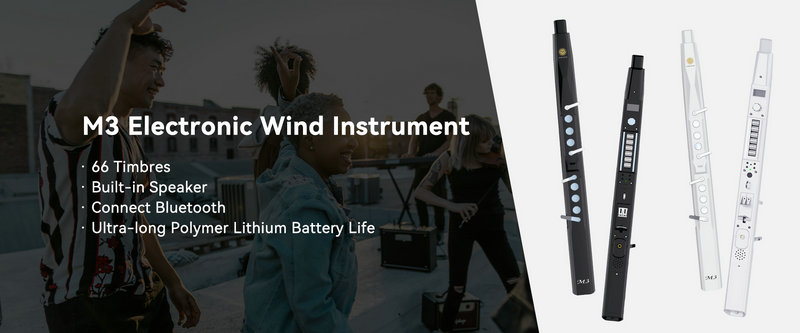
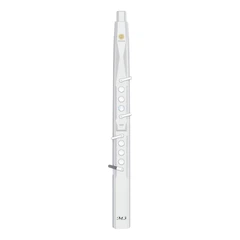
SUNRISE MELODY M3 Electronic Wind Instrument - The best-selling Electronic Wind Instrument
. 66 Timbres
. Built-in Speaker
. Connect Bluetooth
. Ultra-long Polymer Lithium Battery Life