

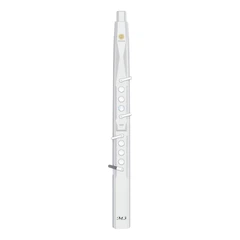

The Electric Saxophone: A Convenient Practice Tool
Introduction
The electric saxophone has emerged as a remarkable musical instrument that offers numerous advantages, especially when it comes to practice. In this extensive exploration, we will delve into the various aspects that make the electric saxophone an ideal choice for musicians at different skill levels.
Design and Construction Features Facilitating Practice
The design of the electric saxophone incorporates several elements that are conducive to practice. Firstly, its lightweight and often ergonomic build make it comfortable to hold for extended periods. Unlike some traditional saxophones that can cause fatigue during long practice sessions, the electric version's design takes into account the player's physical comfort. For example, the materials used in its construction are carefully selected to reduce the overall weight without sacrificing durability.
The key layout is another important aspect. It closely resembles that of the traditional saxophone, which allows players who are already familiar with the acoustic instrument to transition smoothly. This similarity in key design enables quick muscle memory development, reducing the learning curve when starting to practice on the electric saxophone. Moreover, the keys are usually designed with a smooth action, ensuring that the player can execute fast passages with ease and precision during practice.
Sound and Tone Adjustability for Practice Purposes
One of the most significant advantages of the electric saxophone as a practice tool is its sound and tone adjustability. It comes equipped with a range of built - in sound modules and tone controls. Beginners can use these features to correct and improve their intonation. For instance, if a player is having trouble producing a particular note in tune, they can adjust the pitch electronically until they get the correct sound. This instant feedback helps in developing a better sense of pitch over time.
The tone controls also allow for experimentation. Players can adjust the brightness, warmth, and other tonal qualities of the sound. This is particularly useful during practice as it enables them to explore different musical styles. For example, if a player wants to practice a jazz piece, they can adjust the tone to have a warmer, more mellow sound associated with jazz saxophone playing. On the other hand, for a more contemporary or pop - influenced piece, they can make the tone brighter and more edgy. This versatility in tone shaping not only makes practice more interesting but also helps in developing a broader musical palette.
Connectivity Options for Enhanced Practice
The electric saxophone offers various connectivity options that greatly enhance the practice experience. Many models have a headphone jack, which allows for silent practice. This is invaluable, especially in situations where noise may be a concern, such as in an apartment or late at night. With headphones connected, the player can focus on their practice without disturbing others. Additionally, some advanced electric saxophones can be connected to a computer or a music production software via MIDI (Musical Instrument Digital Interface). This connection enables the player to record their practice sessions, analyze their playing, and even use software - based training tools. For example, there are MIDI - compatible applications that can provide visual feedback on note accuracy, rhythm, and dynamics. This kind of detailed analysis helps the player identify areas for improvement and track their progress over time.
Cost - Effectiveness and Accessibility
In terms of cost - effectiveness, the electric saxophone presents an attractive option. While there are high - end models available, there are also more affordable ones that offer good quality for beginners. Compared to some traditional saxophones, especially those made from precious metals or with high - end craftsmanship, the electric saxophone can be a more budget - friendly choice. This affordability makes it accessible to a wider range of people who are interested in learning to play the saxophone. It also means that more people can have the opportunity to practice and develop their skills without having to make a significant financial investment upfront.
Moreover, the availability of electric saxophones in the market has increased in recent years. They can be easily purchased from music stores, both online and offline. This wide availability ensures that players can get the instrument they need for practice without having to search far and wide. Additionally, the maintenance requirements of the electric saxophone are often less complex and costly compared to traditional saxophones. There are no reeds to constantly replace (although some electric saxophones may have optional reed - based elements for a more traditional feel), and the cleaning and upkeep procedures are relatively straightforward.
Educational Benefits in Practice
The electric saxophone has several educational benefits during practice. For music students in schools or private lessons, it can be a great tool for learning music theory in a practical way. The ability to adjust the pitch and tone can be used to demonstrate concepts such as harmony, melody, and timbre. Teachers can use the electric saxophone to create interactive learning experiences, for example, by asking students to adjust the tone to match a specific musical example or to create their own unique sounds based on a given set of instructions.
In addition, the connectivity options for recording and analysis can be integrated into the educational process. Teachers can review students' recorded practice sessions and provide detailed feedback. This digital approach to teaching and learning saxophone playing can enhance the learning efficiency and motivation of students. It also allows for more personalized instruction as the teacher can identify the specific strengths and weaknesses of each student based on the analysis of their practice recordings.
Adaptability to Different Musical Genres in Practice
The electric saxophone's adaptability to different musical genres makes it an excellent practice tool. In a practice session focused on classical music, the player can use the instrument's tone controls to achieve a sound that is similar to that of a traditional classical saxophone. They can work on pieces by composers such as Debussy or Ravel, imitating the delicate and refined tone required for this genre. When switching to a practice session for rock or pop music, the electric saxophone can be adjusted to produce a more powerful and edgy sound. It can be used to play along with popular rock or pop songs, adding a unique saxophone flavor to the music.
This ability to adapt to various genres within a single instrument encourages players to explore different styles of music during practice. It broadens their musical horizons and helps them develop a more versatile playing technique. For example, a player who initially focused only on jazz may discover a new love for playing in a rock context after experimenting with the different tone settings on the electric saxophone.
Social and Collaborative Practice Opportunities
The electric saxophone also opens up social and collaborative practice opportunities. With its ability to connect to other electronic music devices, players can engage in jam sessions with other musicians remotely. Through online platforms and software that support multi - instrument connections, saxophone players can collaborate with guitarists, drummers, and keyboardists from different locations. This virtual collaboration not only enhances the practice experience but also exposes the saxophone player to different musical perspectives and playing styles.
In local music communities, electric saxophone players can also participate in group practices and performances. The instrument's unique sound and modern features can add a new dimension to group musical arrangements. For example, in a community band or an experimental music group, the electric saxophone can be used to create innovative and exciting musical textures that blend well with other instruments.
Overcoming Challenges in Practice with the Electric Saxophone
While the electric saxophone offers many advantages for practice, there are also some challenges that players may face. One of the main challenges is getting used to the electronic sound generation. Some players who are accustomed to the natural sound of a traditional saxophone may initially find the electronic tone of the electric saxophone to be somewhat artificial. However, with continued practice and experimentation with the tone controls, they can learn to appreciate and manipulate the unique sound qualities of the electric instrument.
Another challenge can be technical issues related to connectivity and electronics. For example, there may be problems with MIDI connections, software compatibility, or issues with the internal electronics of the saxophone. However, most of these issues can be resolved through proper setup, regular maintenance, and by referring to the user manual or seeking technical support from the manufacturer. It is important for players to be patient and persistent when dealing with these technical challenges as they work towards maximizing the benefits of the electric saxophone for their practice.
Conclusion
In conclusion, the electric saxophone is truly a convenient practice tool. Its design, sound adjustability, connectivity options, cost - effectiveness, educational benefits, adaptability to different genres, and social opportunities make it an outstanding choice for saxophone players at all levels. Despite the few challenges that may arise, the overall advantages far outweigh the drawbacks. Whether for a beginner starting their musical journey or an experienced player looking to expand their skills and explore new musical territories, the electric saxophone offers a world of possibilities for practice and musical growth. It has revolutionized the way saxophone players practice, making the process more engaging, efficient, and accessible than ever before. As the technology behind electric saxophones continues to evolve, we can expect even more exciting features and improvements that will further enhance its status as a premier practice instrument in the world of music.
SUNRISE MELODY M1 Electronic Wind Instrument
. Revisit the passion and dreams of youth
. M1 electric clarinet wind instrument -- The good news for beginners
. Rich and diverse timbres
. Powerful functions and easy operation
. Perfect after-sales service
