
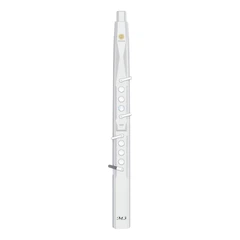


In the realm of music, musicians often explore different instruments to expand their musical horizons. The question of whether a digital saxophone is suitable for flute players is an interesting one that warrants a detailed examination.
I. Characteristics of Digital Saxophones and Flutes
A. Digital Saxophones
Advanced Technology
Digital saxophones utilize advanced digital technology to produce sound. They often have features such as multiple sound presets, built-in effects processors, and the ability to connect to other digital devices. This allows for a wide range of tonal possibilities and creative expression.
Portability
Compared to traditional acoustic saxophones, digital saxophones are generally more portable. They are often lighter in weight and may be battery-powered, making them convenient for on-the-go musicians.
Ease of Use
Digital saxophones can be easier to play in some ways. For example, they may have adjustable keys and settings that can be customized to fit the player's needs. Additionally, the digital nature of the instrument can make it more forgiving in terms of intonation and pitch.
Sound Quality
The sound quality of digital saxophones can vary depending on the model and brand. Some digital saxophones offer high-quality sound that is comparable to traditional instruments, while others may have a more synthetic or electronic sound.
B. Flutes
Graceful Tone
Flutes produce a graceful and delicate tone. The sound is known for its purity and clarity, and can range from soft and soothing to bright and lively.
Technical Demands
Playing the flute requires a high level of technical skill. Flutists must master breath control, finger dexterity, and embouchure to produce a beautiful sound.
Versatility
Flutes are versatile instruments that can be used in a variety of musical genres, including classical, jazz, and world music.
Portability
Flutes are relatively portable instruments, although they may be more fragile than digital saxophones.
II. Similarities between Digital Saxophones and Flutes
A. Breath Control
Both digital saxophones and flutes require good breath control. Players need to manage their breathing to produce a steady stream of air and control the volume and tone of the sound.
B. Finger Dexterity
Both instruments demand a certain level of finger dexterity. Flutists use their fingers to cover and uncover the holes on the flute, while digital saxophone players use keys to produce different notes.
C. Musical Expression
Both digital saxophones and flutes offer opportunities for musical expression. Players can use dynamics, articulation, and phrasing to convey emotions and tell a story through their music.
III. Differences between Digital Saxophones and Flutes
A. Sound Characteristics
The sound of a digital saxophone is often different from that of a flute. Digital saxophones can produce a wide variety of sounds, including traditional saxophone tones as well as synthesized and electronic sounds. Flutes, on the other hand, have a more natural and organic sound.
B. Playing Technique
The playing techniques for digital saxophones and flutes are also different. Digital saxophone players may use different fingerings and embouchure techniques compared to flutists. Additionally, the digital nature of the instrument may require players to be familiar with digital interfaces and settings.
C. Musical Genre
Digital saxophones are often associated with modern and contemporary music genres such as jazz, pop, and electronic music. Flutes, on the other hand, are commonly used in classical music and traditional music genres.
IV. Advantages of Digital Saxophones for Flute Players
A. Expanded Musical Horizons
Playing a digital saxophone can expand the musical horizons of a flute player. It allows them to explore different sounds and genres, and can inspire new creative ideas.
B. Portability and Convenience
The portability of digital saxophones makes them convenient for flute players who may need to travel or perform in different locations. They can easily be taken on the go and set up quickly.
C. Access to New Technologies
Digital saxophones offer access to new technologies such as built-in effects processors and MIDI connectivity. This can open up new possibilities for music production and collaboration.
D. Ease of Learning
For some flute players, the digital saxophone may be easier to learn than a traditional saxophone. The adjustable keys and settings can make it more accessible for beginners.
V. Challenges of Digital Saxophones for Flute Players
A. Adjustment to New Playing Technique
Flute players may need to adjust to the different playing technique of a digital saxophone. This can take time and practice to master.
B. Sound Quality Preferences
Some flute players may prefer the natural sound of a flute and find the digital sound of a saxophone less appealing.
C. Cost
Digital saxophones can be more expensive than traditional instruments, which may be a consideration for some flute players.
D. Reliance on Technology
Digital saxophones rely on technology, which can sometimes be unreliable. Battery life, software glitches, and connectivity issues can all affect the performance of the instrument.
VI. How Flute Players Can Adapt to Digital Saxophones
A. Take Lessons
Flute players who are interested in playing a digital saxophone can take lessons from a qualified instructor. This can help them learn the proper playing technique and get familiar with the instrument.
B. Experiment and Explore
Flute players can experiment with different sounds and settings on the digital saxophone to find what works best for them. They can also explore different musical genres and styles to expand their musical repertoire.
C. Practice Regularly
As with any instrument, regular practice is essential for mastering the digital saxophone. Flute players can set aside time each day to practice and improve their skills.
D. Collaborate with Other Musicians
Collaborating with other musicians who play digital saxophones or other instruments can be a great way to learn and grow as a musician. It can also inspire new creative ideas and lead to new musical opportunities.
VII. Conclusion
In conclusion, the digital saxophone can be a suitable instrument for flute players, but it depends on individual preferences and musical goals. While there are similarities between the two instruments in terms of breath control and finger dexterity, there are also significant differences in sound characteristics, playing technique, and musical genre. Flute players who are interested in exploring a digital saxophone should be prepared to adjust to a new playing technique and sound, and may need to invest time and effort in learning the instrument. However, the benefits of playing a digital saxophone, such as expanded musical horizons, portability, and access to new technologies, can make it a worthwhile addition to a musician's toolkit.
SUNRISE MELODY M1 Electronic Wind Instrument
. Revisit the passion and dreams of youth
. M1 electric clarinet wind instrument -- The good news for beginners
. Rich and diverse timbres
. Powerful functions and easy operation
. Perfect after-sales service


