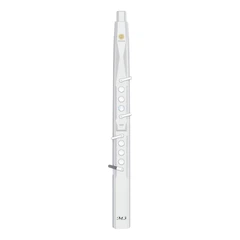

Frequent switching of EWI sounds can potentially cause several problems, although the extent of these issues may vary depending on the instrument's design, quality, and how it is used. Here are some possible problems:
1. Audio Glitches or Dropouts
Processing Overload: When you switch sounds frequently, the EWI's internal sound processing system has to quickly load and initialize new sound patches. If the instrument's processor is not powerful enough or if the sound libraries are complex, this rapid switching can cause momentary glitches in the audio output. These glitches can manifest as brief interruptions, pops, or clicks in the sound, which can be quite noticeable and disrupt the smooth flow of the music.
Memory Management Issues: Each sound patch requires a certain amount of memory to store and access its associated data. Frequent switching may put a strain on the instrument's memory management, especially if the available memory is limited. This can lead to situations where the instrument struggles to load the next sound in time, resulting in audio dropouts or incorrect sound playback.
2. Unnatural Sound Transitions
Lack of Smoothness: Even if there are no audio glitches, the transition between different sounds may not be entirely smooth. Some EWIs may have a noticeable delay or a sudden change in the sound characteristics when switching, which can make the music sound disjointed. For example, the attack, decay, or sustain of the sound may change abruptly, affecting the overall musical expression and making it difficult to achieve a seamless and natural-sounding performance.
Tonal Inconsistency: Different sound patches may have different tonal qualities, such as brightness, warmth, or resonance. Frequent switching between sounds with contrasting tonal characteristics can create an inconsistent sonic palette, making it challenging to maintain a unified and harmonious sound throughout a piece of music.
3. Sensor and Key Response Issues
Calibration and Sensitivity Changes: Some EWIs may require recalibration or adjustment of sensor sensitivities when switching sounds, especially if the new sound has different playing characteristics or requires a different level of breath or finger pressure. Failure to do so may result in inaccurate sensor readings, leading to incorrect notes being triggered or inconsistent volume and pitch control.
Key Lag or Double Triggering: The mechanical and electrical components of the EWI's keys may also be affected by frequent sound switching. In some cases, the keys may exhibit a slight lag or double triggering problems, where a single key press is registered as multiple notes. This can be particularly frustrating during fast passages or when playing complex musical phrases.
4. User Fatigue and Confusion
Cognitive Load: Constantly switching sounds requires the player to keep track of which sound is currently selected and anticipate the changes in playing technique required for each sound. This can increase the cognitive load on the player, especially during a live performance, and may lead to mistakes or a less fluid performance.
Muscle Memory Disruption: Musicians develop muscle memory for the fingerings and breathing patterns associated with specific sounds. Frequent sound switching can disrupt this muscle memory, making it more difficult to play accurately and with confidence. It may take time for the player to adjust to the new fingerings and breathing requirements each time a sound is changed, which can slow down the learning and performance process.
SUNRISE MELODY M3 Electronic Wind Instrument - The best-selling Electronic Wind Instrument
. 66 Timbres
. Built-in Speaker
. Connect Bluetooth
. Ultra-long Polymer Lithium Battery Life