

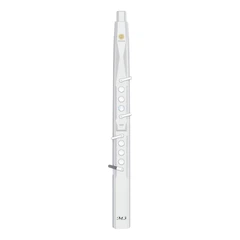

Introduction to the "Brass" Tone and Fingering of the Sunrise Melody Electric Saxophone
Tone
Bright and Powerful: The "brass" tone of the Sunrise Melody Electric Saxophone is highly penetrating. It has a bright and metallic timbre. When playing, this tone can stand out among a variety of instruments. It is extremely suitable for playing passionate and enthusiastic melodies and can create a strong atmosphere, bringing an exciting feeling to the audience. For example, when playing music in a march style, the "brass" tone can effectively express the heroic and resolute nature of the music.
Highly Adjustable: The Sunrise Melody Electric Saxophone allows you to adjust various parameters to modify the characteristics of the "brass" tone. For example, you can adjust the brightness, saturation, and reverb of the tone so that it better suits the player's needs and the style of the music. For instance, when playing a slow - tempo lyrical piece, you can appropriately reduce the brightness and saturation of the tone to make it softer; when playing a fast - tempo cheerful piece, you can increase the brightness and saturation to make it more vibrant.
Unique Expressiveness: The "brass" tone is capable of expressing a wide range of emotions and musical styles. It can play solemn and magnificent music, such as the brass section in a symphony, and can also play light - hearted and lively music, such as the brass instrument performance in jazz. This diversity makes the "brass" tone widely used in various musical styles.
Fingering
Basic Fingering
Left - Hand Part: The left - hand thumb usually serves to support the instrument, and the remaining four fingers are responsible for pressing different keys to control the pitch. For example, the left - hand index finger, middle finger, and ring finger press on specific keys of the instrument to play different scales. During the performance, the pressing force and speed of the left - hand fingers will affect the accuracy of the pitch and the change of the tone.
Right - Hand Part: The right - hand fingering mainly assists the left hand to jointly complete the pitch control. The fingers of the right hand also press on some specific keys and cooperate with the left - hand fingering to achieve more complex musical performances. For example, when playing some fast - paced musical passages, the right hand needs to quickly switch keys and work in coordination with the left hand to ensure the fluency of the performance.
Special Fingering Techniques
Glissando Fingering: By sliding the fingers over the keys, a glissando effect can be achieved. This fingering technique can make the music more expressive and add emotional color to the music. For example, when playing some lyrical - style music, the appropriate use of glissando fingering can make the music more touching.
Vibrato Fingering: By quickly alternating between pressing and releasing a certain key, a vibrato effect can be produced. Vibrato fingering can make the music more vivid and enhance the rhythm and appeal of the music. When playing some cheerful music, the use of vibrato fingering can make the music more lively.
Overblowing Fingering: Overblowing refers to a technique in which, through special fingering and breath control, the instrument produces a pitch higher than the normal pitch. This fingering technique requires the player to have a relatively high level of technical skill and breath - control ability, but it can enrich the expressiveness of the music. For example, when playing some high - difficulty music, the use of overblowing fingering can demonstrate the player's technical level.
SUNRISE MELODY M1 Electronic Wind Instrument
. Revisit the passion and dreams of youth
. M1 electric clarinet wind instrument -- The good news for beginners
. Rich and diverse timbres
. Powerful functions and easy operation
. Perfect after-sales service
