

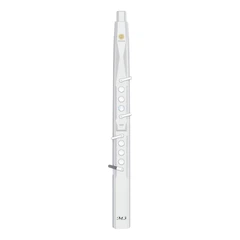

In the process of playing, how can we use the special effects function of the electric saxophone to enhance the expressiveness of music?
The electric saxophone, with its unique set of special effects functions, offers musicians a wealth of opportunities to enhance the expressiveness of their music. These special effects can add depth, texture, and emotion to a performance, taking the listener on a captivating musical journey.
I. Understanding the Special Effects Functions of Electric Saxophones
Electric saxophones typically come equipped with a variety of special effects that can be controlled through onboard buttons, knobs, or digital interfaces. Some common special effects include reverb, delay, distortion, wah-wah, and pitch shifting. Each of these effects has its own distinct characteristics and can be used to create different sonic landscapes.
Reverb, for example, simulates the sound of playing in a particular acoustic space, such as a concert hall or a cathedral. It can add a sense of spaciousness and ambience to the music, making it sound more immersive. Delay creates echoes of the played notes, which can be adjusted in terms of timing and intensity. This effect can be used to create rhythmic patterns or to add a dreamy, ethereal quality to the music.
Distortion can give the sound a grittier, more aggressive tone, similar to that of an electric guitar. It can be used to add intensity and drive to a performance, especially in rock or fusion music styles. Wah-wah is a filter effect that modulates the frequency spectrum of the sound, creating a sweeping, vocal-like quality. Pitch shifting allows the musician to change the pitch of the played notes up or down, which can be used for creating harmonies, adding dissonance, or simply for creating unique melodic effects.
II. Incorporating Special Effects Based on Music Styles
Different music styles call for different uses of special effects. In jazz music, for instance, a subtle amount of reverb can add warmth and depth to the sound without overpowering the natural tone of the saxophone. A touch of delay can be used to create a laid-back, groovy feel, especially during solos. In fusion jazz, distortion or wah-wah effects can be experimented with to add a modern edge and create a more energetic sound.
In classical music, special effects should be used sparingly and with great care. A light amount of reverb can enhance the acoustic feel of a performance, especially in a large hall. However, excessive use of effects can take away from the purity and elegance of classical music. Pitch shifting can be used sparingly for creating special effects in certain compositions, but it should be done in a way that is tasteful and not overly distracting.
In pop music, a wide range of special effects can be used to create a catchy and engaging sound. Delay and reverb can be used to create a big, full sound that fills the space. Distortion can be added for an edgy and modern feel, especially in upbeat pop-rock tracks. Wah-wah effects can be used for adding a funky or soulful quality to the music.
In electronic dance music (EDM), the electric saxophone can be a unique addition to the sound palette. Heavy use of distortion, delay, and filters can create a high-energy, futuristic sound. Pitch shifting can be used to create complex harmonic progressions and build tension in the music.
III. Using Special Effects for Emotional Impact
Special effects can also be used to enhance the emotional impact of a performance. For example, a slow, mournful melody can be made even more poignant with a deep reverb and a touch of delay. The echoes can create a sense of longing and sadness, adding to the emotional depth of the music.
In an upbeat, joyful piece, a bright distortion or a wah-wah effect can add a sense of excitement and celebration. The dynamic changes in the sound can make the music more engaging and infectious, getting the audience on their feet and dancing.
During a dramatic or intense passage, a combination of distortion, delay, and pitch shifting can be used to create a sense of urgency and power. The distorted sound can add a raw energy, while the delay and pitch shifting can create a sense of chaos and unpredictability.
IV. Experimenting and Customizing Special Effects
One of the great advantages of electric saxophones is the ability to experiment and customize the special effects. Musicians can spend time exploring different combinations of effects and adjusting the parameters to find the perfect sound for a particular piece of music.
For example, by combining reverb and delay in different proportions, one can create a wide range of ambient sounds. By adjusting the distortion level and the frequency response of a wah-wah filter, one can create unique tonal colors that suit the mood of the music.
Some electric saxophones also allow for the creation of custom presets, where the musician can save their favorite combinations of effects for quick access during a performance. This can be especially useful for live performances, where quick changes in sound are often required.
V. Balancing Special Effects with Musicality
While special effects can enhance the expressiveness of music, it is important to use them in moderation and balance them with musicality. The effects should not overshadow the melody, harmony, and rhythm of the music, but rather enhance and complement them.
Musicians should listen carefully to the overall sound and make sure that the special effects are adding value to the music and not detracting from it. They should also be aware of the context of the performance and the audience's expectations. In some settings, a more subtle use of effects may be appropriate, while in others, a more bold and experimental approach may work.
In conclusion, the special effects functions of electric saxophones offer a powerful tool for musicians to enhance the expressiveness of their music. By understanding the different effects, incorporating them based on music styles, using them for emotional impact, experimenting and customizing, and balancing them with musicality, musicians can create captivating performances that leave a lasting impression on the audience.
SUNRISE MELODY M1 Electronic Wind Instrument
. Revisit the passion and dreams of youth
. M1 electric clarinet wind instrument -- The good news for beginners
. Rich and diverse timbres
. Powerful functions and easy operation
. Perfect after-sales service
