
Evaluating a person's playing level of electric wind instruments can be done from the following aspects:
Technical Proficiency
Finger Dexterity: Observe the accuracy and speed with which they can move their fingers to press the keys or buttons. Can they execute complex passages and rapid runs without errors? For example, a player with high finger dexterity can play intricate melodies with ease.
Breath Control: Assess how well they control their breath to produce a consistent sound. Can they vary the volume, tone, and duration of notes through precise breath manipulation? A good player can create smooth transitions between different dynamics and sustain notes for long periods.
Pitch Accuracy: Check if they can play in tune. Are their notes consistently on pitch, or do they frequently produce flat or sharp tones? Pitch accuracy is crucial for a pleasing musical performance.
Musical Expression
Dynamics: Look for the ability to use a wide range of volume levels, from soft and delicate to loud and powerful. Can they create contrast and build tension through dynamic changes? A skilled player can make the music come alive by using dynamics effectively.
Tone Quality: Listen to the quality of their sound. Is it rich, full, and expressive? Can they vary the tone color by using different playing techniques or settings on the instrument? A good tone quality adds depth and emotion to the performance.
Phrasing and Articulation: Notice how they shape phrases and articulate notes. Do they play with a sense of rhythm and phrasing that makes the music flow naturally? Skilled players can use articulation techniques such as staccato, legato, and accents to add character to their playing.
Musicality and Creativity
Musical Interpretation: Evaluate how they interpret a piece of music. Do they bring out the emotions and intentions of the composer? Can they add their own personal touch while staying true to the style and spirit of the music? A good interpreter can make a familiar piece sound fresh and engaging.
Improvisation and Creativity: If applicable, observe their ability to improvise. Can they create spontaneous melodies and harmonies that fit within the context of the music? Creativity and improvisation skills show a higher level of musical understanding and individuality.
Stage Presence and Performance Skills
Confidence and Poise: Watch for their stage presence and confidence. Do they perform with assurance and engage the audience? A confident performer can draw the audience into the music and create a memorable experience.
Performance Skills: Consider their overall performance skills, such as posture, hand position, and breathing technique. A good performer not only sounds good but also looks comfortable and professional while playing.
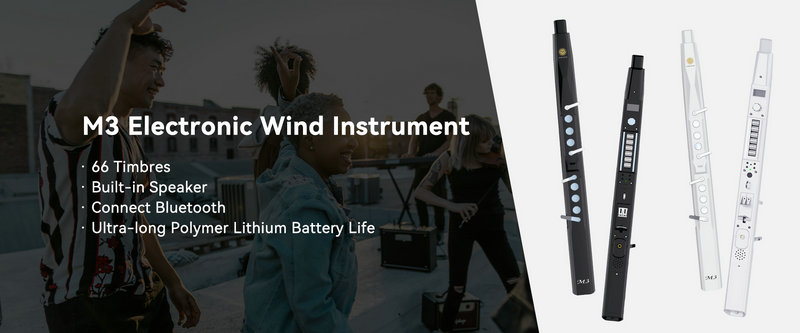
SUNRISE MELODY M3 Electronic Wind Instrument - The best-selling Electronic Wind Instrument
. 66 Timbres
. Built-in Speaker
. Connect Bluetooth
. Ultra-long Polymer Lithium Battery Life