
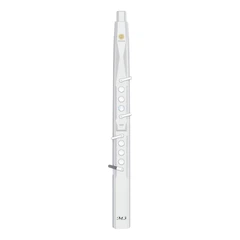


1. **The difference between fingering of electric wind instruments/electronic-wind-instrument/electric-saxophone-ewi.html and traditional wind instruments**
- **Key layout and function differences**:
- The sound holes or key layout of traditional wind instruments such as bamboo flute, flute, saxophone, etc. are usually designed based on the acoustic principles of the instrument itself. For example, the arrangement of the sound holes of the bamboo flute is arranged according to the natural extension position of the fingers, and the pitch is controlled by pressing different combinations of holes; the key layout of the saxophone is more complicated, with many keys of different shapes and functions, mainly to achieve complex scales and timbre changes. The key layout of the electric wind instrument is more designed from the perspective of the convenience of electronic equipment operation and functional diversity. There may be some function keys on the electric wind instrument for timbre switching, vibrato effect addition, etc., which do not exist on traditional wind instruments.
- The fingering changes of traditional wind instruments often directly change the length or vibration mode of the air column inside the instrument to change the pitch. For example, on the flute, by turning on or off different key combinations, the effective length of the air column is changed, thereby producing different pitches. Although the electric blowpipe also controls pitch by pressing keys, it converts the keystrokes into electronic signals, and the pitch is determined by the internal circuit and software. This conversion process is relatively indirect.
- **Different fingering flexibility and complexity**:
- Some traditional wind instruments have strict rules for fingering, and you may need to master multiple fingering systems when playing different modes. For example, in bamboo flute performance, different modes have different fingerings, such as tube tone 5 and tube tone 2, which need to be learned and practiced separately. The fingering of the electric blowpipe is relatively more flexible because it can easily switch modes through some function keys or internal settings, and does not need to have a complex set of fingering memories for each mode like traditional instruments.
- However, the electric blowpipe also has its complexity. Since it can simulate the timbre of multiple instruments, in order to better simulate the performance effect of a certain traditional instrument, its fingering may borrow the fingering characteristics of the traditional instrument to a certain extent, which requires the performer to understand the basic principles of the fingering of multiple traditional instruments, which increases the complexity of learning.
2. **How to quickly adapt to and master the fingering of the electric blowpipe**
- **Get familiar with the fingering chart and operation manual**:
- After purchasing the electric blowpipe, carefully study the fingering chart and operation manual that come with it. The fingering chart will clearly show the notes and functions corresponding to each key. Understanding these is the basis. You can print out the fingering chart and put it in a place where you can easily see it during practice, and practice at any time. The operation manual will also introduce the use of some special function keys, such as vibrato, glissando, timbre switching and other keys. By reading the operation manual, you will have a comprehensive understanding of the fingering system of the electric blowpipe.
- **Practice from simple repertoires**:
- Choose some simple and familiar repertoires to practice. For example, simple nursery rhymes or folk song melodies, the note span of these songs is relatively small and the rhythm is relatively simple. During the practice process, focus on the use of fingering, and try to press each key accurately according to the fingering chart to play the notes. Each time you practice, play the same song repeatedly to deepen your fingers' memory of the key position and operation sequence.
- **Compare and learn with traditional fingering**:
- If you already have a fingering foundation for traditional wind instruments, find out the similarities and differences between the fingering of electric wind instruments and traditional instruments for comparative learning. For example, if you have a saxophone fingering foundation, observe the parts of the electric wind fingering that are similar to the saxophone fingering, such as the fingering of basic scales, first use the familiar parts to build confidence, and then focus on conquering different parts, such as the fingering of the function keys unique to the electric wind.
- **Perform special fingering exercises**:
- You can improve your proficiency through some specially designed fingering exercises. For example, practice scales, starting with a simple C major scale, and play different scales up or down in sequence. Pay attention to the consistency and accuracy of the finger movements during the practice. You can also practice arpeggios, which can train the fingers to quickly switch between different keys and improve the flexibility of fingering.
- **Use teaching videos and software to assist learning**:
- There are many electric wind fingering teaching videos on the Internet, which are usually made by professional teachers or experienced performers. Watching these videos can more intuitively understand the operation process of fingering and learn some skills and precautions. At the same time, some electronic wind instrument learning software can simulate fingering exercises and provide real-time feedback to help performers correct incorrect fingering in time.
/electronic-wind-instrument/electric-saxophone-ewi.html


