


Title: The Sonic Landscape of Electric Wind Instruments: A Modern Musical Odyssey
Introduction
The world of music is ever-evolving, with technology playing an increasingly significant role in shaping the soundscapes of contemporary compositions. One such innovation that has captured the imagination of musicians and listeners alike is the electric wind instrument (EWI). These instruments, with their unique blend of traditional wind playing techniques and cutting-edge electronic sound processing, have opened up new frontiers in musical expression. This article delves into the sonic characteristics of electric wind instruments, exploring how they produce sound and the diverse tonal palettes they offer.
The Sound of Innovation
At the heart of an electric wind instrument is a sophisticated electronic system that transforms the player's breath into a vast array of sounds. The process begins with the player blowing into a mouthpiece, similar to that of a traditional wind instrument. However, instead of vibrating air through a resonant chamber, the EWI's sensor detects the airflow and translates it into an electronic signal.
This signal is then processed through a series of algorithms and sound synthesis techniques, which can include wavetable synthesis, FM synthesis, or physical modeling. These methods allow the EWI to emulate the sounds of traditional instruments with remarkable accuracy or to generate entirely new sonic textures.
The Versatility of Sound
One of the most striking features of electric wind instruments is their versatility. Musicians can program EWIs to reproduce the sounds of a wide range of instruments, from the warm, rich tones of a saxophone to the bright, clear timbre of a flute. Moreover, these instruments can also produce synthetic sounds that defy categorization, blending organic and electronic elements into a seamless auditory experience.
The sound of an EWI is not limited to the emulation of existing instruments. With the ability to manipulate parameters such as pitch, timbre, and dynamics in real-time, musicians can create unique soundscapes that push the boundaries of traditional music. The EWI's sound can be further enhanced through effects processing, such as reverb, delay, and distortion, adding layers of depth and complexity to the performance.
The Role of the Player
Despite the advanced technology at their disposal, the musicians remain a crucial element in shaping the sound of an electric wind instrument. The player's breath control, embouchure, and fingering all influence the tone and expressiveness of the instrument. The EWI responds to the subtle nuances of the player's technique, allowing for a level of expressiveness that is often associated with acoustic instruments.
Furthermore, the player can interact with the EWI's controls to shape the sound in real-time, adding a dynamic and interactive element to the performance. This level of control enables musicians to explore new sonic territories and to adapt their sound to suit the demands of different musical styles and genres.
Conclusion
The electric wind instrument represents a fusion of tradition and innovation, offering musicians a powerful tool for creative expression. The sounds produced by these instruments are as diverse as the musicians who play them, ranging from the familiar to the otherworldly. As technology continues to advance, the potential for new and exciting sounds from electric wind instruments is limitless, promising a future filled with musical discoveries and adventures. Whether used in the context of classical music, jazz, electronica, or any other genre, the EWI stands as a testament to the enduring power of human creativity and the endless possibilities of sound.
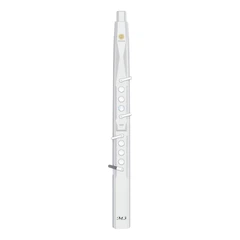
Model: XR3000
Timbre: 60 types
Five octaves metal roller
Bluetooth connection
4 fingering modes available to select
