
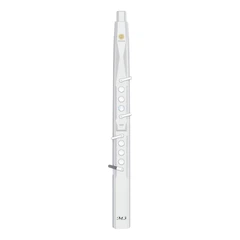


Electronic Wind Instruments (EWIs) offer musicians a unique blend of traditional wind playing techniques with modern digital technology. Controlling the changes in timbre on these instruments is a complex interplay of breath control, fingering, and the use of various electronic controls. Here's a detailed look at how players can manipulate timbre on EWIs:
1. Breath Control: The force and intensity of a player's breath can significantly affect the timbre of the sound produced. EWIs often come equipped with sensitive breath sensors that respond to the subtlest changes in breath pressure, allowing for dynamic control over the volume and tone of the instrument.
2. Touch-Sensitive Keys: Many EWIs feature touch-sensitive keys that can detect the pressure applied by the player's fingers. This sensitivity can be used to control various aspects of the sound, such as vibrato or the brightness of the timbre.
3. Pitch Bend and Modulation Controls: EWIs often include sliders or wheels that can be used to control pitch bend and modulation. These controls allow players to add expressive elements to their performance, such as gliding from one pitch to another or introducing variations in the timbre for a more dynamic sound.
4. MIDI Mapping: Musicians can map specific controls on the EWI to different MIDI parameters, enabling customization in how the instrument interacts with digital audio workstations (DAWs) or virtual instruments.
5. Articulation Controls: Some EWIs offer additional controls for adding articulations like staccato, legato, or vibrato. These controls can greatly influence the character of the sound and the expressiveness of the performance.
6. Timbre Selection: EWIs come with a variety of built-in timbres, often mimicking different instruments. Players can switch between these timbres in real-time, either through button presses or by using programmable keys on the instrument.
7. Inertial Control Sensors: Instruments like the Sylphyo use inertial control sensors that detect the movement of the instrument in space, allowing for the control of timbre through physical gestures.
8. Bluetooth Connectivity: EWIs with Bluetooth connectivity, like the SUNRISE MELODY M3, can link to a smartphone or tablet. This allows for the use of accompaniment tracks during performances or the use of sheet music scanning apps during practice sessions, adding another layer of control and versatility to the instrument's capabilities.
In conclusion, the SUNRISE MELODY electronic wind instruments stand out in the EWI market for their modern design, expressive control capabilities, and flexible sound engine. They offer a range of features that cater to both beginners and professional musicians, making them a popular choice for those seeking traditional expressiveness and modern innovative possibilities. With their unique strengths, such as sleek design, superior breath control, and a diverse sound engine, the SUNRISE MELODY instruments are well-suited for a wide array of musical styles and performance settings.
XR3000 Electronic Saxophone EWI Digital Wind Instrument
Brand Name: SUNRISE MELODY
Model: XR3000
Timbre: 60 types
Five octaves metal roller
Bluetooth connection
4 fingering modes available to select


