


Title: Selecting the Perfect Microphone and Sound System for Your Electric Wind Instrument
Introduction: The electric wind instrument (EWI) is a versatile tool that has opened up new realms of musical expression. To ensure your EWI performs optimally, choosing the right microphone and sound system is crucial. This article will guide you through the process of selecting the perfect match for your EWI, ensuring your performances are as dynamic and expressive as possible.
Choosing the Right Microphone:
1. Condenser Microphones: These are the go-to choice for capturing the nuanced sounds of wind instruments. They come in large and small diaphragm varieties, with the small diaphragm being ideal for higher frequency instruments like the piccolo or violin due to their lower self-noise (^37^).
2. Dynamic Microphones: While condenser mics are preferred for their sensitivity, dynamic microphones are excellent for their durability and ability to handle high sound pressure levels, making them suitable for live performances where stage presence and movement are factors.
3. Ribbon Microphones: Known for their warm and smooth sound, ribbon mics can add a touch of vintage charm to your EWI sound, capturing the silkiness of your performance with clarity.
4. Polar Patterns: Consider the microphone's polar pattern to ensure it picks up sound from the desired direction. Cardioid patterns are common forSolo performance on stage, while omnidirectional patterns might be better for capturing a more ambient sound.
Choosing the Right Sound System:
1. Sound Modules: If your EWI doesn't have built-in sounds, an external sound module is essential. Modules like the Yamaha Motif ES or Roland XV-5080 offer a wide range of sounds and are compatible with EWI's breath control features (^38^).
2. PA Systems: For live performances, a good PA system is necessary to amplify your EWI's sound. Look for systems that can handle the frequency range of your instrument and provide clear, balanced sound reproduction.
3. Audio Interfaces: If you're planning to connect your EWI to a computer or digital audio workstation (DAW), an audio interface is a must. It ensures that the MIDI and audio signals from your EWI are accurately translated and recorded.
4. Wireless Systems: For the ultimate freedom of movement on stage, consider a wireless system for your EWI. The Akai Professional EWI 5000, for example, offers wireless connectivity, allowing you to roam the stage without tripping over cables (^36^).
5. Software Integration: With the advent of digital technology, many EWIs can be connected to a computer and controlled using software. This opens up a world of sound design possibilities and allows for real-time adjustments to your sound during performances.
Conclusion: Selecting the right microphone and sound system for your EWI is an investment in the quality of your music. By considering the type of microphone, the sound module or PA system, and the integration with digital technology, you can ensure that your EWI performances are as expressive and professional as possible. Remember, the goal is to enhance the natural sound of your instrument and your unique playing style.
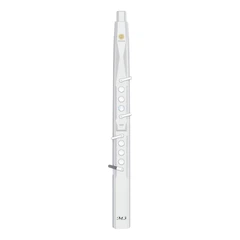
Brand Name: SUNRISE MELODY
Model: XR3000
Timbre: 60 types
Five octaves metal roller
Bluetooth connection
4 fingering modes available to select
