

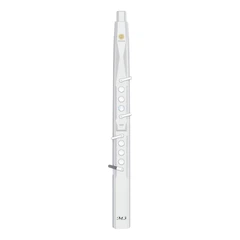

The playing comfort of a digital saxophone is an important factor that can greatly affect a musician's performance and enjoyment. Evaluating the playing comfort of a digital saxophone involves considering several aspects, including physical design, ergonomics, weight, key action, and more. In this article, we will explore these factors in detail and provide guidance on how to assess the playing comfort of a digital saxophone.
I. Physical Design and Ergonomics
A. Instrument Size and Shape
The size and shape of a digital saxophone can have a significant impact on playing comfort. A well-designed instrument should be proportionate and comfortable to hold. Consider the length, width, and thickness of the saxophone and how it fits in your hands and against your body. A digital saxophone that is too large or bulky may be difficult to handle and can cause fatigue during extended playing sessions.
B. Mouthpiece Design
The mouthpiece is an essential part of the digital saxophone and can greatly affect playing comfort. Look for a mouthpiece that is comfortable to hold and that fits well in your mouth. Consider the shape, size, and material of the mouthpiece. A mouthpiece that is too hard or uncomfortable can cause discomfort and affect your ability to play with precision.
C. Key Layout and Placement
The key layout and placement on a digital saxophone should be ergonomic and easy to reach. Keys that are too small, too far apart, or in awkward positions can make it difficult to play with speed and accuracy. Consider the spacing between keys, the height of the keys, and the angle at which they are positioned. A well-designed key layout can enhance playing comfort and improve your overall performance.
II. Weight and Balance
A. Instrument Weight
The weight of a digital saxophone can affect playing comfort, especially during long practice sessions or performances. A lightweight instrument is easier to hold and maneuver, but it may lack the stability and resonance of a heavier instrument. Consider your personal preferences and playing style when evaluating the weight of a digital saxophone. Some musicians prefer a lighter instrument for portability, while others prefer a heavier instrument for a more substantial feel.
B. Balance
The balance of a digital saxophone is also important for playing comfort. An instrument that is well-balanced will feel stable in your hands and will not tip or wobble when you play. Consider the distribution of weight throughout the instrument and how it affects the balance. A digital saxophone with a good balance can reduce fatigue and improve your playing experience.
III. Key Action and Responsiveness
A. Key Action
The key action of a digital saxophone refers to the feel and responsiveness of the keys when pressed. A smooth and consistent key action is essential for playing with precision and expression. Look for keys that are easy to press and that have a good tactile feedback. Consider the resistance of the keys and how they respond to different playing techniques.
B. Responsiveness
The responsiveness of a digital saxophone is also important for playing comfort. An instrument that responds quickly and accurately to your playing can enhance your musical expression and creativity. Consider the speed and accuracy of the instrument's response to your breath control, finger placement, and other playing techniques. A responsive digital saxophone can make it easier to play with dynamics and expressiveness.
IV. Sound Quality and Volume Control
A. Sound Quality
The sound quality of a digital saxophone can affect playing comfort in several ways. A good-quality sound can be more enjoyable to listen to and can inspire you to play better. Consider the tone, timbre, and volume of the instrument. A digital saxophone with a rich and full sound can enhance your playing experience and make it more enjoyable.
B. Volume Control
The ability to control the volume of a digital saxophone is also important for playing comfort. A digital saxophone with adjustable volume settings can be played in different environments without disturbing others. Consider the range of volume control available on the instrument and how easy it is to adjust. A digital saxophone with good volume control can be used in a variety of settings, from quiet practice rooms to loud stages.
V. Accessories and Customization Options
A. Accessories
Accessories such as straps, cases, and stands can also affect playing comfort. Look for accessories that are comfortable to use and that enhance the functionality of the instrument. Consider the quality and durability of the accessories and how they fit with your playing style.
B. Customization Options
Some digital saxophones offer customization options that can enhance playing comfort. For example, you may be able to adjust the key layout, mouthpiece size, or other features to suit your individual needs. Consider the customization options available on the instrument and how they can improve your playing experience.
VI. Conclusion
Evaluating the playing comfort of a digital saxophone involves considering several factors, including physical design, ergonomics, weight, key action, sound quality, volume control, accessories, and customization options. By taking these factors into account, you can choose an instrument that is comfortable to play and that meets your specific needs and preferences. Whether you are a beginner or an experienced musician, playing comfort is essential for enjoying the saxophone and achieving your musical goals.
SUNRISE MELODY M1 Electronic Wind Instrument
. Revisit the passion and dreams of youth
. M1 electric clarinet wind instrument -- The good news for beginners
. Rich and diverse timbres
. Powerful functions and easy operation
. Perfect after-sales service
