
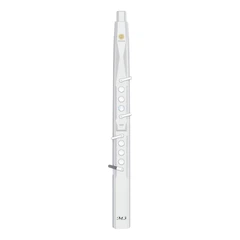


The digital saxophone, although different from the traditional acoustic saxophone in many ways, still requires proper technique and attention to detail to ensure a seamless playing experience without air leakage. Here are several ways to avoid air leakage when playing the digital saxophone.
I. Understanding the Causes of Air Leakage
Before we can address how to avoid air leakage, it's important to understand the possible causes. Some of the common reasons for air leakage in digital saxophones include:
Improper Embouchure:
An incorrect embouchure can lead to air leakage. If the mouth is not positioned correctly on the mouthpiece or if the pressure is too light or too heavy, air may escape.
For example, if the lips are too loose, air can leak out around the edges of the mouthpiece. On the other hand, if the pressure is too great, it can distort the seal and also cause air to escape.
Faulty Mouthpiece or Ligature:
A damaged or poorly fitting mouthpiece can cause air leakage. If there are cracks or chips in the mouthpiece, air can escape through these imperfections.
Similarly, a ligature that is not tightened properly or is of poor quality can allow air to leak between the mouthpiece and the reed (if applicable).
Instrument Defects:
Digital saxophones, like any instrument, can have manufacturing defects or damage that can lead to air leakage. This could include cracks in the body of the instrument, loose keys, or faulty seals.
For instance, if a key pad is not sealing properly against the tone hole, air will leak out and affect the sound quality.
II. Correct Embouchure Techniques
Mouth Positioning:
To achieve a proper embouchure, start by placing the mouthpiece on the center of your lower lip. The top teeth should rest lightly on the mouthpiece, while the lower lip provides support and seals against the mouthpiece.
Experiment with different positions until you find the one that feels most comfortable and provides the best seal. Remember to keep your jaw relaxed and not tense up.
For example, you can start with a small portion of the mouthpiece in your mouth and gradually increase the amount until you find the right balance.
Lip Tension and Pressure:
Finding the right amount of lip tension and pressure is crucial. Too much tension can cause fatigue and distort the sound, while too little can lead to air leakage.
Practice blowing gently through the mouthpiece without the instrument to get a feel for the right amount of pressure. As you play, adjust the pressure as needed to maintain a consistent sound without air leakage.
For instance, start with a light pressure and gradually increase it until you hear a clear and stable tone. Then, try to maintain that pressure while playing different notes and phrases.
Breath Control:
Proper breath control is essential for avoiding air leakage. Inhale deeply through the nose and fill your lungs completely. When you exhale, use a steady and controlled stream of air to produce the sound.
Avoid exhaling too forcefully or too weakly. A strong blast of air can cause the embouchure to break and lead to air leakage, while a weak exhale may not produce enough sound and can also result in leakage.
For example, practice breathing exercises to improve your lung capacity and control. You can also use a metronome to practice breathing in time with the music and maintaining a consistent airflow.
III. Maintaining the Mouthpiece and Ligature
Inspecting the Mouthpiece:
Regularly inspect your mouthpiece for any signs of damage or wear. Look for cracks, chips, or dents that could affect the seal.
Clean the mouthpiece after each use to remove any saliva or debris that could interfere with the seal. Use a mild soap and warm water and rinse thoroughly.
For instance, if you notice a crack in the mouthpiece, replace it immediately to avoid air leakage.
Tightening the Ligature:
Ensure that the ligature is tightened properly to secure the reed (if applicable) to the mouthpiece. A loose ligature can allow air to leak between the reed and the mouthpiece.
Experiment with different tightness levels to find the one that provides the best seal without distorting the reed. Too tight a ligature can damage the reed and affect the sound quality.
For example, use a ligature wrench to tighten the ligature evenly around the mouthpiece. Check the seal by blowing gently through the mouthpiece and listening for any air leakage.
Choosing the Right Mouthpiece and Ligature:
Select a mouthpiece and ligature that are compatible with your digital saxophone and your playing style. Different mouthpieces and ligatures can have different sealing properties and may affect the amount of air leakage.
Consult with a professional saxophone teacher or music store technician to find the best combination for your needs.
For instance, if you are a beginner, you may want to choose a mouthpiece and ligature that are easier to use and provide a good seal. As you progress, you can experiment with different options to find the one that suits your individual playing style.
IV. Checking and Maintaining the Instrument
Inspecting the Keys and Pads:
Regularly check the keys and pads on your digital saxophone for any signs of damage or wear. Look for loose keys, worn pads, or misaligned parts that could cause air leakage.
Clean the keys and pads with a soft cloth to remove any dirt or debris that could interfere with the seal. Avoid using harsh chemicals or solvents that could damage the instrument.
For example, if you notice a loose key, have it adjusted by a professional technician to ensure a proper seal.
Adjusting the Key Height:
The height of the keys can affect the seal between the pads and the tone holes. If the keys are too high or too low, air may leak.
Use a key height adjustment tool or consult with a professional technician to adjust the key height to the correct level. This will ensure that the pads seal properly against the tone holes and prevent air leakage.
For instance, if you hear a hissing sound when playing a note, it may indicate that the key is not sealing properly. Adjust the key height until the sound disappears.
Lubricating the Keys:
Lubricating the keys can help ensure smooth operation and prevent air leakage. Use a specialized key lubricant or a light oil to lubricate the key mechanisms.
Apply the lubricant sparingly and avoid getting it on the pads or tone holes. Wipe off any excess lubricant to prevent it from attracting dirt and debris.
For example, lubricate the keys once every few months or as needed to keep them working smoothly.
V. Practicing Good Playing Habits
Warm-up Exercises:
Before playing, warm up your embouchure and fingers with some simple exercises. This will help you get into the right playing mindset and prevent air leakage due to muscle tension or stiffness.
Start with long tones, scales, and arpeggios to loosen up your lips and fingers. Gradually increase the difficulty as you warm up.
For example, play a series of long, steady notes on each note of the instrument to focus on your embouchure and breath control. Then, play some simple scales to warm up your fingers.
Slow and Steady Practice:
When learning new pieces or techniques, practice slowly and deliberately. This will help you focus on your technique and avoid air leakage due to rushed playing.
Break down difficult passages into smaller sections and practice each section slowly until you can play it smoothly without air leakage. Then, gradually increase the speed.
For instance, if you are having trouble with a fast passage, slow it down to a tempo where you can play it accurately without air leakage. Then, gradually increase the speed until you can play it at the desired tempo.
Regular Maintenance and Practice:
Regularly maintain your digital saxophone and practice regularly to keep your skills sharp. This will help you avoid air leakage due to neglect or lack of practice.
Set aside time each day to practice and maintain your instrument. Clean it after each use, check for any signs of damage or wear, and address any issues promptly.
For example, make it a habit to clean your instrument and check the keys and pads before each practice session. This will help you catch any potential problems early and prevent air leakage.
In conclusion, avoiding air leakage when playing the digital saxophone requires a combination of proper embouchure, maintaining the mouthpiece and ligature, checking and maintaining the instrument, and practicing good playing habits. By following these guidelines and being vigilant about your technique and instrument maintenance, you can ensure a seamless playing experience without air leakage. With practice and dedication, you can master the digital saxophone and create beautiful music.
SUNRISE MELODY M1 Electronic Wind Instrument
. Revisit the passion and dreams of youth
. M1 electric clarinet wind instrument -- The good news for beginners
. Rich and diverse timbres
. Powerful functions and easy operation
. Perfect after-sales service


