

Improving finger dexterity on digital wind instruments (DWIs) is essential for playing with speed, accuracy, and expressiveness. Here are some tips and exercises to help you enhance your finger dexterity:
Proper Hand Position:
Ensure you have a comfortable and relaxed hand position. Tension can hinder speed and accuracy, so keep your hands and fingers relaxed.
Warm-Up Exercises:
Start with finger warm-ups to increase blood flow and flexibility. Simple exercises like spreading your fingers and then bringing them together can be beneficial.
Scales and Arpeggios:
Practice major and minor scales, as well as arpeggios, to build finger strength and coordination. Start slow and gradually increase speed.
Chromatic Exercises:
Play chromatic passages to improve your ability to move between all the keys on the DWI. This helps with finger independence and agility.
Interval Training:
Practice playing intervals (e.g., thirds, fourths, octaves) to improve your finger's reach and accuracy.
Fingerings Drills:
Work on specific fingerings that are challenging for you. Repeated practice of difficult passages can help to build muscle memory.
Use of a Metronome:
Practice with a metronome to develop a consistent sense of timing and to gradually increase your playing speed.
Rhythmic Variations:
Play scales and melodies with different rhythmic patterns to improve your ability to articulate various musical expressions.
Cross-Fingering Techniques:
Learn and practice cross-fingering techniques to expand your range and flexibility on the DWI.
Articulation Exercises:
Work on legato and staccato articulations to improve your control over the speed and clarity of note transitions.
Finger Agility Drills:
Perform drills that involve rapid finger movements, such as tapping each key quickly in succession.
Slow Practice:
Break down complex passages into smaller sections and practice them slowly. Once you can play them accurately at a slow tempo, gradually increase the speed.
Visualization:
Visualize the finger movements before playing them. This mental practice can help improve muscle memory and coordination.
Consistent Practice:
Regular practice is key to improving finger dexterity. Make sure to dedicate time each day to work on your technique.
Incorporate Music Theory:
Understanding music theory can help you see patterns and structures in the music, making it easier to navigate the DWI's fingerings.
Play Different Styles:
Experiment with different musical styles that require various finger techniques. This can help you become a more versatile player.
Use Technology:
Take advantage of apps or software designed to improve finger dexterity and practice specific exercises.
Seek Professional Guidance:
Consider taking lessons from a professional who can provide personalized guidance and exercises to improve your finger dexterity.
By incorporating these exercises and techniques into your practice routine, you can gradually improve your finger dexterity on digital wind instruments, leading to more fluid and expressive playing.
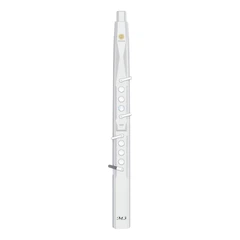
SUNRISE MELODY M3 Electronic Wind Instrument - The best-selling digital wind instruments
. 66 Timbres
. Built-in Speaker
. Connect Bluetooth
. Ultra-long Polymer Lithium Battery Life