


How Are the Multiple Tones of the Electric Saxophone Achieved?
Introduction
The electric saxophone is a unique musical instrument that offers a wide range of tones and sounds. Unlike traditional acoustic saxophones, electric saxophones utilize advanced technology to create and manipulate sounds. In this article, we will explore the various ways in which the multiple tones of the electric saxophone are achieved.
I. Electronic Sound Generation
Digital Synthesis
One of the primary methods of achieving multiple tones on an electric saxophone is through digital synthesis. Digital synthesis involves using computer algorithms and software to generate sounds. The electric saxophone can be connected to a computer or a dedicated sound module that contains various sound synthesis engines.
These synthesis engines can create a vast array of sounds by manipulating parameters such as waveform, frequency, amplitude, and envelope. For example, a sine wave can be used to create a pure tone, while a sawtooth wave can produce a more complex and harsh sound. By adjusting these parameters, musicians can create unique tones and textures that are not possible with traditional acoustic instruments.
Digital synthesis also allows for the creation of custom sounds and presets. Musicians can save and recall their favorite sounds, making it easy to access and use them during performances. Additionally, digital synthesis can be combined with other effects such as reverb, delay, and distortion to further enhance the sound.
Sample Playback
Another way to achieve multiple tones on an electric saxophone is through sample playback. Sample playback involves recording real acoustic instruments or sounds and playing them back through the electric saxophone. The electric saxophone can be equipped with a memory card or internal storage that contains a library of samples.
When a musician plays a note on the electric saxophone, the instrument selects and plays back a corresponding sample. The samples can be of different instruments, such as saxophones, flutes, trumpets, or even non-musical sounds like nature sounds or sound effects. By using sample playback, musicians can access a wide variety of sounds without having to learn to play multiple instruments.
Sample playback can also be customized by adjusting parameters such as pitch, volume, and duration. Musicians can stretch or compress samples to create unique effects or combine multiple samples to create complex sounds. Additionally, sample playback can be synchronized with other musical elements such as drums or bass to create a more cohesive musical performance.
II. Effects and Filters
Reverb and Delay
Reverb and delay are two common effects that can be used to enhance the sound of an electric saxophone. Reverb simulates the sound of a room or space, adding depth and dimension to the sound. Delay creates echoes and repetitions of the sound, adding a sense of space and movement.
These effects can be adjusted to create different types of reverberation and delay, such as small room reverbs, large hall reverbs, or long delays. By using reverb and delay, musicians can create a more immersive and atmospheric sound, adding a new dimension to their performances.
Filtering
Filtering is another technique that can be used to shape the sound of an electric saxophone. Filters can be used to cut or boost specific frequencies, creating different tonal characteristics. For example, a low-pass filter can be used to remove high frequencies and create a warmer, more mellow sound. A high-pass filter can be used to remove low frequencies and create a brighter, more piercing sound.
Filters can also be used in combination with other effects to create unique sounds. For example, a filter can be combined with reverb to create a washed-out, dreamy sound. By experimenting with different filters and effects, musicians can create a wide range of tones and textures.
III. Playing Techniques
Breath Control
Breath control is an important aspect of playing any saxophone, including the electric saxophone. By controlling the amount of air blown into the instrument, musicians can create different dynamics and tonal qualities. A soft breath can produce a gentle, mellow sound, while a strong breath can produce a louder, more intense sound.
Breath control can also be used to create vibrato and other expressive techniques. By varying the speed and intensity of the breath, musicians can add a sense of emotion and expression to their playing.
Fingerings and Key Pressures
The fingerings and key pressures used on the electric saxophone can also affect the tone. Different fingerings can produce different pitches and timbres, while varying the pressure on the keys can create different dynamics and articulations.
Musicians can experiment with different fingerings and key pressures to create unique sounds and textures. Additionally, some electric saxophones may have additional controls or features that can be used to manipulate the tone, such as pitch bend wheels or modulation buttons.
IV. External Devices and Software
MIDI Controllers
MIDI controllers can be used to control the sound of an electric saxophone. MIDI controllers are devices that send MIDI signals to a computer or sound module, allowing musicians to control various parameters such as pitch, volume, and effects.
For example, a MIDI keyboard can be used to play notes on the electric saxophone, while a MIDI foot controller can be used to control effects or change presets. By using MIDI controllers, musicians can expand their creative possibilities and control the sound of the electric saxophone in new ways.
Music Production Software
Music production software can also be used to enhance the sound of an electric saxophone. Software such as digital audio workstations (DAWs) and virtual instruments allow musicians to record, edit, and manipulate their performances.
DAWs can be used to add effects, mix multiple tracks, and create complex musical arrangements. Virtual instruments can be used to access a wide variety of sounds and textures, adding new dimensions to the sound of the electric saxophone. By using music production software, musicians can take their performances to the next level and create professional-quality recordings.
Conclusion
The multiple tones of the electric saxophone are achieved through a combination of electronic sound generation, effects and filters, playing techniques, and external devices and software. By understanding and utilizing these techniques, musicians can create a wide range of sounds and textures, expanding their creative possibilities and enhancing their performances. Whether you are a beginner or an experienced musician, the electric saxophone offers a unique and exciting musical experience that is sure to inspire and delight.
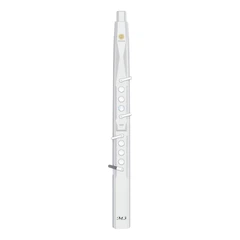
SUNRISE MELODY M1 Electronic Wind Instrument
. Revisit the passion and dreams of youth
. M1 electric clarinet wind instrument -- The good news for beginners
. Rich and diverse timbres
. Powerful functions and easy operation
. Perfect after-sales service
