


When embarking on the journey of learning the digital saxophone, selecting the right musical pieces is crucial. It not only helps in developing technical skills but also nurtures musicality and keeps the learning process engaging and enjoyable. This article will explore various aspects to consider when choosing suitable musical pieces for learning the digital saxophone.
I. Consideration of Skill Level
A. Beginners
Simple Melodies and Rhythms
For beginners, it's essential to start with musical pieces that have straightforward melodies and basic rhythms. Pieces like "Twinkle, Twinkle, Little Star" or "Mary Had a Little Lamb" are classic examples. These tunes are familiar and easy to remember, allowing beginners to focus on basic fingering and breath control. The simple rhythmic patterns in these songs help in developing a sense of timing and rhythm, which are fundamental skills for any saxophone player.
Limited Range Requirements
Beginner-level pieces should have a limited range to accommodate the developing skills of the learner. Songs that mainly stay within the lower to middle register of the digital saxophone are ideal. For example, "Ode to Joy" by Ludwig van Beethoven has a relatively narrow range and consists of simple, repetitive phrases that are easy to master. This allows beginners to get used to the feel of the instrument and build confidence in playing different notes without being overwhelmed by a wide range of pitches.
Slow Tempos
Slow-tempo pieces are beneficial for beginners as they provide more time to think about finger placements, breath control, and tone production. A piece like "Greensleeves" with its gentle and slow melody gives beginners the opportunity to focus on each note and ensure a smooth and consistent sound. Slow tempos also help in developing better breath support as learners can take longer breaths and control the airflow more steadily.
B. Intermediate Players
Increased Technical Demands
As players progress to the intermediate level, they can handle more complex musical pieces with increased technical demands. Pieces that involve faster finger movements, more intricate rhythms, and wider ranges are suitable. For instance, some jazz standards like "Summertime" or "Autumn Leaves" offer a good challenge. These songs require intermediate players to use different finger techniques such as slurs, tonguing variations, and quick scale passages.
Moderate Tempos and Dynamic Range
Intermediate-level pieces should have a moderate tempo that allows for the display of technical skills while also maintaining musicality. The dynamic range of the pieces should also be more extensive, requiring players to control the volume and tone color effectively. A piece like "The Entertainer" by Scott Joplin has a lively tempo and a wide range of dynamics, from soft and delicate passages to louder, more energetic sections. This helps intermediate players develop their ability to express emotions through the instrument and handle different musical textures.
Introduction to Improvisation
At the intermediate stage, it's beneficial to introduce musical pieces that allow for some improvisation. Jazz and blues genres are great for this purpose as they often have a set chord progression or melody structure that can be improvised upon. For example, learning a simple 12-bar blues progression and improvising over it can help intermediate players develop their creativity and musical intuition. It also encourages them to listen more closely to the harmony and interact with other musicians in a more spontaneous way.
C. Advanced Players
Advanced Technical Mastery
Advanced players are ready for musical pieces that require advanced technical mastery. Pieces from the classical repertoire, such as concertos and sonatas, are highly challenging and demanding. For example, the Saxophone Concerto by Alexander Glazunov requires exceptional finger dexterity, breath control, and musical interpretation. These pieces often involve complex musical structures, rapid passages, and wide intervals, pushing the boundaries of the player's technical capabilities.
Complex Harmonies and Musical Forms
Advanced-level pieces have more complex harmonies and musical forms. Players need to have a deep understanding of music theory and harmony to interpret and perform these pieces effectively. Works by modern composers like Claude Debussy or Igor Stravinsky often feature unconventional harmonies and complex musical forms that require advanced players to analyze and convey the musical intentions accurately. For instance, Debussy's "Prelude to the Afternoon of a Faun" has rich and impressionistic harmonies that demand a high level of musical sensitivity and interpretation.
Solo and Ensemble Performances
For advanced players, choosing musical pieces that are suitable for both solo and ensemble performances is important. Solo pieces allow them to showcase their individual technical and artistic skills, while ensemble pieces help in developing their ability to collaborate and interact with other musicians. In an ensemble setting, pieces like symphonic band arrangements or jazz big band compositions require advanced players to blend their sound with others, listen attentively, and adjust their playing accordingly. This enhances their overall musicality and performance skills in a group context.
II. Consideration of Musical Genre
A. Classical Music
Benefits for Technique and Musicality
Classical music is known for its structured and refined compositions, which are excellent for developing technical skills and musicality. Pieces from the classical repertoire often require precise fingering, accurate intonation, and good breath control. Playing classical pieces on the digital saxophone helps in improving tone quality, as the emphasis is on producing a smooth and rich sound. It also trains the player in interpreting the composer's intentions and expressing emotions through the music, enhancing their overall musical understanding.
Examples of Suitable Classical Pieces
Sonatas: Mozart's Saxophone Sonata in B-flat major is a popular choice for intermediate to advanced players. It features beautiful melodies and requires good technical skills in terms of fingerwork and dynamics.
Concertos: The Adolphe Sax Concerto in E-flat major is a significant work for the saxophone. It showcases the instrument's capabilities and requires advanced players to handle complex musical passages and interact with the orchestra effectively.
** études and Caprices**: Études by composers like Marcel Mule are designed to improve specific technical aspects such as articulation, finger speed, and range. They are valuable for both intermediate and advanced players looking to refine their skills.
B. Jazz Music
Developing Improvisation and Rhythmic Skills
Jazz music is a great choice for learning the digital saxophone as it emphasizes improvisation and rhythmic flexibility. Playing jazz pieces helps in developing a sense of swing, syncopation, and the ability to improvise solos. It encourages players to listen to and interact with other musicians in a more spontaneous way, enhancing their musical creativity and communication skills. Jazz also has a wide variety of styles, from traditional jazz to modern jazz fusion, offering a rich and diverse learning experience.
Examples of Suitable Jazz Pieces
** Standards**: "All of Me," "My Funny Valentine," and "Blue Skies" are classic jazz standards that are suitable for intermediate to advanced players. These songs have well-known melodies and chord progressions that provide a good foundation for improvisation.
Jazz Ballads: Ballads like "Body and Soul" or "Stardust" are great for developing a more lyrical and expressive playing style. They require players to focus on tone quality and emotional interpretation while also having the opportunity to improvise within the slower tempo.
Jazz Fusion: Pieces from the jazz fusion genre, such as those by Weather Report or Miles Davis in his later works, incorporate elements of rock, funk, and electronic music. These pieces are more challenging and require advanced players to handle complex rhythms and diverse musical textures.
C. Pop Music
Connecting with Contemporary Audience and Fun Learning
Pop music is popular and accessible, making it a fun and engaging choice for learning the digital saxophone. Playing pop songs allows players to connect with a wider audience and can be a great way to show off their skills in a more contemporary context. Pop music often has catchy melodies and simple chord progressions, which are relatively easy to learn and can boost the learner's confidence. It also provides an opportunity to experiment with different sounds and effects on the digital saxophone to mimic the original recordings.
Examples of Suitable Pop Pieces
Ballads: Adele's "Someone Like You" or Ed Sheeran's "Perfect" are popular ballads that can be arranged for the digital saxophone. These songs have emotional melodies that can be expressed beautifully on the instrument.
Upbeat Pop Hits: Songs like "Uptown Funk" by Mark Ronson ft. Bruno Mars or "Happy" by Pharrell Williams are energetic and fun to play. They require good rhythm control and can be adapted to showcase the digital saxophone's versatility in different styles.
Movie and TV Theme Songs: Many movie and TV theme songs are well-known and loved by audiences. For example, the theme from "Game of Thrones" or the "Star Wars" theme can be arranged for the digital saxophone and provide a unique and exciting playing experience.
D. World Music
Exploring Different Cultures and Musical Styles
World music encompasses a wide range of musical traditions from different cultures around the world. Exploring world music on the digital saxophone can be a fascinating and enriching experience. It allows players to learn about different musical scales, rhythms, and ornamentations, broadening their musical horizons and cultural awareness. Playing world music pieces can also add a unique flavor to a player's repertoire and make their performances more diverse and interesting.
Examples of Suitable World Music Pieces
Latin Music: Salsa and bossa nova tunes like "Besame Mucho" or "The Girl from Ipanema" have a distinct Latin rhythm and flavor. Playing these pieces requires an understanding of the characteristic syncopated rhythms and can help in developing a more rhythmic and lively playing style.
Middle Eastern Music: Pieces from the Middle East, such as traditional Arabic music, often feature complex scales and melismatic ornamentations. Playing these pieces on the digital saxophone can be a challenge but also a great opportunity to explore new musical sounds and techniques. For example, "Khaliji" music from the Gulf region has a unique sound and rhythm that can be adapted for the saxophone.
African Music: African music is rich in rhythm and percussion. Songs like "Waka Waka" by Shakira (which has African musical elements) or traditional African folk songs can be arranged for the digital saxophone. Learning to play these pieces can help in developing a more rhythmic and energetic playing style, as well as an appreciation for the diverse musical traditions of Africa.
III. Consideration of Personal Interest and Goals
A. Matching Personal Taste
Enjoyment and Motivation
Choosing musical pieces that match the learner's personal taste in music is essential for maintaining their interest and motivation. If a learner has a passion for a particular genre or style of music, they will be more likely to enjoy practicing and performing those pieces. For example, if a learner is a fan of rock music, they may be more motivated to learn and play rock-inspired pieces on the digital saxophone. This enjoyment and motivation will drive them to put in more effort and progress faster in their learning.
Inspiring Creativity
Playing music that one loves can also inspire creativity. When learners are engaged with the music they enjoy, they are more likely to experiment with different interpretations, improvisations, and expressions. For instance, a learner who loves jazz may be inspired to create their own jazz solos or arrangements based on their favorite jazz standards. This creative exploration can enhance their musical skills and individuality as a player.
B. Aligning with Learning Goals
Technical Improvement
If the goal is to improve specific technical skills, such as finger speed, breath control, or tone quality, then choosing musical pieces that focus on those aspects is important. For example, if a learner wants to improve their finger speed, they can choose pieces with rapid scale passages or complex finger patterns. If the goal is to enhance breath control, longer and more sustained passages in classical or slow jazz ballads can be beneficial.
Musical Expression and Interpretation
For learners who want to focus on musical expression and interpretation, choosing pieces with rich emotional content and complex musical structures is advisable. Pieces from the classical or romantic repertoire often offer opportunities for deep emotional interpretation. Jazz and blues pieces, on the other hand, allow for more spontaneous and individual expression. By choosing pieces that align with their learning goals in terms of musical expression, learners can develop their ability to convey emotions and tell a story through their playing.
Performance and Audience Engagement
If the learner's goal is to perform for an audience, whether in a recital, a concert, or a casual setting, choosing suitable pieces that are engaging and accessible to the audience is crucial. Popular and well-known pieces from different genres can be a good choice as they are more likely to resonate with the audience. Additionally, considering the overall program flow and variety when selecting pieces for a performance can keep the audience interested and entertained throughout the show.
In conclusion, choosing suitable musical pieces for learning the digital saxophone is a multi-faceted process that takes into account the learner's skill level, musical genre preferences, and personal interests and goals. By carefully selecting the right pieces, learners can enhance their technical skills, develop their musicality, and enjoy a fulfilling and rewarding learning experience. Whether it's a classical sonata, a jazz standard, a pop hit, or a piece of world music, each type of music offers unique opportunities for growth and expression on the digital saxophone. So, take the time to explore different musical options, experiment with various pieces, and find the ones that truly resonate with you and your musical journey.
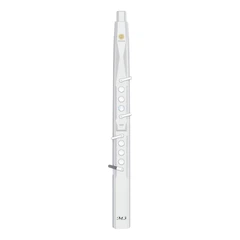
SUNRISE MELODY M1 Electronic Wind Instrument
. Revisit the passion and dreams of youth
. M1 electric clarinet wind instrument -- The good news for beginners
. Rich and diverse timbres
. Powerful functions and easy operation
. Perfect after-sales service


