

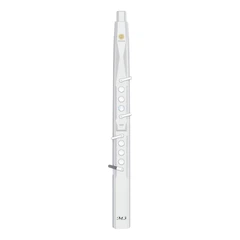

For Beginners: What to Consider When Choosing an Electric Saxophone
Introduction
The electric saxophone is an innovative musical instrument that combines traditional saxophone playing techniques with modern electronic technology. For beginners, choosing the right electric saxophone can be a crucial step in starting their musical journey. This article will discuss in detail the various aspects that beginners should pay attention to when choosing an electric saxophone, including key feel, pitch accuracy, and other important factors.
I. Key Feel
Importance of Key Feel for Beginners
For beginners, a comfortable key feel is essential as it directly affects their playing experience and learning progress. A good key feel allows for smooth and effortless key presses, reducing hand fatigue and enabling better control over the instrument.
Factors Affecting Key Feel
a. Key Material
The material of the keys can greatly influence the key feel. Common materials for electric saxophone keys include plastic, metal, and rubber. Plastic keys are often lightweight and inexpensive, but may not offer the same durability and tactile feedback as metal keys. Metal keys, on the other hand, provide a more solid and responsive feel but can be heavier and more expensive. Rubber keys are soft and comfortable to touch, but may not be as durable as other materials.
b. Key Size and Spacing
The size and spacing of the keys should be appropriate for the player's hand size. Keys that are too small or too close together can make it difficult for beginners to accurately press the keys, while keys that are too large or too far apart can be uncomfortable and difficult to reach.
c. Key Action
The key action refers to the resistance and responsiveness of the keys when pressed. A light key action requires less force to press the keys, making it easier for beginners to play. However, a too-light key action may lack the tactile feedback needed for precise control. A medium or slightly heavier key action can provide a better balance between ease of play and control.
Testing Key Feel
When choosing an electric saxophone, beginners should try playing the instrument to test the key feel. Press the keys gently and firmly to see how they respond. Check for any sticking or unevenness in the key action. Also, hold the instrument in different positions to see if the key feel remains comfortable.
II. Pitch Accuracy
Significance of Pitch Accuracy for Beginners
Accurate pitch is crucial for any musical instrument, and the electric saxophone is no exception. Beginners need to ensure that the instrument they choose has good pitch accuracy to develop their ear for music and play in tune with other instruments.
Factors Affecting Pitch Accuracy
a. Quality of the Mouthpiece
The mouthpiece plays a significant role in determining the pitch accuracy of the electric saxophone. A well-made mouthpiece with proper dimensions and design can help produce consistent and accurate pitches. Beginners should choose a mouthpiece that is suitable for their playing level and style.
b. Intonation Adjustment Mechanisms
Some electric saxophones come with intonation adjustment mechanisms, such as adjustable neck screws or tuning slides. These features can help fine-tune the pitch of the instrument and ensure better intonation.
c. Electronic Components
The electronic components of the electric saxophone, such as the sound generator and pitch detection system, can also affect pitch accuracy. High-quality electronic components can provide more accurate pitch detection and reproduction.
Checking Pitch Accuracy
Beginners can check the pitch accuracy of an electric saxophone by playing simple scales and listening for any out-of-tune notes. They can also use a tuner or pitch detection app to measure the pitch of the instrument and ensure that it is within an acceptable range.
III. Sound Quality
Importance of Sound Quality for Beginners
The sound quality of an electric saxophone can greatly enhance the playing experience and inspire beginners to practice and explore different musical styles. A good sound quality can also make the instrument more enjoyable to listen to and perform with.
Factors Affecting Sound Quality
a. Sound Generator Technology
The sound generator technology used in the electric saxophone determines the quality and variety of sounds it can produce. There are different types of sound generators, such as digital synthesis, sample playback, and physical modeling. Each technology has its own advantages and disadvantages, and beginners should choose an instrument with a sound generator that suits their musical preferences.
b. Speaker System
The speaker system of the electric saxophone is responsible for amplifying and projecting the sound. A good speaker system should provide clear, rich, and balanced sound with minimal distortion. Beginners should listen to the sound of the instrument through different speakers or headphones to get a better sense of its sound quality.
c. Effects and Controls
Many electric saxophones come with built-in effects and controls, such as reverb, delay, and tone controls. These features can add depth and variety to the sound and allow beginners to customize their playing style.
Evaluating Sound Quality
Beginners can evaluate the sound quality of an electric saxophone by listening to recordings or demos of the instrument. They can also try playing the instrument in different settings and environments to see how it sounds in different acoustic conditions. Additionally, they can compare the sound quality of different electric saxophones to make an informed decision.
IV. Build Quality and Durability
Significance of Build Quality and Durability for Beginners
A well-built and durable electric saxophone is essential for beginners as it can withstand the wear and tear of regular use and provide long-term value. A sturdy instrument is less likely to break or malfunction, ensuring that beginners can continue their learning journey without interruption.
Factors Affecting Build Quality and Durability
a. Materials Used
The materials used in the construction of the electric saxophone can affect its build quality and durability. High-quality materials such as metal alloys, carbon fiber, and hard plastics are more durable than cheaper materials. Beginners should look for an instrument made of materials that are known for their strength and durability.
b. Construction Techniques
The construction techniques used in manufacturing the electric saxophone can also impact its build quality. Instruments that are assembled with precision and care are more likely to be durable and reliable. Beginners should look for an instrument with smooth finishes, tight joints, and solid construction.
c. Brand Reputation
The brand reputation of the electric saxophone can be an indicator of its build quality and durability. Well-known brands with a history of producing high-quality instruments are more likely to offer reliable products. Beginners can research different brands and read reviews from other users to get an idea of the brand's reputation.
Inspecting Build Quality and Durability
When choosing an electric saxophone, beginners should inspect the instrument carefully for any signs of poor build quality or damage. Check for cracks, dents, or loose parts. Also, try to wiggle the keys and joints to see if they are stable and secure. Additionally, ask the seller about the warranty and return policy in case of any issues with the instrument.
V. Price and Value
Considerations for Beginners on Price and Value
As beginners, it's important to find an electric saxophone that offers good value for money. While price is an important factor, beginners should also consider the quality and features of the instrument. A cheap instrument may not offer the same quality and performance as a more expensive one, but an overly expensive instrument may not be necessary for beginners.
Factors Affecting Price and Value
a. Brand and Model
Different brands and models of electric saxophones can have different price ranges. Well-known brands and high-end models often come with a higher price tag, but they may also offer better quality and features. Beginners should compare different brands and models to find an instrument that meets their needs and budget.
b. Features and Accessories
The features and accessories included with the electric saxophone can also affect its price. Instruments with more advanced features, such as built-in effects, wireless connectivity, and high-quality mouthpieces, may be more expensive. Beginners should consider which features are important to them and whether they are willing to pay extra for them.
c. Second-hand vs. New
Beginners can also consider buying a second-hand electric saxophone to save money. However, they should be careful when buying second-hand instruments and make sure to inspect them thoroughly for any damage or defects. Buying a new instrument may offer more peace of mind in terms of quality and warranty.
Finding the Right Balance
Beginners should find the right balance between price and value when choosing an electric saxophone. They should set a budget and look for an instrument that offers the best combination of quality, features, and price within that budget. It's also a good idea to try out different instruments before making a purchase to ensure that they are getting the right one for their needs.
Conclusion
Choosing the right electric saxophone for beginners can be a challenging task, but by considering factors such as key feel, pitch accuracy, sound quality, build quality, durability, and price, beginners can make an informed decision and start their musical journey on the right foot. It's important to remember that everyone's needs and preferences are different, so what works for one person may not work for another. Therefore, beginners should take their time, do their research, and try out different instruments to find the one that suits them best. With the right electric saxophone, beginners can enjoy the beauty of music and develop their skills as musicians.
SUNRISE MELODY M1 Electronic Wind Instrument
. Revisit the passion and dreams of youth
. M1 electric clarinet wind instrument -- The good news for beginners
. Rich and diverse timbres
. Powerful functions and easy operation
. Perfect after-sales service
