

EWIs do require some specific maintenance and care, although it is different from that of traditional wind instruments:
1. Electrical and Electronic Components
Battery Maintenance
If the EWI is battery - powered (which many are, often with rechargeable batteries), proper battery care is essential. Rechargeable batteries should be charged according to the manufacturer's instructions. Overcharging or undercharging can reduce battery life and performance. For example, lithium - ion batteries should be charged with the appropriate charger and unplugged once fully charged to avoid damage. Regularly check the battery contacts for dirt or corrosion, as this can affect the power supply to the instrument. If there is any visible corrosion, it can be cleaned gently with a soft, dry cloth or a small amount of isopropyl alcohol on a cotton swab.
Electronics Cleaning
Dust and debris can accumulate on the electronics of the EWI, especially around the keys, sensors, and ventilation ports. Use a soft, dry, lint - free cloth to wipe down the instrument regularly. Avoid using water or harsh chemicals directly on the electronics, as this can damage the components. In case of more stubborn dirt, a small amount of electronics - specific cleaner sprayed on a cloth (not directly on the instrument) can be used with caution. This helps maintain the proper functioning of the sensors and other electronic parts, ensuring accurate signal detection and sound generation.
2. Sensor Maintenance
Breath Sensor
The breath sensor is a crucial part of an EWI as it interprets the player's breath input. Over time, moisture from the player's breath can affect the sensor's performance. It is a good idea to let the instrument dry out completely after use, especially if it has been used for an extended period. Some EWIs have removable breath sensors that can be cleaned more thoroughly. In such cases, follow the manufacturer's instructions for cleaning or replacing the sensor. If the breath sensor seems to be less responsive, it may need calibration, which can usually be done through the instrument's internal settings or with the help of specific software provided by the manufacturer.
Finger Sensors
Finger sensors on the keys need to be kept clean to ensure accurate detection of finger movements. Similar to the electronics cleaning, use a soft cloth to wipe the keys regularly. If the sensors become unresponsive or seem to have a "sticky" feeling, it could be due to dirt or debris. In some cases, the problem may be a software issue, so checking for firmware updates can also be beneficial. These updates can often fix bugs related to sensor performance and improve the overall functionality of the instrument.
3. Software and Firmware Updates
Firmware Updates
Manufacturers often release firmware updates for EWIs to improve performance, add new features, or fix bugs. It is important to keep the instrument's firmware up to date. This usually involves connecting the EWI to a computer via USB or other specified connection methods and following the manufacturer's instructions for the update process. Failure to update the firmware can result in compatibility issues with other devices, such as MIDI controllers or music software, and may also lead to sub - optimal performance of the instrument's built - in features.
Sound Library Management
EWIs with expandable sound libraries need proper management. New sound libraries may be added by the manufacturer or third - parties. When installing new sound libraries, make sure they are from a reliable source and are compatible with the instrument's operating system and firmware. Incorrectly installed sound libraries can cause crashes or unpredictable sound behavior. Regularly review and organize the sound libraries on the instrument to ensure easy access during performances and to free up storage space if needed.
4. Physical Protection
Storage and Transportation
When not in use, store the EWI in a clean, dry place, preferably in a case designed for the instrument. This protects it from dust, moisture, and physical damage. During transportation, make sure the instrument is securely packed. Some EWIs come with a hard - shell case, which provides excellent protection. If a hard - case is not available, use a padded gig bag or other suitable protective packaging to prevent bumps and scratches that could damage the electronics or the physical structure of the instrument.
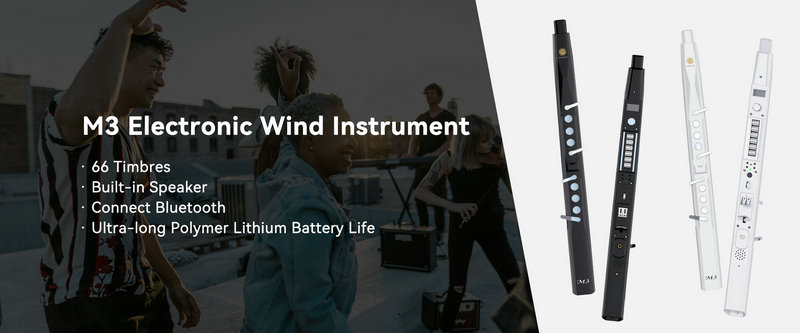
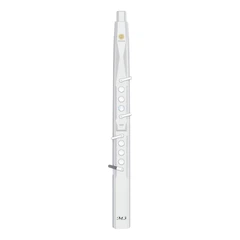
SUNRISE MELODY M3 Electronic Wind Instrument - The best-selling Electronic Wind Instrument
. 66 Timbres
. Built-in Speaker
. Connect Bluetooth
. Ultra-long Polymer Lithium Battery Life