
Yes, different types of electronic wind instruments have some typical frequency ranges:
1. Electronic Saxophones
Wireless Transmission Frequencies: Many electronic saxophones use wireless transmission for convenience during performances. A common frequency range for wireless communication is within the 2.4 GHz band, similar to many consumer - grade wireless devices. This is because the 2.4 GHz band offers a good balance between range and data transmission speed, allowing for reliable transmission of the complex signals generated by the saxophone's sensors.
Audio Signal Frequencies: In terms of the audio signal frequencies they produce, electronic saxophones generally cover a similar range to their acoustic counterparts. The fundamental frequency of a saxophone typically ranges from around 100 Hz (for the lowest notes) to about 800 Hz (for some of the higher - pitched notes). The harmonics can extend up to several kilohertz, with the overall frequency range of the produced audio signal usually spanning from approximately 100 Hz to 5 kHz or more, depending on the playing style and the specific model's capabilities.
2. Electronic Flutes
Wireless Transmission: Similar to electronic saxophones, many electronic flutes may use wireless technology for signal transmission, often within the 2.4 GHz frequency band for the reasons mentioned above.
Audio Frequencies: The fundamental frequency of an acoustic flute can range from about 260 Hz (for a middle C note) to over 2 kHz for the highest notes. Electronic flutes typically cover a comparable audio frequency range. The harmonics of the flute sound can reach up to several kilohertz as well, with the overall frequency range of the audio signal usually being from around 260 Hz to 3 - 4 kHz, again depending on various factors such as the fingering technique and the built - in sound processing capabilities of the instrument.
3. Electronic Trumpets
Wireless Transmission: Electronic trumpets also commonly use wireless transmission, with frequencies often in the 2.4 GHz range. This enables the trumpet player to move freely on stage without being tethered by cables.
Audio Frequencies: The fundamental frequency of a traditional trumpet ranges from around 165 Hz (lowest notes) to about 988 Hz (highest notes). Electronic trumpets follow a similar frequency range for their audio signals, with the harmonics extending to several kilohertz. The overall frequency range of the audio produced by an electronic trumpet can be from approximately 165 Hz to 5 kHz or more, depending on the playing and the instrument's internal sound processing.
4. Electronic Clarinets
Wireless Transmission: These instruments usually have wireless capabilities within the 2.4 GHz band for signal transmission.
Audio Frequencies: The fundamental frequency of an acoustic clarinet can vary from about 123 Hz (lowest notes) to around 1.5 kHz (highest notes). Electronic clarinets have a similar fundamental frequency range, and with the addition of harmonics, the overall audio frequency range can extend from around 123 Hz to 3 - 4 kHz, taking into account different playing techniques and the instrument's specific features.
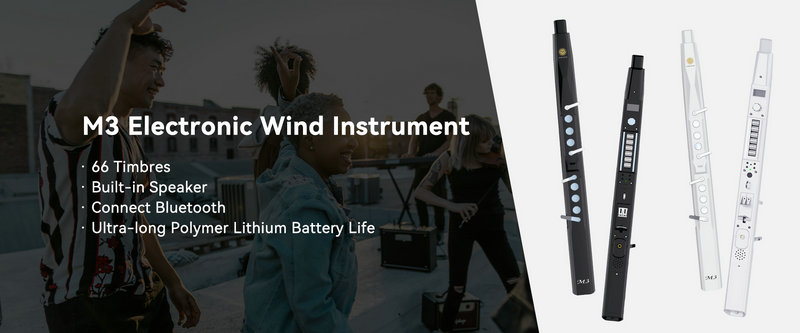
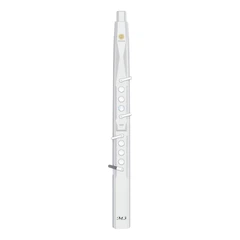
SUNRISE MELODY M3 Electronic Wind Instrument - The best-selling Electronic Wind Instrument
. 66 Timbres
. Built-in Speaker
. Connect Bluetooth
. Ultra-long Polymer Lithium Battery Life