
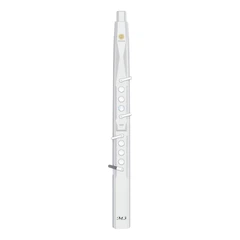


Creative Possibilities of the Electric Saxophone
The electric saxophone has opened up a world of creative possibilities in the realm of music. This unique instrument combines the traditional charm of the saxophone with the innovative capabilities of modern electronics, giving musicians a versatile tool to explore and express their creativity in various ways.
I. Technological Advancements and Instrument Features
A. Sound Generation and Manipulation
The electric saxophone uses advanced electronic circuitry to generate sound. Instead of relying solely on the vibration of a reed and air column as in a traditional acoustic saxophone, it converts the player's breath and finger movements into electronic signals. These signals can then be processed and shaped to produce a wide range of sounds.
It offers extensive sound manipulation options. Musicians can adjust parameters such as tone color, pitch, volume, and effects in real-time. For example, they can make the sound brighter or darker, change the pitch bend characteristics, and control the dynamics with greater precision. This allows for the creation of unique sonic textures that are not easily achievable with a traditional instrument.
With built-in synthesizer capabilities, the electric saxophone can mimic the sounds of other instruments, from strings to keyboards and percussion. This opens up the possibility of incorporating a diverse palette of sounds into a single performance, enabling musicians to create rich and complex musical arrangements.
B. Connectivity and Integration
Many electric saxophones are equipped with MIDI (Musical Instrument Digital Interface) connectivity. This allows them to communicate with other electronic musical devices, such as synthesizers, drum machines, and computer music software. Musicians can use the electric saxophone as a controller to trigger and manipulate sounds in a digital music production environment, expanding the creative potential by integrating it with a vast array of virtual instruments and effects.
They can also connect to audio interfaces and recording equipment, making it easy to record and share their performances. This enables musicians to experiment with different recording techniques and post-production effects, further enhancing their creative output. Additionally, the ability to connect to online music platforms and collaborate with other musicians remotely has opened up new avenues for creative interaction and musical exploration.
C. Portable and Versatile Design
The electric saxophone is often more lightweight and portable than its acoustic counterpart. This makes it convenient for musicians to take it to different locations, whether it's for live performances in various venues or for spontaneous jam sessions. Its portability allows for greater flexibility in musical activities and encourages musicians to explore new creative spaces outside of the traditional studio or concert hall.
The versatility of its design also extends to its adaptability to different musical styles and genres. From jazz and rock to electronic dance music and experimental avant-garde, the electric saxophone can fit into a wide range of musical contexts, adding a distinct and innovative element to each. Musicians can experiment with different playing techniques and styles to discover new ways of expressing themselves within these diverse genres.
II. Creative Applications in Different Musical Genres
A. Jazz and Fusion
In the jazz and fusion genres, the electric saxophone has become a popular instrument for its ability to add a modern and electrified edge to the music. Musicians can use its unique sound capabilities to create improvisations that blend traditional jazz elements with electronic textures. The ability to manipulate effects like distortion and wah-wah pedals can give their solos a more aggressive and expressive quality, pushing the boundaries of the genre.
It can also be used to create complex harmonic structures and rhythms. By integrating with other electronic instruments and using advanced MIDI programming, jazz and fusion musicians can compose pieces that incorporate intricate polyrhythms and unconventional chord progressions, adding a new dimension to the music and inspiring audiences with fresh and innovative sounds.
Collaborations between electric saxophonists and other jazz musicians, such as drummers, bassists, and keyboardists, can lead to exciting musical conversations and improvisational exchanges. The electric saxophone can act as a bridge between the acoustic and electronic worlds, bringing together different musical traditions and creating a unique fusion that appeals to a wide range of listeners.
B. Pop and Rock
In the world of pop and rock music, the electric saxophone can add a touch of sophistication and individuality to a song. It can be used as a solo instrument to create memorable melodies that stand out in the mix, or as part of a horn section to provide a rich and full sound. Its versatility allows it to fit into different styles of pop and rock, from upbeat dance anthems to more mellow ballads.
Effects such as reverb and delay can be used to create a spacious and atmospheric sound, enhancing the emotional impact of a song. Musicians can also experiment with using the electric saxophone in non-traditional ways, such as playing riffs and hooks in a more rhythmic and percussive manner, adding a unique groove to the music.
Pop and rock bands often incorporate the electric saxophone into their live performances to add visual and sonic variety. The instrument's sleek design and ability to produce eye-catching sounds can make it a focal point on stage, engaging the audience and adding to the overall energy and excitement of the show.
C. Electronic Dance Music (EDM)
The electric saxophone has found a natural home in the EDM scene, where its electronic sound qualities blend seamlessly with the genre's energetic and pulsating rhythms. It can be used to add melodic lines and solos over driving basslines and synths, creating a contrast between the organic sound of the saxophone and the synthesized elements of the music.
With the help of MIDI controllers and software, electric saxophonists can synchronize their playing with the tempo and beat patterns of the EDM tracks, ensuring a tight and seamless integration. They can also use effects like filters and glitches to create dynamic and evolving sounds that match the ever-changing nature of EDM music.
In live EDM performances, the electric saxophone can be combined with visual effects and lighting to create a truly immersive experience for the audience. Its ability to produce bright and vibrant sounds can enhance the visual spectacle and add an extra layer of excitement to the dance floor.
D. Experimental and Avant-Garde Music
For experimental and avant-garde musicians, the electric saxophone is a playground for pushing the boundaries of sound and music. They can use unconventional playing techniques, such as multiphonics, microtones, and extended techniques, and combine them with electronic effects and processing to create otherworldly and abstract sounds.
Collaborations with artists from different disciplines, such as visual artists, dancers, and poets, can lead to interdisciplinary performances that explore the relationship between sound, space, and movement. The electric saxophone can serve as a sonic catalyst in these experiments, inspiring new forms of artistic expression and challenging the audience's perception of music.
Experimental composers can use the electric saxophone as a source of inspiration for creating new musical forms and structures. By exploring its unique sonic capabilities and combining them with innovative compositional techniques, they can create pieces that break away from traditional musical conventions and open up new possibilities for musical exploration.
III. Collaboration and Cross-Disciplinary Opportunities
A. With Other Musicians
The electric saxophone can collaborate with a wide range of other musicians, including those playing different instruments and from different musical backgrounds. For example, a collaboration between an electric saxophonist and a guitarist can result in a unique blend of sounds, with the saxophone adding a smooth and melodic element and the guitar providing a rhythmic and harmonic foundation.
In a band setting, the electric saxophone can interact with other instruments to create a rich and dynamic soundscape. It can complement the drums and bass by adding melodic and harmonic interest, or engage in call-and-response patterns with other lead instruments. These collaborations can lead to the development of new musical ideas and styles as musicians draw inspiration from each other's playing.
Collaborative projects with vocalists can also be highly rewarding. The electric saxophone can provide a supportive and expressive backdrop for the vocals, or engage in duets and improvisations with the singer, creating a unique and intimate musical connection. Such collaborations can explore different themes and emotions through the combination of voice and instrument.
B. With Visual Artists and Performers
The visual arts and the electric saxophone can come together in exciting ways. Visual artists can create projections, light shows, or installations that respond to the music played on the electric saxophone, creating a multisensory experience for the audience. The colors, shapes, and movements of the visual elements can enhance the emotional impact of the music and add a new layer of meaning to the performance.
In live performances, dancers can choreograph movements to the sounds of the electric saxophone. The fluidity and expressiveness of the dance can complement the musicality of the instrument, creating a harmonious and engaging spectacle. This cross-disciplinary collaboration can explore themes of movement, rhythm, and space, and push the boundaries of both art forms.
Performance artists can incorporate the electric saxophone into their acts, using it as a tool to create soundscapes that interact with their physical performances. The combination of sound and action can create a powerful and immersive experience that challenges the audience's perception and engages them on multiple levels.
C. In Film, Theater, and Gaming Music
The electric saxophone has the potential to add a unique flavor to film, theater, and gaming soundtracks. Its versatility allows it to create a wide range of moods and atmospheres, from tense and suspenseful to warm and emotional. It can be used to enhance a particular scene or character, adding depth and authenticity to the overall sonic landscape.
In film music, the electric saxophone can play a solo role in creating memorable themes or can be part of a larger orchestra, adding a distinctive voice to the musical composition. It can also be used to create ambient sounds and textures that support the visual narrative and draw the audience deeper into the story.
In theater productions, it can accompany live performances, adding a live and organic element to the music. Its ability to adapt to different styles and moods makes it suitable for a variety of theatrical genres, from dramas to musicals. In gaming music, the electric saxophone can add a sense of adventure and immersion, reacting to the player's actions and enhancing the gaming experience.
IV. Challenges and Considerations
A. Technical Proficiency and Learning Curve
Mastering the electric saxophone requires both musical proficiency and a good understanding of its electronic features. Musicians need to learn how to operate the various controls and effects, as well as how to integrate it with other electronic devices. This can present a learning curve, especially for those who are more accustomed to traditional acoustic instruments.
Developing the technical skills to play the electric saxophone with precision and expressiveness takes time and practice. Musicians need to work on their breath control, finger technique, and the ability to manipulate the electronic parameters simultaneously. However, with dedication and perseverance, they can overcome these challenges and unlock the instrument's full creative potential.
B. Sound Quality and Equipment Compatibility
Ensuring good sound quality requires the use of high-quality audio equipment, such as amplifiers, speakers, and audio interfaces. The choice of equipment can significantly impact the overall sound output and the musician's ability to achieve the desired sonic effects. Compatibility issues between different pieces of equipment can also arise, requiring careful selection and configuration.
In a live performance or recording setting, the acoustics of the environment can affect the sound of the electric saxophone. Musicians need to be aware of these factors and make adjustments accordingly to ensure that the sound is clear, balanced, and impactful. Additionally, the use of headphones or in-ear monitors can help musicians monitor their own playing and ensure accurate sound reproduction.
C. Musical Identity and Artistic Direction
As with any instrument, finding one's musical identity and artistic direction on the electric saxophone can be a challenge. With so many creative possibilities available, musicians may struggle to define their unique sound and style. It is important for them to experiment with different techniques, genres, and collaborations to discover what truly resonates with them and their audiences.
They also need to consider how the electric saxophone fits into the broader musical landscape and what they want to achieve with their music. Whether it's to push the boundaries of a particular genre, create a new musical language, or simply express themselves in a unique way, having a clear artistic vision can help guide their creative decisions and ensure that their work is meaningful and impactful.
In conclusion, the electric saxophone offers a wealth of creative possibilities for musicians. From its technological features that allow for sound generation and manipulation to its applications in different musical genres and cross-disciplinary collaborations, it has the potential to inspire new forms of musical expression and artistic exploration. However, like any instrument, it also comes with its own set of challenges and considerations. By addressing these issues and continuing to explore and experiment, musicians can harness the power of the electric saxophone to create innovative and engaging music that captivates audiences and pushes the boundaries of the musical world. Whether it's on stage, in the studio, or in collaborative projects with other artists, the electric saxophone is a tool that can unlock a world of creativity and musical adventure.
SUNRISE MELODY M1 Electronic Wind Instrument
. Revisit the passion and dreams of youth
. M1 electric clarinet wind instrument -- The good news for beginners
. Rich and diverse timbres
. Powerful functions and easy operation
. Perfect after-sales service


