

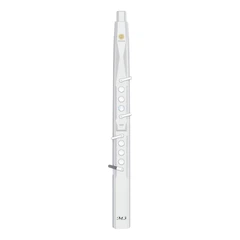

The Electronic Wind Instrument (EWI) saxophone is a highly versatile musical instrument that can be effectively utilized in a wide range of musical styles. Its unique combination of traditional saxophone - like playing techniques and advanced electronic capabilities opens up numerous creative possibilities across various genres.
I. Introduction to the EWI Saxophone's Versatility
The EWI saxophone is designed to bridge the gap between traditional wind instruments and modern electronic music. It features a familiar fingering system similar to that of a traditional saxophone, allowing musicians trained on acoustic saxophones to transition relatively smoothly. However, it is the instrument's electronic components that truly set it apart. These components enable the EWI saxophone to produce a vast array of sounds, from realistic simulations of traditional saxophone timbres to otherworldly electronic and synthesized tones. This flexibility makes it a valuable tool for musicians looking to explore different musical styles.
II. Use in Jazz Music
1. Traditional Jazz Timbres and Expressions
The EWI saxophone can replicate the warm, mellow tones of traditional alto, tenor, and soprano saxophones, which are staples in jazz music. Musicians can use the instrument to play the classic jazz melodies and solos with a high degree of authenticity. The ability to control dynamics through breath pressure and finger pressure on the keys allows for the same level of expressiveness as a traditional saxophone. For example, a jazz player can use a gentle breath to produce a soft, smoky tone for a ballad, and then increase the air pressure and key pressure to achieve a powerful, wailing solo during an up - tempo swing number.
The EWI saxophone can also capture the characteristic techniques of jazz saxophone playing, such as bending notes, adding growls, and using vibrato. These techniques, which are integral to the emotional and improvisational nature of jazz, can be replicated or even enhanced with the instrument's electronic controls. For instance, the vibrato speed and depth can be adjusted to match the player's desired level of expressiveness, adding a unique flavor to the performance.
2. Modern Jazz and Fusion
In modern jazz and jazz - fusion genres, the EWI saxophone's ability to produce non - traditional sounds becomes a significant advantage. It can blend traditional jazz saxophone sounds with electronic effects like reverb, delay, and distortion. For example, a fusion piece might feature a saxophone solo that starts with a classic tenor saxophone tone and then gradually introduces a delay effect, creating an echoing and spacious sound that adds a new dimension to the improvisation.
The EWI saxophone can also mimic other instruments or sounds, such as the sound of a synthesizer or a percussion instrument. This allows for more complex and innovative arrangements in jazz - fusion music. Musicians can create unique textures by layering different sounds together, such as a saxophone melody over a synthesized bass line and a percussive rhythm created using the EWI saxophone's electronic capabilities.
III. Use in Pop and Rock Music
1. Melodic Hooks and Background Textures
In pop music, the EWI saxophone can be used to create catchy melodic hooks. Its ability to produce a smooth and soulful saxophone tone can add a memorable element to a pop song's chorus or bridge. For example, a pop ballad might feature a simple yet effective saxophone melody that enhances the emotional impact of the lyrics. The instrument can also provide background textures, either by playing soft, sustained chords or by adding a gentle, ambient sound that fills out the sonic landscape of the song.
In rock music, the EWI saxophone can bring a powerful and energetic presence. It can play a driving melody that cuts through the heavy guitars and drums, adding a unique voice to the rock ensemble. The instrument's ability to produce a distorted or edgy tone can be used to create a sense of aggression or excitement. For instance, in a hard - rock or alternative - rock song, the EWI saxophone might play a solo with a distorted, gritty sound that matches the intensity of the music.
2. Collaborations and Arrangements
The EWI saxophone can be easily integrated into pop and rock arrangements. It can collaborate with other instruments, such as keyboards, guitars, and drums, to create a rich and diverse sound. For example, in a pop - rock song, the saxophone might play a counter - melody against the lead vocal or the guitar riff, adding depth and complexity to the arrangement. In a more experimental rock setting, the EWI saxophone can be used to create unusual harmonies or textures by combining its traditional saxophone sounds with electronic effects and non - traditional timbres.
IV. Use in Classical Music
1. Emulating Traditional Saxophone Roles
In classical music, the EWI saxophone can be used to perform works originally written for the saxophone. It can accurately reproduce the tone and expressiveness required for classical saxophone repertoire. For example, in a concerto or a chamber music piece, the EWI saxophone can handle the lyrical melodies, technical passages, and dynamic contrasts with a high level of precision. The instrument's ability to control dynamics and tone color allows it to fit well into the classical music context, where nuanced performances are highly valued.
2. Modern Classical Compositions
Composers of modern classical music are increasingly exploring the use of the EWI saxophone to expand their sonic palette. The instrument's ability to produce electronic and synthesized sounds can be used to create new and experimental musical textures. For example, a composer might write a piece that combines the traditional sound of the saxophone with ambient electronic sounds produced by the EWI saxophone, creating a unique blend of the old and the new. The EWI saxophone can also be used to add a contemporary touch to traditional classical forms, such as sonatas or symphonies, by introducing non - traditional timbres and performance techniques.
V. Use in Electronic Music
1. Integration with Electronic Dance Music (EDM)
In EDM, the EWI saxophone can be a valuable addition to the electronic soundscape. It can provide a live and organic element to the otherwise synthetic and programmed music. For example, in a trance or house track, the EWI saxophone can play a melodic line that rises above the driving beats and synths, adding a human touch and a sense of musicality. The instrument's ability to produce electronic - friendly timbres, such as sharp, pulsating sounds or smooth, filtered tones, makes it a perfect fit for EDM production.
The EWI saxophone can also be used to trigger and control other electronic elements in an EDM setup. Through MIDI connectivity, it can send signals to software synthesizers, drum machines, or effects processors, allowing for real - time interaction and manipulation of the music. For instance, the saxophone's breath pressure can be mapped to control the filter cutoff of a synthesizer, creating a dynamic and evolving sound.
2. Experimental Electronic Genres
In more experimental electronic genres, such as ambient, drone, or glitch music, the EWI saxophone's versatility truly shines. It can produce a wide range of sounds, from long, sustained drones to short, glitchy bursts of sound. Musicians can use the instrument to create complex soundscapes by layering different timbres and effects. For example, in an ambient piece, the EWI saxophone might produce a soft, ethereal tone that is gradually transformed through the use of reverb and delay effects, creating a dream - like atmosphere. In a glitch - inspired composition, the instrument can be used to generate unpredictable and fragmented sounds that add an element of chaos and intrigue to the music.
VI. Use in World Music and Folk Music
1. Emulating Traditional Wind Instruments
The EWI saxophone can be used to mimic the sounds of traditional wind instruments from different cultures. For example, it can approximate the sound of a duduk (an Armenian double - reed instrument), a shakuhachi (a Japanese bamboo flute), or a bansuri (an Indian flute). This ability allows musicians to incorporate the flavors of different world music traditions into their compositions or performances without having to learn multiple traditional instruments. In a folk music context, the EWI saxophone can play melodies and tunes that are characteristic of a particular region's music, adding a modern twist to the traditional sounds.
2. Fusion with Global Music Styles
Musicians are increasingly using the EWI saxophone to create fusion music that combines elements of different world music styles with other genres. For example, a fusion of Middle - Eastern music and jazz might feature the EWI saxophone playing a melody inspired by Arabic maqam (a musical mode) while accompanied by a Western - style rhythm section. The instrument's flexibility in terms of sound production and its ability to blend with different musical elements make it an ideal tool for exploring the boundaries between different world music traditions and creating new and exciting musical hybrids.
In conclusion, the EWI saxophone is a remarkably versatile instrument that can be used in a wide variety of musical styles. Its ability to produce both traditional and non - traditional sounds, along with its ease of use and integration with other instruments and technologies, makes it a valuable asset for musicians across different genres. Whether in jazz, pop, rock, classical, electronic, or world music, the EWI saxophone offers a wealth of creative opportunities and is likely to continue to play an important role in the evolution of music.
SUNRISE MELODY M1 Electronic Wind Instrument
. Revisit the passion and dreams of youth
. M1 electric clarinet wind instrument -- The good news for beginners
. Rich and diverse timbres
. Powerful functions and easy operation
. Perfect after-sales service
