

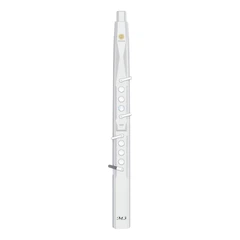

Yes, you can definitely use an Electronic Wind Instrument (EWI Electronic Wind Instrument) for live performances. In fact, many musicians use EWI Electronic Wind Instruments in live settings due to their versatility and expressive capabilities. Here are some reasons why an EWI Electronic Wind Instrument is suitable for live performances, along with tips for optimizing your live setup:
Benefits of Using an EWI Electronic Wind Instrument for Live Performances
Versatility in Sound:
Wide Range of Sounds: EWI Electronic Wind Instruments can emulate various traditional wind instruments, synthesizers, and other sounds, allowing you to switch between different tones seamlessly during a performance.
Customizable Patches: You can create and save custom sound patches tailored to specific songs or parts of your set.
Expressive Control:
Breath and Bite Sensors: These sensors allow for dynamic control over volume, pitch, and expression, making your performance more engaging and expressive.
Articulation: You can use techniques like vibrato, pitch bending, and portamento to add nuance to your playing.
Portability and Convenience:
Lightweight: EWI Electronic Wind Instruments are generally lightweight and easy to transport, making them ideal for gigging musicians.
Wireless Options: Some models, like the Akai EWI Electronic Wind Instrument 5000, offer wireless capabilities, giving you the freedom to move around the stage.
Integration with Other Equipment:
MIDI and USB Connectivity: EWI Electronic Wind Instruments can be connected to synthesizers, sound modules, and computers, allowing you to integrate them with your existing setup.
Effects and Processing: You can use external effects processors and pedals to further enhance your sound.
Tips for Using an EWI Electronic Wind Instrument in Live Performances
Setup and Connectivity:
Amplification: Connect your EWI Electronic Wind Instrument to an amplifier or PA system to ensure your sound is projected clearly to the audience.
Direct Input (DI) Box: Use a DI box to connect your EWI Electronic Wind Instrument to the sound system, which can help reduce noise and improve sound quality.
Wireless Systems: If your EWI Electronic Wind Instrument supports wireless audio, use a reliable wireless system to avoid cable clutter and allow for greater mobility.
Sound Preparation:
Preset Management: Organize your sound presets in the order of your setlist for easy access during the performance.
Sound Check: Perform a thorough sound check to ensure all your patches sound good through the venue's sound system.
Performance Techniques:
Dynamic Playing: Utilize the EWI Electronic Wind Instrument's expressive capabilities by varying your breath pressure and using articulation techniques.
Stage Presence: Take advantage of the EWI Electronic Wind Instrument's portability to move around the stage and engage with the audience.
Backup Plan:
Spare Equipment: Bring spare batteries, cables, and mouthpieces to avoid any technical issues during the performance.
Backup Instrument: If possible, have a backup EWI Electronic Wind Instrument or another instrument ready in case of a malfunction.
Practice:
Rehearsal: Practice your set thoroughly with the EWI Electronic Wind Instrument to become comfortable with switching patches and using its features effectively.
Live Simulation: Rehearse in a setting that simulates the live performance environment to get used to the acoustics and stage layout.
Examples of EWI Electronic Wind Instrument Models Suitable for Live Performances
Akai Professional EWI Electronic Wind Instrument 5000:
Features: Wireless audio, built-in sound library, and customizable patches.
Use Case: Ideal for live performances due to its versatility and wireless capabilities.
Roland Aerophone Pro AE-30:
Features: Advanced sound engine, high-quality build, and extensive sound library.
Use Case: Suitable for professional musicians looking for a versatile and expressive instrument for live performances.
Yamaha YDS-150:
Features: Combines acoustic and digital technology, realistic saxophone feel, and volume control.
Use Case: Great for saxophonists and those looking for a hybrid instrument that feels like a traditional saxophone but offers the benefits of digital technology.
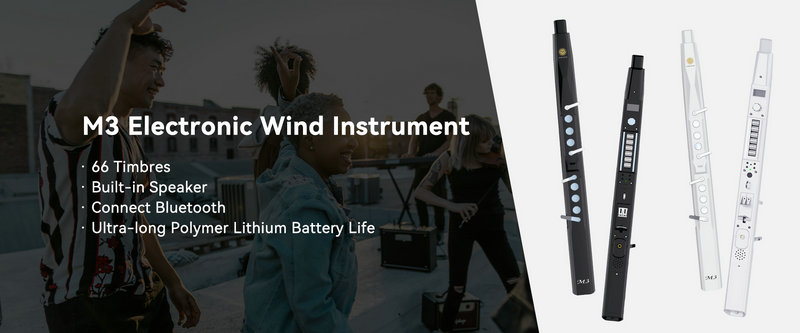
SUNRISE MELODY M1 / M3 / M5 / XR3000:
The famous Electronic Wind Instrument company in CN.
Features: 66 sounds 5 octaves True roller design of the octave wheel, Connect Bluetooth, Built-in speaker, Three vibrato modes: Automatic, semi-automatic, bite, five fingering.
Use Case: the price is economical, with abundant functions.
Conclusion
Using an EWI Electronic Wind Instrument for live performances offers numerous advantages, including versatility in sound, expressive control, and portability. By properly setting up your EWI Electronic Wind Instrument, organizing your sounds, and practicing your performance techniques, you can deliver a captivating and dynamic live performance.