
Yes, you can connect your Electronic Wind Instrument (EWI electronic wind instrument) to a variety of other devices to expand its capabilities and integrate it into different musical setups. Here's how EWI electronic wind instruments typically connect with other devices:
1. MIDI Connectivity
MIDI Ports: Most EWI electronic wind instruments come equipped with MIDI ports (usually 5-pin DIN connectors) that allow you to connect the instrument to other MIDI-compatible devices such as synthesizers, sound modules, and digital audio workstations (DAWs).
MIDI Channels: You can select different MIDI channels on your EWI electronic wind instrument to control multiple sound sources or to be part of a larger MIDI setup.
2. USB Connectivity
USB Ports: Many modern EWI electronic wind instruments feature USB ports for direct connection to computers, tablets, or other devices that support USB MIDI.
DAW Integration: By connecting via USB, you can use your EWI electronic wind instrument within a DAW for recording, editing, and sound design.
3. Wireless Connectivity
Bluetooth: Some EWI electronic wind instruments support Bluetooth connectivity, which allows you to wirelessly connect to devices such as smartphones, tablets, or computers.
Wireless Audio: Wireless EWI electronic wind instrument models can transmit audio to a PA system or monitor speakers without the need for physical cables.
4. Audio Outputs
Headphone Jacks: Most EWI electronic wind instruments have a headphone output for silent practice or private listening.
Line Outputs: Some models also have line outputs to connect the instrument to amplifiers or mixers for live performances or recording.
5. Pedals and Controllers
Expression Pedals: You can connect expression pedals to control parameters such as volume, pitch bend, modulation, or other effects.
Footswitches: Footswitches can be used for hands-free control of certain functions, like toggling between patches or effects.
6. Software Integration
Sound Libraries: Some EWI electronic wind instruments allow you to load additional sound libraries or integrate with software synthesizers for an expanded sonic palette.
Editor Software: Certain EWI electronic wind instruments come with editor software that can be used to customize settings, create custom patches, and manage the instrument's functions.
7. Multi-Device Setups
Layering Sounds: You can connect your EWI electronic wind instrument to multiple sound sources and layer or split the output to create complex textures and soundscapes.
Orchestration: Use the EWI electronic wind instrument in conjunction with other instruments or devices to create a full orchestration or to fill out specific sections of a musical arrangement.
Examples of EWI electronic wind instrument Connectivity
Akai EWI electronic wind instrument 5000: Offers wireless audio and a rechargeable battery, making it easy to connect to a sound system or PA for live performances without cables.
Roland Aerophone AE-10: Features Bluetooth connectivity and a built-in speaker, allowing for easy setup with a variety of devices, from smartphones to PA systems.
Conclusion
The ability to connect your EWI electronic wind instrument to other devices opens up a world of possibilities for sound creation, live performances, and music production. By leveraging MIDI, USB, wireless technologies, and other connectivity options, you can seamlessly integrate your EWI electronic wind instrument into virtually any musical context.
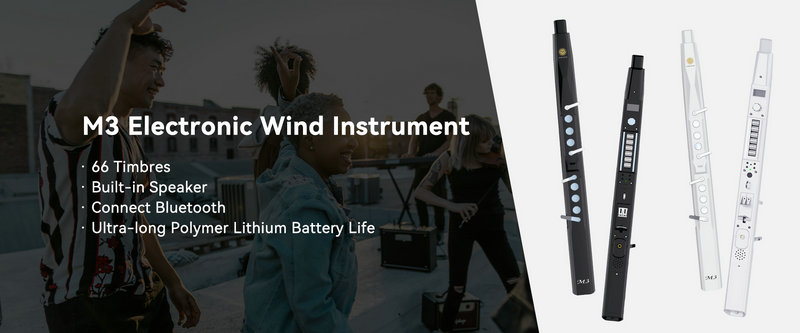
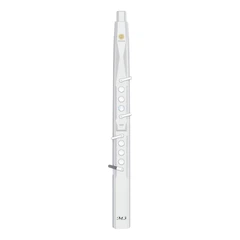
SUNRISE MELODY M3 Electronic Wind Instrument - The best-selling Electronic Wind Instrument
. 66 Timbres
. Built-in Speaker
. Connect Bluetooth
. Ultra-long Polymer Lithium Battery Life