
When shipping electronic wind instruments across borders, there are several special considerations:
Customs regulations and documentation:
Customs clearance documents: You need to prepare complete customs clearance documents, such as commercial invoices, packing lists, and certificates of origin. These documents should accurately describe the type, quantity, value, and other information of the electronic wind instruments to ensure smooth customs clearance.
Intellectual property: If the electronic wind instrument is a branded product, it is necessary to ensure that you have the relevant authorization or proof of legitimate sources to avoid issues related to intellectual property rights. Customs in various countries attach great importance to the protection of intellectual property, and the lack of relevant authorization may lead to delays in customs clearance or even confiscation of the goods.
Product classification and tariff rates: Different countries have different classification standards and tariff rates for musical instruments. It is necessary to accurately classify the electronic wind instrument and understand the applicable tariff rates to avoid disputes over tariffs.
Packaging requirements:
Adequate protection: Electronic wind instruments are precision musical instruments and are vulnerable to damage during transportation. Therefore, it is necessary to use high-quality packaging materials, such as sturdy boxes, bubble wrap, and foam padding, to provide sufficient protection. The instrument should be firmly fixed in the packaging box to prevent movement and collision.
Anti-static and moisture-proof measures: Some electronic components of the instrument may be sensitive to static electricity and moisture. Appropriate anti-static and moisture-proof packaging materials or measures should be taken, such as using anti-static bags and adding desiccant packets, to protect the instrument from being affected by static electricity and moisture.
Labeling: Clearly mark the package with "fragile", "handle with care", and other labels to remind the shipping company and customs personnel to handle the package carefully.
Transportation mode and logistics provider selection:
Transportation mode: According to the characteristics and requirements of the electronic wind instrument, choose a suitable transportation mode, such as air freight, sea freight, or express delivery. Air freight is relatively fast but has higher costs; sea freight is more cost-effective but takes longer; and express delivery is convenient for small batches of goods but also has certain limitations in terms of size and weight.
Logistics provider: Select a reliable and experienced logistics provider with a good reputation. The logistics provider should have professional knowledge and experience in handling musical instruments, be able to provide appropriate transportation solutions and tracking services, and ensure the safety and timeliness of the transportation.
Insurance and risk management:
Purchase insurance: Given the high value of electronic wind instruments, it is advisable to purchase cargo insurance to cover the risks of loss, damage, or theft during transportation. This can reduce the potential economic losses in case of unexpected situations.
Risk assessment and prevention: Before shipping, conduct a risk assessment of the transportation process, identify possible risks, and take corresponding preventive measures, such as strengthening packaging, choosing a safe transportation route, and ensuring the reliability of the logistics provider.
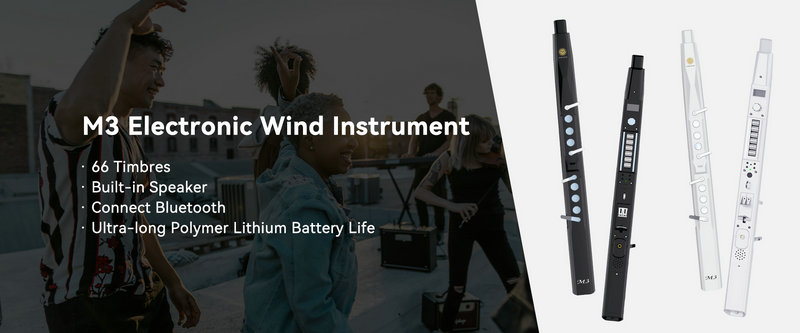
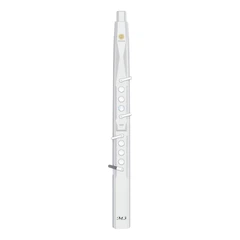
SUNRISE MELODY M3 Electronic Wind Instrument - The best-selling Electronic Wind Instrument
. 66 Timbres
. Built-in Speaker
. Connect Bluetooth
. Ultra-long Polymer Lithium Battery Life