


Title: Essential Techniques for Mastering Electric Wind Instruments
Introduction
The advent of electric wind instruments (EWIs) has opened up a new realm of musical possibilities, blending the traditional art of wind playing with the flexibility of modern technology. These instruments offer a unique set of challenges and opportunities for musicians, requiring a different approach compared to their acoustic counterparts. This article will outline some basic techniques that are essential for anyone looking to play electric wind instruments effectively.
1. Understanding the Instrument
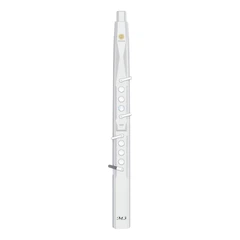
Before diving into playing techniques, it's crucial to understand the components and capabilities of your EWI. Familiarize yourself with the mouthpiece, keys or pads, sensors, and any additional controls such as pitch bend wheels or modulation levers. Knowing how each part functions will help you manipulate the instrument to produce the desired sounds.
2. Proper Embouchure
Embouchure, or the way you position your lips and facial muscles around the mouthpiece, is fundamental to producing a good sound on any wind instrument. For EWIs, a relaxed yet controlled embouchure is key. Practice finding a comfortable position that allows for a steady airflow and clear articulation without strain.
3. Breath Support
Breath control is essential for any wind player. For EWIs, this involves learning to maintain a steady, controlled airflow. Unlike traditional instruments, where the breath directly affects the sound, EWIs use sensors to detect air pressure, so a consistent breath is crucial for accurate pitch and expression.
4. Finger Dexterity
The finger technique for EWIs is similar to that of traditional wind instruments. Practice scales and arpeggios to build finger strength and independence. Pay attention to the accuracy of your fingerings, as this will直接影响 the pitch and clarity of the notes you play.
5. Articulation
Articulation refers to the way you start and stop notes. For EWIs, this can be achieved through tonguing techniques similar to those used on traditional instruments. Practice different tonguing styles to achieve a clean and precise attack for each note.
6. Pitch Control
EWIs often feature pitch bend wheels or levers that allow for microtonal adjustments. Learn to use these controls subtly to add expressiveness to your playing. Experiment with different pitch bends to create slides and glissandos, adding a unique touch to your performance.
7. Sound Shaping
One of the most exciting aspects of EWIs is the ability to shape and manipulate sounds. Spend time exploring the instrument's sound modules or external effects to create a personalized sound palette. Understanding how to adjust parameters such as filter cutoff, resonance, and envelope shaping can greatly enhance your musical expression.
8. Dynamics and Expression
Like any musical instrument, dynamics play a vital role in conveying emotion and telling a story through music. Practice playing with a range of dynamics, from soft and delicate to loud and powerful. Use the EWI's capabilities to create contrasts in volume and tone color.
9. Maintenance
Regular maintenance is crucial for the longevity and performance of your EWI. Clean the mouthpiece and sensor after each use to prevent moisture buildup and ensure optimal airflow. Keep the instrument's exterior clean and store it in a protective case when not in use.
10. Practice and Patience
Mastering any instrument takes time and dedication. Set aside regular practice sessions to work on your technique, sound shaping, and repertoire. Be patient with your progress and remember that consistent practice is the key to improvement.
Conclusion
Playing an electric wind instrument requires a combination of traditional wind playing techniques and an understanding of the unique capabilities of these modern instruments. By focusing on the basics and dedicating time to practice, you'll be well on your way to mastering the art of playing EWIs. As you progress, continue to explore the instrument's potential, and most importantly, enjoy the journey of musical discovery.
Brand Name: SUNRISE MELODY
Model: XR3000
Timbre: 60 types
Five octaves metal roller
Bluetooth connection
4 fingering modes available to select


