
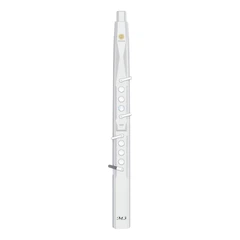


Electric Wind Instruments: Acoustic or Electric?
The world of music is a vast and diverse landscape, with a multitude of instruments that cater to various tastes and styles. Among these, wind instruments have a long and rich history, dating back to ancient civilizations. However, with the advent of technology, a new breed of wind instruments has emerged: electric wind instruments. The question that often arises is whether these instruments are acoustic or electric. In this article, we will explore the nature of electric wind instruments, their differences from traditional acoustic counterparts, and the unique characteristics that make them a popular choice among musicians.
What Are Electric Wind Instruments?
Electric wind instruments are a category of wind instruments that have been adapted to incorporate electronic technology. They maintain the traditional playing techniques of their acoustic counterparts but add electronic components to enhance or modify the sound produced. Examples include the electric saxophone, electric trumpet, and electronic wind instruments (EWIs) like the Akai EWI series.
Acoustic vs. Electric: The Fundamental Difference
The fundamental difference between acoustic and electric wind instruments lies in how they produce and amplify sound.
Acoustic Instruments: These instruments generate sound through the vibration of air within the instrument itself. For example, when a musician blows into a traditional saxophone, the air vibrates against the reed and the instrument's body, creating the familiar saxophone sound. The sound is then projected through the bell without the need for external amplification.
Electric Instruments: In contrast, electric wind instruments use electronic components to capture and process the sound. When a musician plays an electric wind instrument, the sound is picked up by a pickup or sensor, which then converts the vibrations into an electrical signal. This signal is processed and amplified, allowing the musician to control the sound's volume and tone through various effects and settings.
Advantages of Electric Wind Instruments
1. Versatility: One of the most significant advantages of electric wind instruments is their versatility. Musicians can use effects pedals, synthesizers, and other electronic devices to manipulate the sound, creating a wide range of tones and styles that would be impossible with traditional acoustic instruments.
2. Control: Electric wind instruments offer a high level of control over the sound. Musicians can adjust the volume and tone to suit different performance environments, from intimate jazz clubs to large concert halls.
3. Portability: These instruments are often more portable than their acoustic counterparts, especially when paired with battery-powered amplifiers or digital audio workstations (DAWs).
4. Silence: Electric wind instruments can be played silently through headphones, making them ideal for practice sessions without disturbing others.
5. Durability: Electronic components can be more durable than natural materials used in acoustic instruments, potentially leading to a longer lifespan.
Disadvantages of Electric Wind Instruments
1. Dependency on Power: Electric wind instruments require a power source, which can be a limitation in situations where power outlets are not available or battery life is a concern.
2. Cost: These instruments can be more expensive than their acoustic counterparts due to the added electronic components and technology.
3. Maintenance: Electronic components may require more maintenance and could be more prone to technical issues compared to the simpler mechanics of acoustic instruments.
4. Authenticity: Some musicians and listeners argue that the unique, organic sound of acoustic instruments cannot be fully replicated by electric versions, leading to a debate over the authenticity of the music produced.
Conclusion
In conclusion, electric wind instruments sit at the intersection of tradition and innovation. They are not simply acoustic or electric but rather a fusion of both, offering musicians a new palette of sounds and capabilities. While they may not replace the timeless appeal of acoustic instruments, electric wind instruments have carved out their own niche in the music world, providing a unique and exciting option for artists looking to explore new sonic territories.
Whether you're a seasoned musician or a curious beginner, electric wind instruments offer a fresh perspective on the age-old tradition of wind music. As technology continues to evolve, it will be fascinating to see how these instruments develop and influence the future of music.
XR3000 Electronic Saxophone EWI Digital Wind Instrument
Brand Name: SUNRISE MELODY
Model: XR3000
Timbre: 60 types
Five octaves metal roller
Bluetooth connection
4 fingering modes available to select


