


I. Introduction
Electronic wind instruments have revolutionized the field of music teaching with their unique features and capabilities. These instruments combine traditional wind instrument playing techniques with advanced electronic technology, offering a wide range of applications and advantages in the educational setting. In this article, we will explore in-depth the various application examples of electronic wind instruments in music teaching.
II. In the Classroom Setting
A. Demonstration and Explanation of Musical Concepts
Pitch and Interval Recognition
Teachers can use the electronic wind instrument to demonstrate different pitches and intervals. By playing a series of notes, students can visually see the fingering on the instrument and simultaneously hear the differences in pitch. For example, when teaching about the octave interval, the teacher can play the same note in two different octaves on the electronic wind instrument and ask students to identify the difference in sound height. The instrument's accurate pitch production helps students develop a more precise sense of pitch recognition.
Rhythm Instruction
The electronic wind instrument can be connected to a rhythm accompaniment device or software. Teachers can set up various rhythm patterns, and students can play along with the rhythm on the instrument. This allows students to practice maintaining a steady tempo and synchronizing their playing with the given rhythm. For instance, in teaching a simple 4/4 rhythm, the teacher can program a drumbeat pattern and have students play a melody on the electronic wind instrument while keeping in time with the drums. It helps students internalize the rhythm and improve their rhythmic accuracy.
B. Group Learning and Ensemble Playing
Classroom Bands and Ensembles
Electronic wind instruments are well-suited for forming classroom bands or ensembles. They can be easily integrated with other instruments such as keyboards, guitars, and percussion. In a music class, students can divide into different sections and play together. The electronic wind instrument can take on various roles in the ensemble, from playing the lead melody to providing harmonic support. For example, in a school band performance, the electronic wind instrument might play the main theme in a popular song while the other instruments accompany with chords and rhythm. This collaborative learning experience not only enhances students' musical skills but also promotes teamwork and communication.
Mixing and Matching Different Instrument Sounds
With the ability to produce a wide variety of sounds, electronic wind instruments can add unique colors to the ensemble. Teachers can encourage students to experiment with different sound combinations. For instance, a student playing the electronic wind instrument can switch between a saxophone-like sound and a flute-like sound during a piece, creating interesting sonic contrasts. This exploration of different sounds enriches the overall musical texture of the ensemble and encourages students to think creatively about how different instruments can interact and blend together.
III. For Skill Development
A. Technique Training
Finger Dexterity Exercises
Electronic wind instruments often have responsive keys and buttons that can be used for finger dexterity training. Teachers can design specific exercises, such as rapid scale passages and arpeggios, for students to practice on the instrument. The electronic wind instrument's ability to provide immediate audio feedback allows students to quickly assess the accuracy and speed of their finger movements. For example, a student can practice a chromatic scale on the electronic wind instrument, focusing on the smoothness and precision of each finger transition. The instrument can also record the student's performance, enabling them to analyze and track their progress over time.
Breath Control and Endurance Training
Proper breath control is essential for wind instrument playing. The electronic wind instrument can be used to teach and practice breath control techniques. Teachers can instruct students on how to take deep breaths and control the airflow to produce a consistent and stable sound. By playing long, sustained notes on the electronic wind instrument, students can build up their breath endurance. Additionally, some electronic wind instruments have built-in breath sensors that can provide visual or auditory feedback on the student's breath pressure and control, helping them to refine their breathing technique.
B. Improvisation and Creativity Enhancement
Exploring Different Styles and Genres
The versatility of electronic wind instruments in terms of sound and style makes them great tools for improvisation and exploring different musical genres. Teachers can introduce students to various musical styles such as jazz, rock, and classical, and encourage them to improvise using the appropriate sounds and techniques on the electronic wind instrument. For example, in a jazz improvisation session, students can use the instrument's built-in jazz saxophone or trumpet sounds and experiment with improvising over a standard jazz chord progression. This exposure to different genres broadens students' musical horizons and stimulates their creativity.
Using Looping and Recording Features
Many electronic wind instruments come with looping and recording functions. Students can record a short musical phrase or melody on the instrument and then loop it while improvising on top of it. This allows them to build complex musical textures and experiment with layering different ideas. For instance, a student can record a simple rhythm on the electronic wind instrument and then loop it while adding improvised solos or harmonies on top. The recording feature also enables students to listen back to their improvisations, analyze what worked well and what could be improved, and thus continuously develop their improvisational skills and creative ideas.
IV. In Online and Distance Learning
A. Virtual Lessons and Tutorials
One-on-One Instruction
Electronic wind instruments are well-suited for online one-on-one music lessons. Teachers and students can connect through video conferencing platforms, and the student can play the electronic wind instrument during the lesson. The teacher can visually observe the student's playing technique, provide real-time feedback on fingering, posture, and sound production, and demonstrate correct techniques using their own electronic wind instrument or other teaching aids. For example, if a student is having trouble with a particular fingering pattern, the teacher can show the correct way on their instrument and have the student imitate it in real-time. The clear audio transmission of the electronic wind instrument over the internet ensures that the teacher can accurately assess the student's playing and offer targeted instruction.
Pre-recorded Tutorials and Demonstrations
Teachers can create pre-recorded tutorials and demonstrations using electronic wind instruments. These can include lessons on basic techniques, musical pieces, and theory concepts. Students can access these recordings at their own pace and review them as many times as needed. For instance, a teacher can record a step-by-step tutorial on how to play a particular scale on the electronic wind instrument, accompanied by detailed explanations and visual demonstrations of the fingering. These pre-recorded resources provide students with a convenient and flexible learning option, especially in distance learning scenarios where in-person instruction may be limited.
B. Online Collaboration and Performance
Remote Ensemble Projects
Students from different locations can participate in remote ensemble projects using electronic wind instruments. Through online collaboration platforms, they can record their parts individually on their electronic wind instruments and then combine them into a complete ensemble performance. For example, in a virtual school orchestra project, students can record their parts of a symphony at home and upload them to a shared platform. The teacher or a designated editor can then mix and synchronize the recordings to create a cohesive ensemble performance. This not only allows students to continue their musical collaboration despite being physically apart but also exposes them to the process of digital music production and editing.
Online Music Competitions and Recitals
Electronic wind instruments enable students to participate in online music competitions and recitals. They can record their performances on the instrument and submit the videos for evaluation or public viewing. This provides students with an opportunity to showcase their skills and receive feedback from a wider audience and professional judges. For instance, an online saxophone competition for electronic wind instrument players can attract participants from around the world. The contestants can record their best performances on their electronic wind saxophones, and the organizers can stream the submissions for public voting and judging. These online events encourage students to strive for excellence and promote the exchange of musical ideas and talents in the digital space.
V. Conclusion
The application examples of electronic wind instruments in music teaching are diverse and extensive. From the classroom to individual skill development and online learning, these instruments have proven to be valuable tools that enhance the learning experience, promote creativity, and facilitate musical collaboration. As technology continues to advance, the capabilities and applications of electronic wind instruments in music teaching are likely to expand further, providing even more opportunities for students to explore and excel in the world of music. Whether it's teaching musical concepts, training technical skills, or fostering creativity and collaboration, electronic wind instruments have a significant role to play in modern music education. By leveraging their unique features and advantages, educators can create more engaging and effective music teaching environments, helping students develop a deep love and proficiency for music.
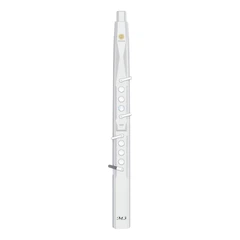
SUNRISE MELODY M1 Electronic Wind Instrument
. Revisit the passion and dreams of youth
. M1 electric clarinet wind instrument -- The good news for beginners
. Rich and diverse timbres
. Powerful functions and easy operation
. Perfect after-sales service


