


I. Introduction
The digital alto saxophone has brought a new dimension to music teaching with its unique set of features and capabilities. It combines the traditional essence of the saxophone with modern digital technology, offering numerous advantages that enhance the learning experience and effectiveness in the field of music education. In this article, we will explore in-depth the various advantages of the digital alto saxophone in music teaching.
II. Enhanced Learning Experience
A. Improved Sound Quality and Consistency
The digital alto saxophone is designed to produce high-quality and consistent sound. Unlike traditional acoustic saxophones that may be affected by factors such as the quality of the reed, the player's embouchure, and the environmental conditions, the digital version provides a more stable and accurate sound reproduction. This means that students can always rely on the instrument to produce the correct pitch and tone, which is crucial for developing a good ear and improving intonation skills. For example, when learning to play a specific melody, a student using a digital alto saxophone will hear the same clear and accurate sound each time they play a note, allowing them to focus on perfecting their technique without being distracted by unexpected variations in sound quality.
The instrument also offers a wide range of adjustable sound parameters. Teachers can customize the sound to suit the learning needs of individual students or the requirements of a particular musical piece. For instance, they can adjust the brightness, warmth, or resonance of the sound to help students better understand how different tonal qualities can affect the overall mood and expression of the music. This flexibility in sound customization enables a more immersive and engaging learning experience, as students can explore and experiment with various sounds to enhance their musical creativity and interpretation.
B. Interactive Learning Features
Many digital alto saxophones come equipped with interactive learning tools and features. For example, some models have built-in tutorials and practice exercises that guide students through the learning process step by step. These may include finger exercises, scale drills, and rhythm games, all designed to make learning more fun and interactive. The instrument can provide real-time feedback on the student's performance, highlighting any mistakes or areas that need improvement. This immediate feedback loop allows students to correct their errors quickly and progress more efficiently, compared to traditional learning methods where they may not receive such immediate guidance.
Additionally, the digital alto saxophone can be connected to mobile apps or computer software that offer additional learning resources and interactive lessons. These apps may include virtual music scores that highlight the notes being played in real-time, animated fingering diagrams, and even video lessons from professional musicians. Students can interact with these digital resources, slowing down or repeating sections of the lesson as needed, and customizing their learning experience according to their own pace and preferences. This level of interactivity not only makes learning more engaging but also empowers students to take control of their own learning journey, leading to better retention and understanding of musical concepts and techniques.
III. Convenience and Accessibility
A. Portability and Ease of Use
The digital alto saxophone is generally more lightweight and portable than its traditional acoustic counterpart. This makes it easier for students to carry the instrument to and from music lessons, rehearsals, or simply to practice at different locations. Whether it's at home, in school, or on the go, students can have access to their instrument and continue their learning and practice anytime, anywhere. For example, a student can take the digital alto saxophone on a family trip and still be able to practice their daily routines without the need for a bulky and cumbersome acoustic instrument.
The instrument is also designed with user-friendly controls and interfaces. Even beginners can quickly learn how to operate the basic functions of the digital alto saxophone, such as adjusting the volume, changing the sound presets, or connecting it to other devices. This ease of use reduces the learning curve and allows students to focus more on the actual music learning and playing, rather than struggling with complex instrument settings. Additionally, the digital nature of the instrument means that there are no reeds to install or maintain, which can be a time-consuming and sometimes frustrating process for traditional saxophone players. This further simplifies the use of the instrument and makes it more accessible to a wider range of students, including those who may be intimidated by the maintenance requirements of a traditional acoustic instrument.
B. Cost-Effectiveness
In terms of initial investment, the digital alto saxophone can be a more cost-effective option compared to high-quality acoustic saxophones. While professional-grade acoustic alto saxophones can cost thousands of dollars, a good-quality digital alto saxophone may be available at a significantly lower price point. This makes it more affordable for students, schools, or music programs with limited budgets to provide access to the instrument for learning and teaching purposes.
Moreover, the long-term cost savings associated with the digital alto saxophone can also be significant. As mentioned earlier, there are no reeds to replace regularly, which can be an ongoing expense for traditional saxophone players. Additionally, the digital instrument requires less maintenance and tuning compared to its acoustic counterpart, reducing the need for costly repairs and servicing over time. This overall cost-effectiveness makes it possible for more students to have the opportunity to learn and play the alto saxophone, without the financial burden that often comes with traditional instruments. It also allows schools and music institutions to allocate their resources more efficiently, investing in other aspects of music education such as teaching materials, facilities, and professional development for teachers.
IV. Technological Advancements for Teaching and Learning
A. Recording and Analysis Capabilities
One of the significant advantages of the digital alto saxophone is its built-in recording function. Students can record their practice sessions or performances and then listen back to analyze their playing. This self-reflection process is invaluable for improving one's skills as it allows students to identify areas where they need to make adjustments in terms of technique, rhythm, intonation, or musical expression. Teachers can also use the recorded performances to provide more detailed and targeted feedback to their students, highlighting specific strengths and weaknesses and suggesting strategies for improvement.
Some digital alto saxophones come with advanced analysis software that can provide quantitative data on the student's playing. For example, it can measure the accuracy of pitch, the consistency of rhythm, and the dynamics of the performance. This data-driven approach to learning and teaching can help students track their progress over time and set specific goals for improvement. It also provides teachers with objective information to assess the student's learning outcomes and adjust their teaching methods accordingly. By using the recording and analysis capabilities of the digital alto saxophone, students and teachers can work together more effectively to enhance the learning process and achieve better musical results.
B. Connectivity and Integration with Digital Tools
The digital alto saxophone can be easily connected to a wide range of digital tools and devices, such as computers, tablets, and music production software. This connectivity opens up a world of possibilities for music teaching and learning. For example, students can use the instrument to create their own music compositions or arrangements by integrating it with digital audio workstations (DAWs). They can layer different sounds, add effects, and experiment with various musical styles, all while using the digital alto saxophone as the main source of melody or harmony. This hands-on experience in music production not only enhances their creativity but also provides them with practical skills that are relevant in today's digital music landscape.
In a classroom setting, the digital alto saxophone can be connected to a projection system or a smart board, allowing the teacher to display instructional materials, musical scores, or real-time demonstrations on a larger screen for the entire class to see. This visual aid can enhance the understanding of complex musical concepts and techniques, making the learning process more accessible and engaging for students. Additionally, teachers can use the connectivity to create interactive group activities, such as having students collaborate on a digital music project where each student contributes their part using the digital alto saxophone and then combines their efforts using digital mixing and editing tools. This promotes teamwork and communication among students while also exploring the potential of digital technology in music education.
V. Adaptability to Different Learning Styles and Levels
A. Beginners and Intermediate Learners
For beginners, the digital alto saxophone offers a more forgiving learning environment. Its stable sound and easy-to-use features help build confidence and make the initial learning process less daunting. The interactive learning tools and tutorials can provide step-by-step guidance, ensuring that beginners learn the correct techniques from the start. For example, the instrument's built-in metronome and rhythm training features can help beginners develop a strong sense of rhythm, which is fundamental in music playing. The ability to adjust the volume and play with headphones also allows beginners to practice without feeling self-conscious, especially if they are in a shared living or learning space.
Intermediate learners can benefit from the digital alto saxophone's advanced features and customization options. They can explore different sound presets and tonal qualities to expand their musical palette and develop a more unique style of playing. The recording and analysis functions can help them identify and address more subtle technical issues that may arise as they progress to more complex pieces and techniques. Additionally, the connectivity with digital tools allows intermediate learners to engage in more creative projects, such as participating in online music collaborations or creating their own music recordings, which can further motivate them and enhance their overall musical skills and knowledge.
A. Advanced Learners and Professional Development
Advanced learners and those looking to pursue a professional career in music can use the digital alto saxophone as a valuable tool for experimentation and innovation. The instrument's ability to connect with advanced music production software and equipment enables them to explore new sonic landscapes and incorporate electronic elements into their playing. They can create hybrid performances that combine the traditional sound of the alto saxophone with digital effects and processing, pushing the boundaries of traditional music genres and styles.
The digital alto saxophone also provides opportunities for professional development in areas such as music education and performance. For example, music educators can use the instrument's interactive features and connectivity to design more engaging and effective teaching methods. They can create digital lesson plans, online courses, or virtual workshops using the digital alto saxophone as the main teaching tool. In a performance context, the digital alto saxophone can be used in various settings, from live stage shows to studio recordings, adding a modern and unique touch to the musical presentation. Its versatility and adaptability make it a valuable asset for professional musicians looking to stand out in a competitive and evolving music industry.
VI. Conclusion
The digital alto saxophone has numerous advantages that make it a highly valuable instrument in music teaching. From enhancing the learning experience with improved sound quality and interactive features to offering convenience, cost-effectiveness, and technological advancements, it has the potential to transform the way music is taught and learned. Its adaptability to different learning styles and levels ensures that students at all stages of their musical journey can benefit from its unique capabilities. Whether in a traditional classroom setting, a private music studio, or in online and distance learning environments, the digital alto saxophone is revolutionizing music education and empowering students and teachers alike to explore, create, and excel in the world of music. As technology continues to evolve, we can expect even more innovative features and applications of the digital alto saxophone, further enhancing its role in shaping the future of music teaching and learning.
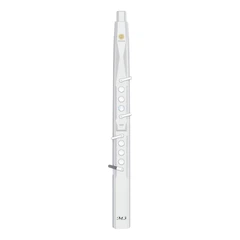
SUNRISE MELODY M1 Electronic Wind Instrument
. Revisit the passion and dreams of youth
. M1 electric clarinet wind instrument -- The good news for beginners
. Rich and diverse timbres
. Powerful functions and easy operation
. Perfect after-sales service


