


Company Profile
Since 2015, shenzhen shengyang musical instruments technology co., ltd. From china has been a professional manufacturer of digital musical instruments for over more than 10 years.Has more than 60,000 square meters of working shops,our overseas sales market is in shenzhen.The electronic piano, electronic wind instrument, silicone electronic drums, and other items are among our primary offerings.
Why Choose Us
Our factory
Since 2015, shenzhen shengyang musical instruments technology co., ltd. From china has been a professional manufacturer of digital musical instruments for over more than 10 years.
Our product
Has more than 60,000 square meters of working shops,our overseas sales market is in shenzhen,the electronic piano, electronic wind instrument, silicone electronic drums, and other items are among our primary offerings.
Production market
Our digital wind instruments and pianos have been tested in a variety of settings and are especially good for classrooms, beginning students, and more experienced players. Around the world, a lot of families and kids are interested in listening to music, but their budgets prevent them from doing so.
Our service
We really seek for seasoned foreign distributors, wholesalers, and other sales partners that are enthusiastic about expanding music's global reach.Whether you're searching for digital wind instruments and pianos that are ready to sell for your market or custom items, we have a large selection of affordable choices. Please contact us to discuss additional information.
Related Product

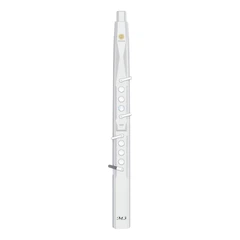
XR3000 Electronic Saxophone EWI Digital Wind Instrument
XR3000 electronic saxophone ewi digital wind instrument octave wheel true roller design five octaves allow you to play songs of any style and melody with ease the true roller of the octave wheel makes the switch more coherent the touch glide makes the performance smoother.

The battery-operated sunrise melody m3 wind instrument makes learning and performing both effortless and enjoyable, regardless of your proficiency level. Boasting 66 built-in sounds to select from, intuitive recorder-like fingering, and a sensitive breath detector that offers an excellent tone instantly, you possess all that is necessary to embark on your musical adventure.

M1 Electric Clarinet Wind Instrument
For beginners, the SUNRISE MELODY M1 electronic wind instrument is an ideal choice. Unlike traditional musical instruments that require long-term basic practice and complex skill accumulation, even if you have no musical foundation at all, you can master the basic playing methods and play wonderful notes in a short time.

XR3000 Electronic Alto Saxophone
XR3000 Electronic Alto Saxophone Built-in 60 kinds of timbres Learning to play a musical instrument is like having a band with real sampled tones, restoring the instrument itself.

XR3000 Digital Flute Instrument
Are you seeking a fun and effortless way to master a new ewi electronic wind instrument? Search no more. Tailored for beginners and amateur musicians, the sunrise melody xr3000 electronic saxophone ewi provides you with an enjoyable musical adventure.
XR3000 Digital Saxophone For Beginners
Are you seeking a fun and effortless way to master a new ewi electronic wind instrument? Search no more. Tailored for beginners and amateur musicians, the sunrise melody xr3000 electronic saxophone ewi provides you with an enjoyable musical adventure.

Electronic Flute Instrument XR3000
Wish to boost your performance or practice more productively? The sunrise melody xr3000 electronic wind instrument saxophone comes with bluetooth connectivity, enabling you to link the instrument to your phone or tablet. Play accompaniments during your performance, or make use of a sheet music scanner for practice sessions.

XR3000 Midi Wind Controller EWI
XR3000 Midi Wind Controller EWI Large-capacity battery Long-lasting battery life for smooth performances Built-in 1600mAh lithium battery Practiceand perform more worry-free.

XR3000 Midi Flute Controller EWI
XR3000 Midi Flute Controller EWI 3.7V 1600mAh, 8 hours of playing time using the rechargeable lithium-ion battery , silicone material, A silica-gel responsive mouthpiece with air-pressure and bite sensors to control volume and pitch dynamics precisely.
What is Digital Saxophone?
The digital saxophone was designed to be a saxophone that would allow anyone to experience the joy of performing, anytime, anywhere. The groundbreaking new wind instrument retains the full expressiveness of the saxophone, yet unlike an acoustic saxophone, it can be as quiet as you want, making it more convenient and easier to play. Sound can be produced by simply blowing into the mouthpiece, while volume and tone can be carefully modulated using the intensity of the breath, resulting in a wind instrument that can cater to the expressive needs of both beginners and experienced players alike.
Advantages of Digital Saxophone
Versatility
Digital saxophones empower beginners with a versatile sonic palette, offering a wide range of sounds and effects to explore. Additionally, the ability to practice quietly with headphones allows for uninterrupted musical immersion.
Portability
The portability of digital saxophones provides beginners with the convenience of a lightweight and compact instrument, facilitating ease of transport and practice in various settings.
Maintenance
For beginners, digital saxophones offer the advantage of simplified maintenance, requiring fewer parts to clean and eliminating the need for reed replacement, streamlining the upkeep process.
Interactive learning: Digital saxophones can be connected to interactive learning apps that provide real-time feedback, personalized tutorials, and progress tracking. This not only enhances the learning process but also makes it more engaging for beginners.
Key Features of Digital Saxophone
Play the saxophone anytime, anywhere - even if it's in the living room, or at night
Digital technology enables volume adjustment over a range of 15 steps, allowing one to enjoy playing the saxophone anytime, anywhere - even if it's in the living room, or at night. You can also connect a set of headphones to play in total silence and focus completely on your performance without worrying about others around you, even if you had previously given up playing the saxophone because of its loudness. In addition, you can use the dedicated app to freely adjust the volume, tone, and even fingering.
Experience playing in an innovative, new way - simply blow into the instrument to produce gorgeous saxophone sound
Despite the instrument having a mouthpiece designed the same as that of an acoustic saxophone, you can still produce gorgeous sound by simply blowing into the mouthpiece and playing the keys with correct fingering, without needing to overcome the initial hurdle to performance known as embouchure (mouth shape). Volume and tone can also be adjusted by changing the intensity of your blowing. The uses sampled sounds of yamaha's soprano, alto, tenor, and baritone saxophones, meticulously recorded to produce 56 saxophone voices, including variations, in addition to other sounds such as synthesizers for a total of 73 instrument sounds. Perform music in virtually any genre using your favorite instrument sounds.
Experience authentic saxophone design and resonance
The uses the same key layout, mouthpiece, and thumb rest as an acoustic saxophone to deliver a natural playing experience. It also features a real brass bell and is the same length as a soprano saxophone in order to provide optimal balance. The newly developed integrated bell acoustic system adds authentic, luxurious resonance to give the player the same seamless sense of expressive unity experienced with an acoustic saxophone.
Learning curve: Differences in learning process and skill development
When comparing digital and acoustic saxophones for beginners, it's crucial to acknowledge the differences in the learning curve and skill development associated with each instrument type. These factors shape the overall progress and musical journey of aspiring saxophonists.
Sound and tone: Comparison of sound quality and tone production
When comparing the sound quality and tone production of digital and acoustic saxophones, it's important to delve into the intricate nuances that define each instrument's sonic characteristics. For beginners, this comparison forms a fundamental aspect of their musical journey, influencing not only their sonic preferences but also their expressive capabilities. Let's explore the key factors that contribute to the unique sound qualities of digital and acoustic saxophones:
Digital sound generation through electronic processing and amplification.
Ability to emulate a wide range of tones and effects using built-in technology.
No requirement for external amplification, making them ideal for practice and performance in various settings.
Natural sound production through vibrating reed and resonating metal components.
Rich and organic tonal variations are influenced by the player's embouchure and breath control.
Traditionally associated with classic jazz and live performance settings due to their characteristic acoustics.
Understanding the distinct sonic qualities of digital and acoustic saxophones provides beginners with valuable insights into the tonal complexities of each instrument. It also plays a crucial role in shaping their musical preferences and eventual performance style.
Practice environment: Quiet practice options vs. Traditional practice requirements
When it comes to practising the saxophone, beginners are faced with the decision between utilizing quiet practice options offered by digital instruments or adhering to the traditional practice requirements inherent in acoustic saxophones. Understanding the pros and cons of each approach can greatly influence the learning experience and skill development.
Digital saxophones are equipped with headphone outputs, allowing for silent practice without disturbing others
Integrated metronomes and backing tracks enable focused and interactive practice sessions.
Adjustable volume settings provide flexibility in creating a comfortable practice environment.
Acoustic saxophones require open space and sound isolation to practice without noise disturbances.
Developing breath control and tone projection is essential, which may be influenced by space and acoustic properties.
Playing alongside other musicians helps in honing ensemble skills, crucial for group performances.
Considering the practice environment is crucial for beginners as it directly impacts their ability to concentrate, develop playing techniques, and maintain motivation. By evaluating the features of digital and acoustic saxophones, beginners can make informed decisions that align with their learning preferences and aspirations.
Who Should Consider Digital Saxophones
Beginners who need a quiet practice environment
Digital saxophones often come with headphone jacks, allowing you to practice quietly without disturbing others. This feature is especially useful for those living in shared spaces or apartments.
Tech-savvy learners
If you enjoy integrating technology into your learning, digital saxophones offer connectivity options to various apps and software. These tools can enhance your practice sessions with interactive tutorials and immediate feedback.
Versatility and portability seekers
Digital saxophones are lightweight and easy to transport, making them ideal for musicians on the go. Their built-in sound libraries and effects also allow you to explore different genres and styles without needing additional equipment.
Who might prefer acoustic saxophones
Traditional playing technique enthusiasts
If your primary focus is on mastering traditional saxophone techniques, an acoustic saxophone might provide a more authentic learning experience. The tactile feedback and resistance of blowing into a reed are crucial for developing embouchure and breath control.
Aspiring orchestral or jazz band performers
Those interested in participating in orchestras, jazz bands, or other ensembles might benefit from starting with an acoustic saxophone, as it aligns more closely with the instruments used in these settings.
Hybrid approach
Balancing learning and practice benefits
Consider using both digital and acoustic saxophones to leverage the advantages of each. For example, you could use a digital saxophone for quiet practice sessions and exploring different sounds, while also practicing on an acoustic saxophone to develop traditional techniques.
How to Maintain Digital Saxophone

First take care of the mouthpiece and neck
Remove the reed and use a cleaning swab (s) to remove dirt from the mouthpiece. Be careful not to damage the tip of the mouthpiece when cleaning. Next, remove the moisture from the inside of the neck using a cleaning swab (s).
Completely remove the moisture from the pads
If the pads are damp, use a cleaning paper to remove the moisture completely from the pad and the tone hole opening.
The keys need to be removed in order to clean the tone holes. We do not recommend disassembling your instrument on your own. Instead, take it in to a music shop for maintenance.
Put a piece of cleaning paper between the pad and the tone hole and lightly press the key several times. Change the position of the paper and repeat this process two or three times.
*Do not pull the paper out while depressing the key.
*If the pad is sticky, use powder paper.
Clean the inside of the tube with a cleaning swab
Insert a saxophone cleaning swab into the bell and pull it through the neck joint to clean.
Remove dirt from the surface with a polishing cloth
Use a polishing cloth to remove finger prints and dirt from the surface of the instrument.
Carefully clean the octave key
The tone hole of the octave key is small and easily clogged, so clean it with a tone hole cleaner. Be careful not to damage the tone hole with the metal tip of the tone hole cleaner.
Precautions of Digital Saxophone
To avoid the possibility of malfunction/ damage to the product, damage to data, or damage to other property, follow the notices below.
Do not connect this product to public wi-fi and/or internet directly. Only connect this product to the internet through a router with strong password-protections. Consult your router manufacturer for information on security best practices.
Do not use the instrument in the vicinity of a tv, radio, stereo equipment, mobile phone, or other electric devices. Otherwise, the instrument, tv, or radio may generate noise. When you use the instrument along with an application on your smart device such as a smartphone or tablet, we recommend that you set bluetooth to on after setting "airplane mode" to on on that device in order to avoid noise caused by communication.
Do not expose the instrument to excessive dust or vibrations, or extreme cold or heat (such as in direct sunlight, near a heater, or in a car during the day) to prevent the possibility of panel disfiguration, damage to the internal components or unstable operation. (verified operating temperature range: 5° – 40°c, or 41° – 104°f.)
Do not place vinyl, plastic or rubber objects on the instrument, since this might discolor the panel or key-board.
Do not leave the instrument for a long period of time with a key pressed, since this might damage the key.
Maintenance
When cleaning the instrument, use a soft cloth. Do not use paint thinners, solvents, alcohol, cleaning fluids, or chemical-impregnated wiping cloths.
Be careful not to expose the instrument to water. If any water gets on the instrument, wipe it off using a dry cloth.
FAQ
Hot Tags: xr3000 digital saxophone for beginners, Chinese xr3000 digital saxophone for beginners manufacturers, suppliers, factory, electronic flute instrument, electric blowpipe, ewi midi controller, ewi controller, wind synthesizer instrument, ewi wind instrument


